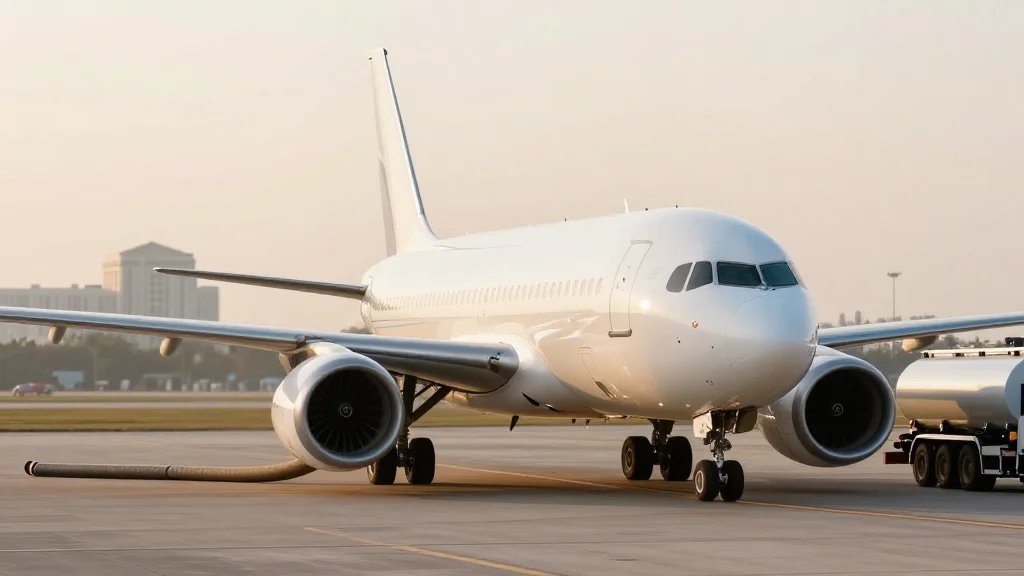
US Transport Minister Dismisses Need for Bailout of Budget Airlines
Companies Mentioned
Why It Matters
The decision will shape the competitive landscape of U.S. aviation, influencing fare stability for price‑sensitive travelers and the federal budget’s exposure to airline subsidies.
Key Takeaways
- •Budget carriers request $2.5 bn liquidity pool for fuel costs.
- •Duffy views private market financing as preferable to a bailout.
- •Airlines for America opposes aid, citing unfair competition.
- •Proposed tax waivers could cut one‑third of fuel cost increase.
- •Jet fuel price surge doubles costs, threatening low‑cost airline margins.
Pulse Analysis
The sharp rise in jet fuel prices—driven by the U.S.-Israeli conflict with Iran—has effectively doubled operating costs for low‑cost carriers that rely on thin margins. These airlines argue that the unexpected fuel shock threatens their ability to keep fares affordable, prompting the Association of Value Airlines to seek a $2.5 bn liquidity pool and temporary tax relief. Their proposal includes suspending the 7.5% federal excise tax and the $5.30 per‑segment fee, measures that could offset roughly one‑third of the added fuel expense.
Transportation Secretary Sean Duffy’s refusal to endorse a direct bailout reflects a broader policy preference for market discipline. By positioning the government as a lender of last resort, Duffy signals that private capital should bear the financing burden, a stance echoed by major carriers under Airlines for America. Those incumbents warn that rescuing budget airlines would create an uneven playing field, rewarding firms that have not taken internal cost‑cutting steps and potentially crowding out private investment in the sector.
The outcome carries significant implications for the U.S. airline industry and consumers. A bailout could set a precedent for future government interventions during commodity shocks, while tax waivers might provide short‑term relief without direct fiscal outlays. Conversely, denying aid could force weaker carriers to consolidate or exit, reducing competition and possibly driving up fares. Stakeholders will watch closely as Congress weighs the fiscal impact against the goal of preserving a diverse, price‑competitive airline market.
US transport minister dismisses need for bailout of budget airlines
Comments
Want to join the conversation?
Loading comments...