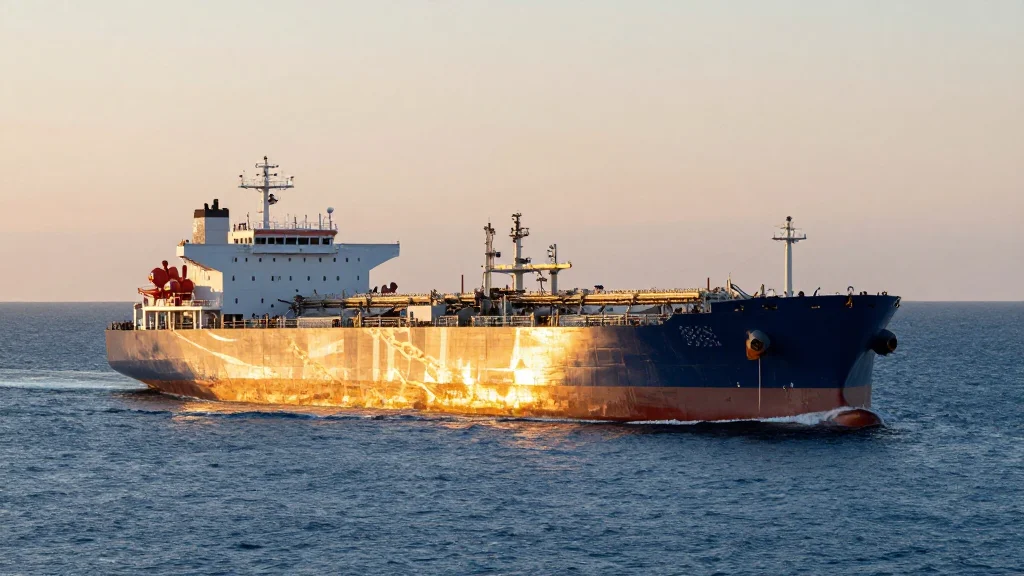
U.S. Treasury Takes Aim at Iran's Shamkhani Shipping Network
Why It Matters
By tightening financial pressure on Iran’s clandestine oil logistics, the U.S. aims to choke a major revenue stream for the IRGC and its regional proxies, while signaling heightened scrutiny of UAE entities that enable sanction evasion.
Key Takeaways
- •Treasury blacklisted nine Shamkhani vessels and over a dozen related entities
- •Sanctions target UAE‑based front companies facilitating Iran’s shadow‑fleet operations
- •Iran’s state oil firm plans to internalize oil sales, reducing IRGC reliance
- •Oil‑for‑gold scheme linked to Venezuela helped fund Hezbollah activities
Pulse Analysis
The Treasury’s latest sanctions underscore a renewed U.S. strategy to dismantle Iran’s shadow‑fleet, a network of vessels that obscure the provenance of crude exported by the Islamic Revolutionary Guard Corps. By naming specific ships—Aura, Horae, Versa, among others—and the corporate shells that own them, Washington is attempting to cut off the financial lifelines that allow Iran to bypass traditional banking channels. The focus on UAE‑registered entities reflects the emirate’s reputation as a hub for lightly regulated trade, where front companies can mask true ownership and facilitate illicit shipments.
Iran’s response appears to be a strategic pivot toward greater state control. The National Iranian Oil Company’s announcement that it will reclaim exclusive authority over oil sales signals an effort to insulate revenue streams from external disruption. By internalizing the trade, Tehran hopes to reduce the IRGC’s exposure to sanction risk and streamline logistics under a single, more defensible banner. This shift could also streamline compliance for foreign buyers wary of secondary sanctions, potentially reshaping the market dynamics for Iranian crude.
Beyond oil, the sanctions expose a broader web of illicit finance linking Iran, Venezuela and Hezbollah. The oil‑for‑gold scheme, which swapped Iranian petroleum for Venezuelan gold before reselling it abroad, provided critical funding for the Lebanese militia. Targeting facilitators like ACS Trading and Lotus Universal sends a clear message that the U.S. will pursue not only the primary actors but also the ancillary networks that sustain them. As the U.S. tightens its “maximum pressure” campaign, regional actors will need to reassess risk, compliance, and the viability of alternative financing channels.
U.S. Treasury Takes Aim at Iran's Shamkhani Shipping Network
Comments
Want to join the conversation?
Loading comments...