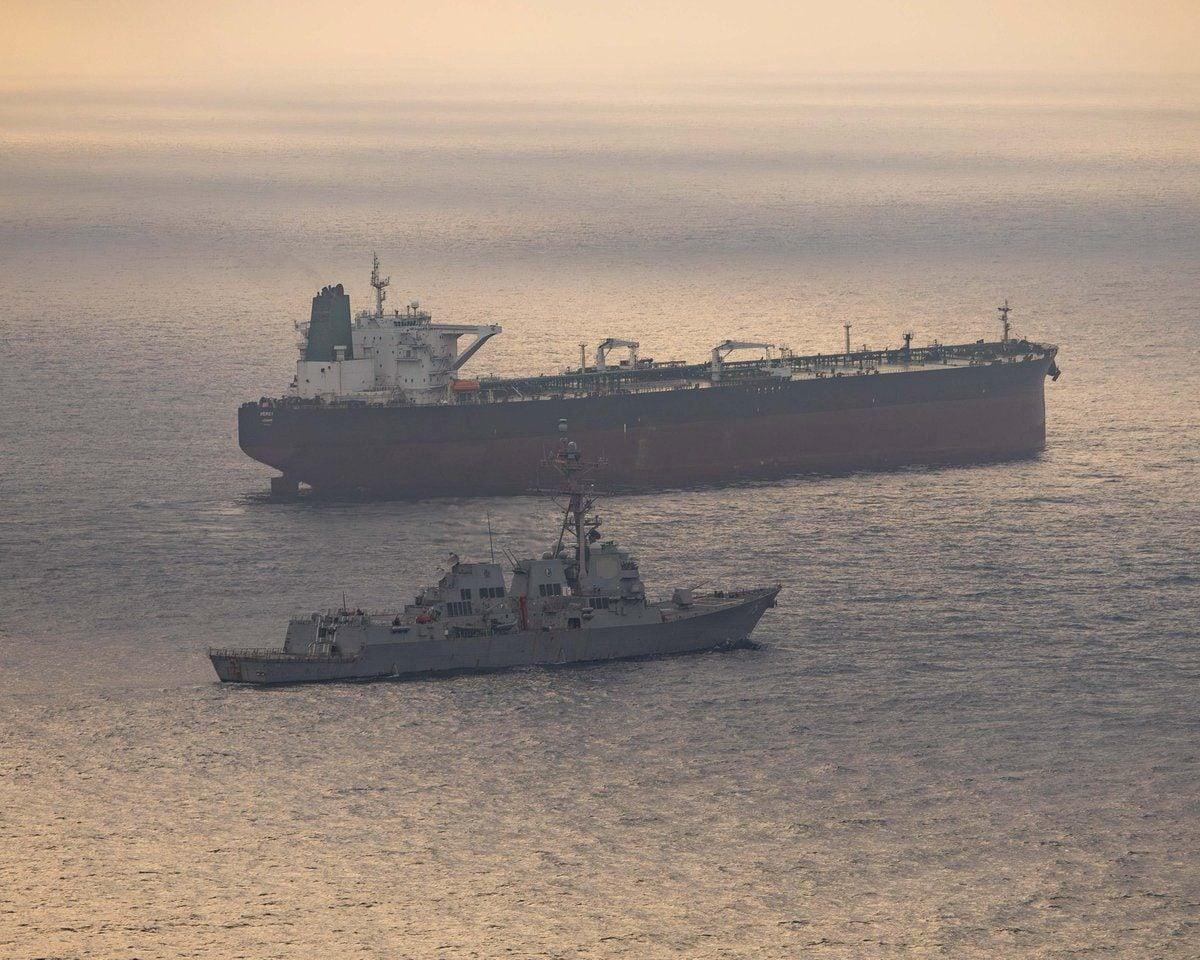
U.S. Warns Ships Ignoring Orders in Hormuz May Be Treated as Threats
Why It Matters
The directives raise operational risk and cost for global shipping, potentially reshaping trade routes through one of the world’s most critical chokepoints.
Key Takeaways
- •U.S. may treat non‑compliant vessels as imminent threats
- •Blockade enforcement includes disabling fire against ships ignoring orders
- •Mariners must coordinate with NCAGS and keep 30‑nm distance
- •Hormuz traffic separation scheme avoidance reduces misidentification risk
Pulse Analysis
The Strait of Hormuz remains a strategic artery for roughly a fifth of global oil shipments, and its proximity to Iranian waters makes it a flashpoint for naval posturing. Recent U.S. advisories signal a hardening stance, with the Joint Maritime Information Center explicitly linking non‑compliance to self‑defense actions under international law. By extending operations north of Oman’s Musandam Peninsula, the U.S. Navy is effectively widening the zone of heightened vigilance, reinforcing its blockade of Iranian ports and signaling to Tehran that any attempt to assert control will meet a calibrated response.
For commercial operators, the practical implications are immediate. Vessels must now file transit plans through the Naval Cooperation and Guidance for Shipping (NCAGS) system, maintain continuous monitoring on VHF Channel 16, and preserve a minimum 30‑nautical‑mile buffer from U.S. warships. Insurance underwriters are likely to adjust premiums for Hormuz transits, reflecting the elevated risk of encounter or inadvertent targeting. Shipping lines may consider rerouting around the Arabian Sea or the Cape of Good Hope, despite longer voyage times and higher fuel costs, to mitigate exposure to potential disabling fire or other defensive measures.
Geopolitically, the advisories underscore the fragile balance between deterrence and escalation. While the United States frames its actions as lawful self‑defense, Iran could interpret the expanded blockade and threat language as provocation, potentially prompting asymmetric responses such as increased mine‑laying or asymmetric naval attacks. Diplomatic channels remain active, but the heightened threat level may constrain negotiations, as commercial stakeholders push for clearer safety guarantees. In the coming weeks, monitoring the interaction between naval directives, commercial compliance, and diplomatic overtures will be essential for assessing whether the Hormuz corridor can remain a reliable conduit for global trade.
U.S. Warns Ships Ignoring Orders in Hormuz May Be Treated as Threats
Comments
Want to join the conversation?
Loading comments...