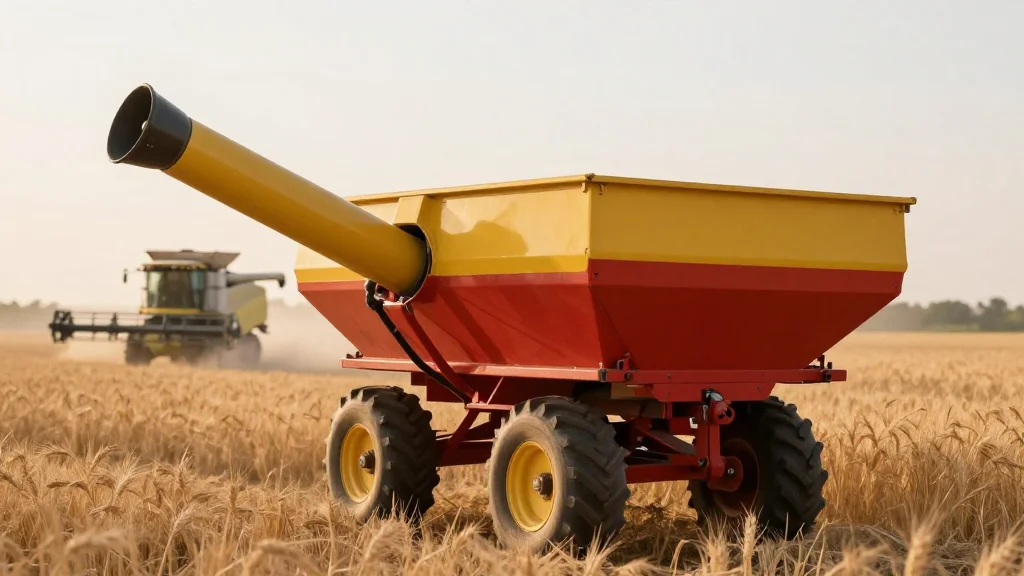
Used Grain Carts and the Harvest Logistics Driving Farm Efficiency
Why It Matters
The right used grain cart can boost harvest throughput while preserving working capital, directly impacting farm profitability and soil health. As harvest windows shrink, efficient logistics become a competitive advantage.
Key Takeaways
- •Grain carts keep combines harvesting by providing mobile grain buffer.
- •Used carts lower capital outlay while adding harvest capacity.
- •Matching cart capacity to tractor and field prevents compaction and delays.
- •Inspect auger, gearbox, tires, and hydraulic systems before purchase.
- •Integrated agritech data improves logistics, fuel use, and yield tracking.
Pulse Analysis
Modern grain harvests are no longer judged solely by combine horsepower; the flow of grain across the field has become a decisive factor in overall productivity. Grain carts act as mobile buffers, allowing combines to unload without stopping, which can shave minutes off a tight harvest window and translate into thousands of dollars saved on fuel and labor. The used‑equipment market supplies a range of models at a fraction of new‑price, giving midsize and diversified farms the flexibility to add capacity without tying up capital. Selecting the right cart requires a systems‑thinking approach.
Capacity must align with the combine’s output, the tractor’s pulling power, and the field’s traffic pattern to avoid excessive passes that increase compaction. Operators should verify auger wear, gearbox health, tire or track condition, and hydraulic reliability before signing a deal. Today’s agritech platforms can feed cart telemetry into farm management software, offering real‑time insights on load weight, fuel consumption, and route efficiency, which sharpens decision‑making and supports precision agriculture goals.
Beyond performance, the cart’s impact on soil health and long‑term field productivity cannot be ignored. Controlled‑traffic strategies, combined with appropriate tire pressure or tracked undercarriages, mitigate compaction on wet soils and preserve water infiltration for the next planting season. Proactive maintenance—regularly greasing bearings, checking scale systems, and updating service logs—prevents unexpected breakdowns during the critical harvest period. As farms continue to adopt connected equipment, a well‑maintained, properly sized used grain cart will remain a cornerstone of efficient, sustainable harvest logistics.
Used Grain Carts and the Harvest Logistics Driving Farm Efficiency
Comments
Want to join the conversation?
Loading comments...