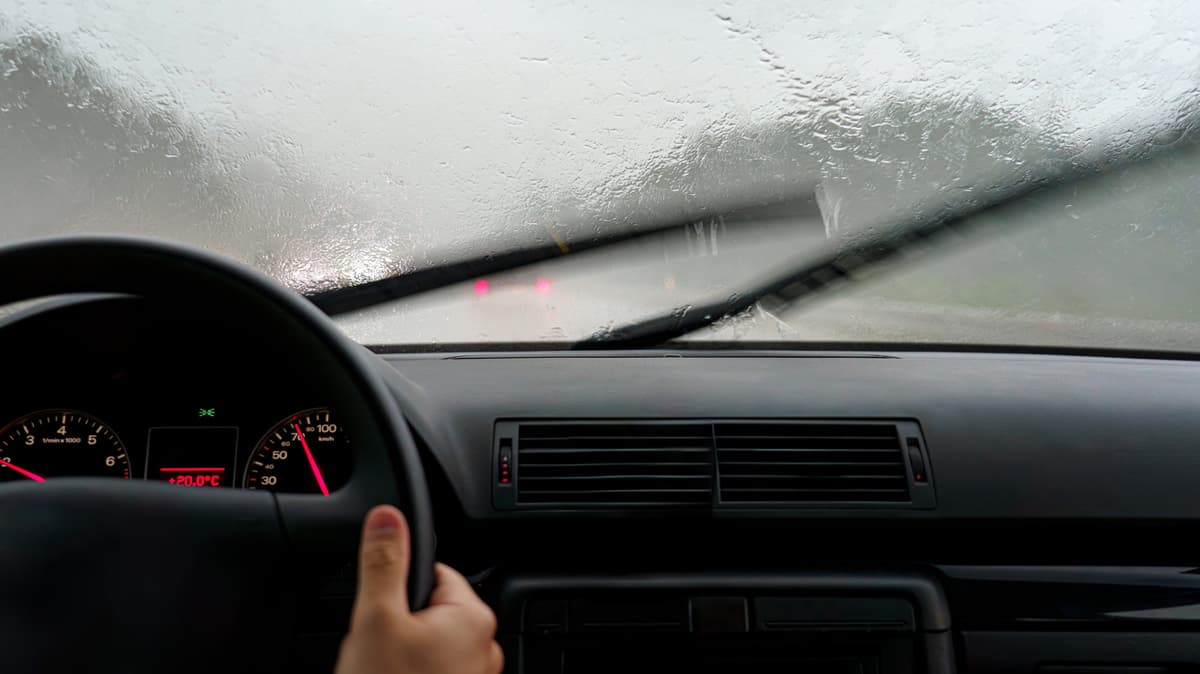
Using Wipers Without Headlights In Bad Weather Is Illegal In These US States
•March 9, 2026
0
Why It Matters
Compliance avoids fines and improves road safety in low‑visibility conditions, while uniform expectations reduce driver confusion across state lines.
Key Takeaways
- •23 states tie wipers to mandatory headlights.
- •New York requires low beams, not DRLs.
- •Colorado exempts rain; New Mexico limits to low visibility.
- •Inconsistent laws can confuse interstate drivers.
- •Proper lighting reduces accidents in inclement weather.
Pulse Analysis
Across the United States, headlight laws diverge sharply when it comes to the interplay between windshield wipers and vehicle lighting. Twenty‑three states—ranging from California to Virginia—explicitly mandate that drivers activate low‑beam headlights whenever the wipers are in use during rain, sleet or snow. The statutes aim to counteract the reduced sight distance that precipitation creates, ensuring that vehicles remain visible to others. While New York goes a step further by rejecting daytime running lights in favor of full low beams, states such as Colorado and New Mexico adopt a more limited approach, leaving the requirement to broader “insufficient light” conditions.
For commercial fleets and rideshare operators, these fragmented visibility requirements translate into tangible compliance costs. Drivers must be trained to recognize state‑specific triggers, and telematics platforms often need to flag headlight activation during adverse weather to avoid citations. Insurers also factor headlight misuse into risk assessments, with higher premiums observed in jurisdictions that enforce strict wiper‑headlight coupling. Meanwhile, automakers are responding by integrating adaptive lighting systems that automatically switch to low beams when rain sensors detect moisture, a feature that can simplify adherence to the patchwork of state statutes.
Legislators and safety advocates argue that a unified federal standard could eliminate confusion and improve overall road safety. Proposals include mandating automatic headlamp activation whenever windshield‑wiper motors engage, a measure already common in many European markets. Until such harmonization occurs, driver education campaigns remain essential, especially for out‑of‑state travelers who may be unaware of local mandates. By consistently illuminating vehicles in low‑visibility conditions, drivers not only avoid fines but also contribute to a measurable reduction in weather‑related collisions, reinforcing the public‑policy goal of safer highways.
Using Wipers Without Headlights In Bad Weather Is Illegal In These US States
0
Comments
Want to join the conversation?
Loading comments...