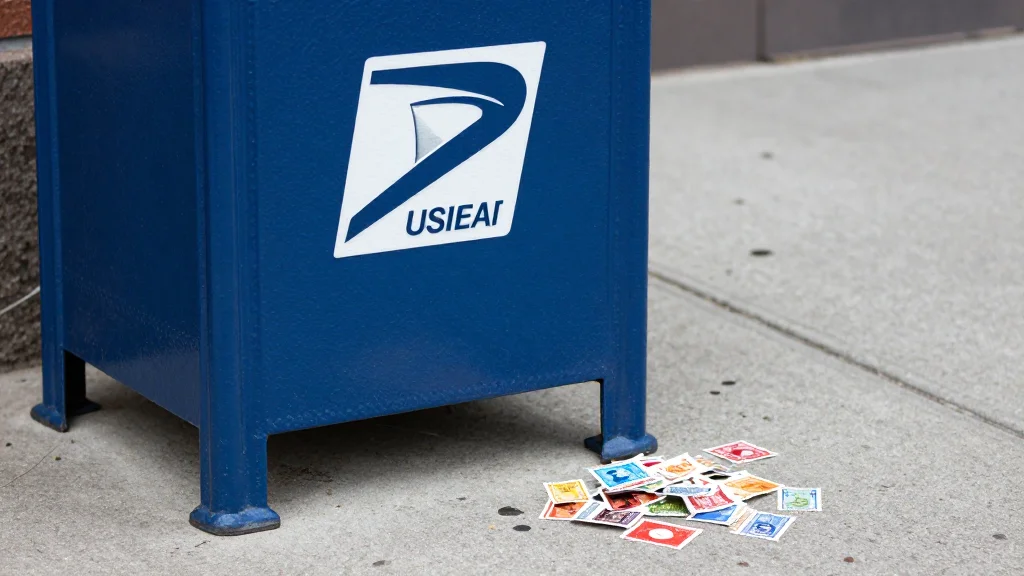
USPS Proposes 4-Cent Stamp Increase to 82 Cents
Companies Mentioned
Why It Matters
The stamp and package‑price hikes are essential revenue tools as USPS battles a deepening cash shortfall, while the pension waiver provides a rare infusion of fiscal flexibility. Together, they signal the service’s aggressive strategy to stave off a potential liquidity crisis.
Key Takeaways
- •USPS proposes raising first‑class stamp to 82 cents.
- •4.8% increase requires Postal Regulatory Commission approval.
- •Eighth stamp hike since 2021, 34% total rise.
- •Package rates to jump 8% later this month.
- •PRC waiver could free $15 billion through 2030.
Pulse Analysis
The Postal Service’s financial distress has intensified as mail volumes continue to erode and operating expenses climb, driven by fuel price volatility and legacy pension obligations. Analysts note that the agency’s revenue mix has shifted dramatically toward parcel delivery, yet the cost structure remains anchored in an aging infrastructure. In this environment, incremental price adjustments on core products like first‑class stamps become a pragmatic lever to generate steady cash flow without relying solely on volatile package volumes.
A four‑cent increase to 82 cents represents a modest 4.8% rise but marks the eighth adjustment since 2021, cumulatively lifting stamp prices by about a third. While the hike may seem small to consumers, the added revenue—estimated in the low tens of millions annually—helps offset the 8% package‑shipping surcharge slated for later this month. The dual‑price strategy reflects USPS’s attempt to balance affordability for everyday mail with the higher margins needed for parcel services, a balance that will be scrutinized by the Postal Regulatory Commission and consumer advocacy groups alike.
The recent PRC decision to waive certain pension‑funding requirements could unlock roughly $15 billion through 2030, offering a significant cushion for the agency’s cash‑flow challenges. This infusion allows USPS to redirect funds previously earmarked for retiree benefits toward operational upgrades, technology investments, and contingency reserves. Industry observers view the waiver as a temporary reprieve rather than a long‑term fix, emphasizing the need for structural reforms in pricing, service models, and labor costs to ensure sustainable profitability. The combined effect of the stamp hike, package‑rate increase, and pension waiver will shape USPS’s trajectory as it navigates an increasingly competitive logistics landscape.
USPS Proposes 4-Cent Stamp Increase to 82 Cents
Comments
Want to join the conversation?
Loading comments...