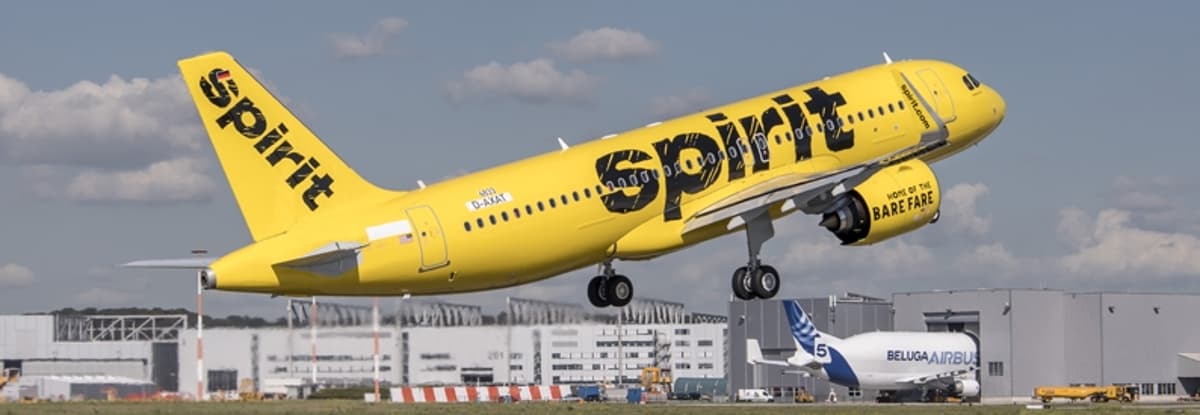
US's Spirit Airlines Suspends Operations
Companies Mentioned
Why It Matters
Spirit’s collapse removes a major low‑cost carrier from the U.S. market, reshaping competition and highlighting the vulnerability of airlines to fuel price volatility. The shutdown also underscores the limits of government bailouts and the challenges of restructuring heavily leased fleets.
Key Takeaways
- •Spirit ceases all flights, initiating orderly wind‑down.
- •U.S. aid of $500 million stalled, leaving no liquidity.
- •Fuel price surge proved fatal despite recent bond restructuring.
- •91 of 148 aircraft leased, limiting asset‑based financing options.
Pulse Analysis
Spirit Airlines, once a pioneer of ultra‑low‑fare travel, has entered an orderly wind‑down, ending all scheduled flights across its network. The airline’s financial distress accelerated after a sudden spike in jet fuel prices, eroding margins that were already thin from years of aggressive pricing. Although Spirit had secured a bondholder restructuring plan and was negotiating a $500 million federal aid package, the combination of higher operating costs and insufficient cash reserves forced the carrier into liquidation under Chapter 11. This outcome illustrates how even established low‑cost carriers can be undone by external cost shocks when liquidity buffers are inadequate.
The stalled government assistance highlights the complexities of public‑private rescue efforts in the aviation sector. While the U.S. Treasury was prepared to disburse up to $500 million, negotiations faltered, leaving Spirit without the critical funding needed to bridge its cash‑flow gap. The airline’s heavily leased fleet—91 of 148 aircraft—further constrained its ability to leverage assets for emergency financing. Employees, particularly flight attendants, face uncertain futures as the union coordinates repatriation and severance, while passengers must await court‑determined compensation, underscoring the human toll of airline failures.
Industry analysts see Spirit’s demise as a warning sign for other low‑cost carriers operating on razor‑thin margins. The event may prompt regulators to reassess the adequacy of financial resilience requirements, especially regarding fuel price hedging and asset ownership. Competitors may seize market share on routes previously dominated by Spirit, potentially driving short‑term fare increases. However, the vacuum also creates opportunities for emerging carriers to fill the low‑fare niche, provided they adopt more robust capital structures and diversify revenue streams to withstand future price volatility.
US's Spirit Airlines suspends operations
Comments
Want to join the conversation?
Loading comments...