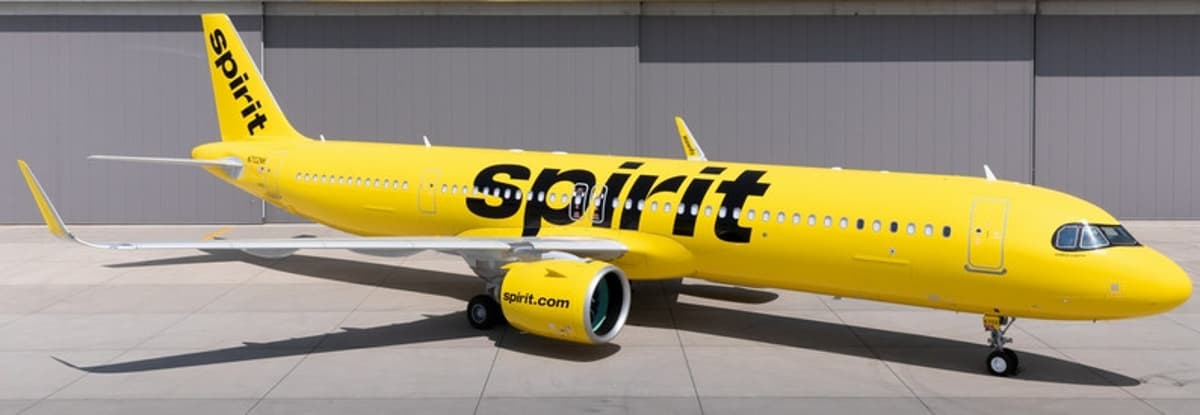
US’s Spirit Airlines to Start Orderly Wind-Down, Sell Assets
Companies Mentioned
Why It Matters
The wind‑down signals the collapse of a major U.S. low‑cost carrier, reshaping competitive dynamics and exposing the vulnerability of airlines to fuel price volatility. Creditors and employees face significant losses, while asset buyers may acquire valuable fleet components at steep discounts.
Key Takeaways
- •Spirit incurred $100 million extra fuel costs in two months
- •Bankruptcy motion seeks emergency court approval to wind down operations
- •Asset sale includes 57 aircraft, spare parts, and $1 million of non‑fleet assets
- •Workforce will shrink from 150 to 40 employees during wind‑down
Pulse Analysis
Spirit Airlines' abrupt cessation of operations underscores how sharply rising fuel prices can destabilize even established low‑cost carriers. The airline, which entered Chapter 11 for the second time in August 2025, saw its fuel expense jump by roughly $100 million between March and April 2026, eroding cash reserves that already strained under pandemic‑era debt. Efforts to secure a government rescue fell short, prompting the company to petition the bankruptcy court for an emergency wind‑down order. This scenario highlights the broader risk profile for airlines heavily dependent on thin margins and volatile commodity costs.
The impending asset liquidation presents a rare opportunity for aircraft lessors, leasing firms, and regional carriers to acquire Spirit's fleet of 30 A320‑200s and 27 A321‑200s at potentially deep discounts. Alongside the aircraft, the sale includes spare engines, parts, and a modest $1 million pool of non‑fleet assets. Such acquisitions can accelerate fleet modernization for buyers, but they also raise questions about the disposition of existing lease agreements and the impact on creditors who may recover only a fraction of their exposure. Employees face a steep reduction, from 150 retained staff to just 40, reflecting the human cost of the wind‑down.
Industry observers note that Spirit's collapse could accelerate consolidation among U.S. carriers, as larger airlines may absorb market share left vacant on routes previously served by the ultra‑low‑cost model. Regulators will monitor the asset sale to ensure compliance with safety standards and antitrust considerations. Meanwhile, the episode serves as a cautionary tale for airlines to hedge fuel risk and diversify revenue streams, reinforcing the importance of robust liquidity planning in an environment where geopolitical shocks can swiftly translate into existential threats.
US’s Spirit Airlines to start orderly wind-down, sell assets
Comments
Want to join the conversation?
Loading comments...