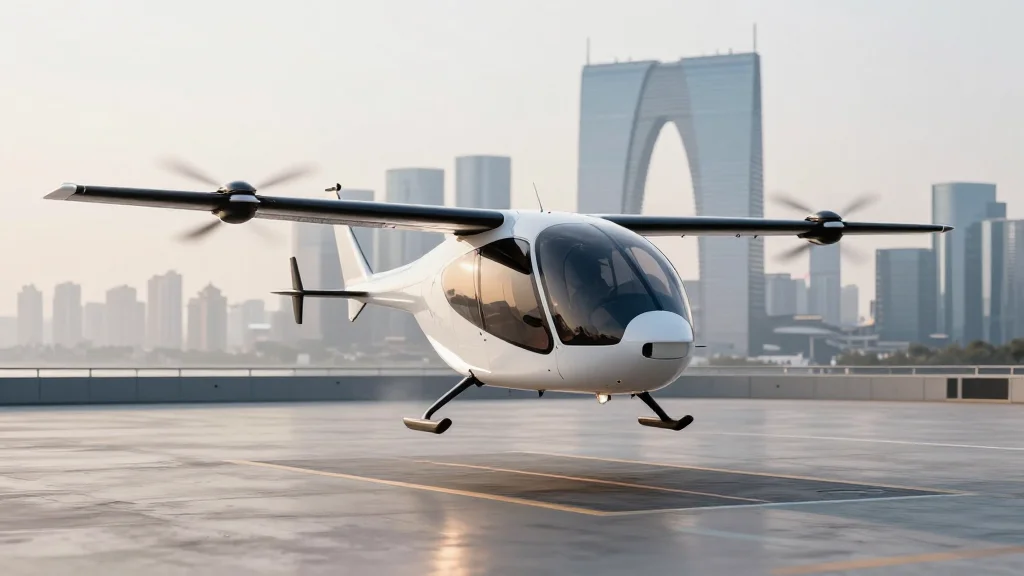
Valour Consultancy Report Forecasts 6,824 eVTOL Air Taxis by 2050
Companies Mentioned
Why It Matters
The forecast reshapes investor expectations and underscores the need for targeted infrastructure and policy support, especially in China, while tempering hype‑driven valuations in the broader eVTOL sector.
Key Takeaways
- •6,824 passenger eVTOLs projected globally by 2050
- •China to dominate fleet and vertiport development
- •Total AAM fleet exceeds 19,500 aircraft including RAM and cargo
- •High landing fees and battery costs hinder Uber‑style pricing
- •Regional air mobility offers lower infrastructure investment
Pulse Analysis
The eVTOL market has been a magnet for venture capital, yet Valour Consultancy’s latest study injects a dose of realism. By 2050, the firm expects just under 7,000 passenger air taxis, a figure that pales in comparison to earlier projections that imagined tens of thousands of vehicles. The disparity stems largely from geographic concentration: China’s centralized approach, generous subsidies, and rapid vertiport construction place it years ahead of the United States and Europe, where regulatory hurdles and fragmented city planning slow deployment.
Cost dynamics further temper optimism. Landing fees, frequent battery replacements, high insurance premiums, and pilot salaries inflate the cost per available seat mile, making the Uber‑Black‑style low‑price model unlikely without substantial subsidies or technological breakthroughs. These economic pressures suggest that early‑stage eVTOL operators will need to target affluent, high‑density corridors rather than mass‑market commuters, at least until economies of scale and battery durability improve.
Beyond passenger taxis, the report highlights more immediate growth avenues. Regional air mobility—leveraging hybrid‑electric aircraft that can use existing small airports—requires far less new infrastructure, offering a pragmatic path for operators. Cargo drones, exemplified by AutoFlight’s CarryAll, are already finding niche roles in offshore resupply and remote‑area logistics. Together, these segments broaden the AAM ecosystem, positioning eVTOLs as complementary to helicopters and light jets rather than outright replacements. Stakeholders should therefore recalibrate strategies, focusing on diversified use‑cases and markets where regulatory and cost barriers are lower.
Valour Consultancy report forecasts 6,824 eVTOL air taxis by 2050
Comments
Want to join the conversation?
Loading comments...