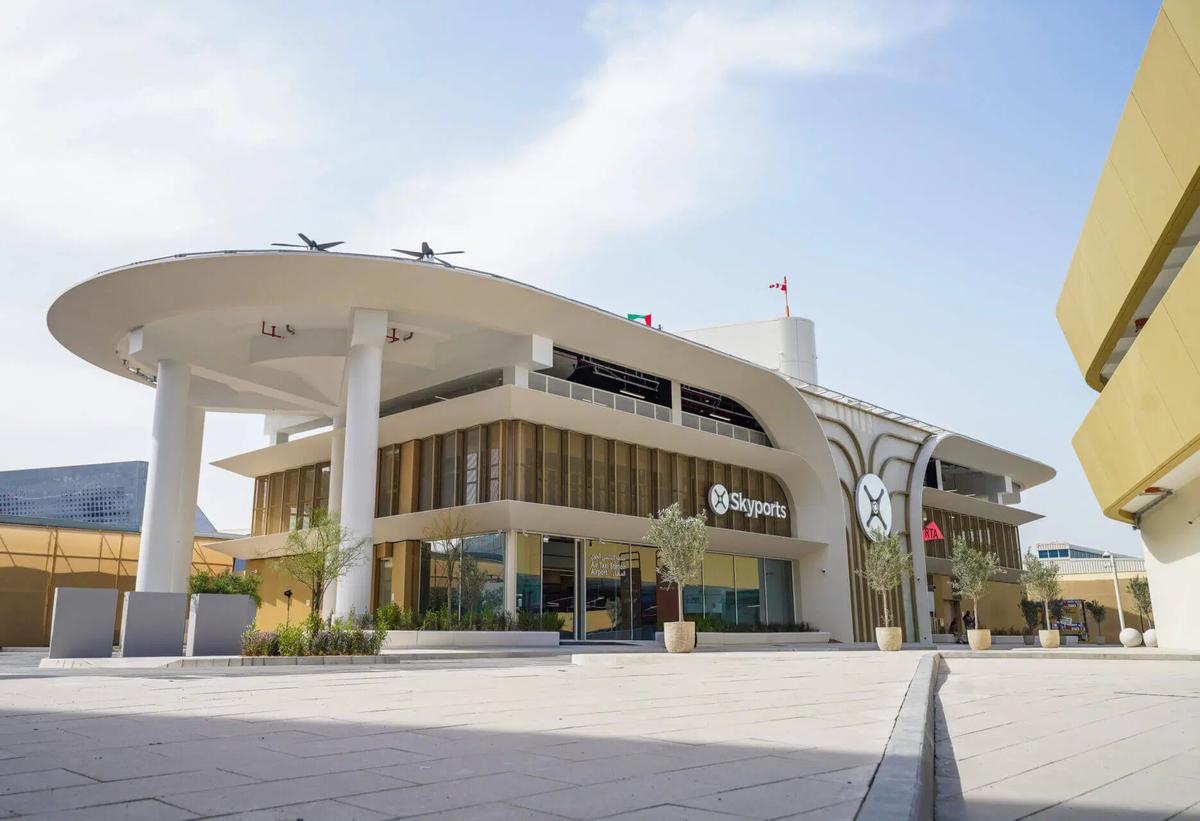
Vertiport Serving Dubai International Airport Reaches Technical Completion
Why It Matters
The vertiport marks a concrete step toward Dubai’s vision of an integrated urban air mobility ecosystem, positioning the city as a global leader in eVTOL infrastructure and potentially reshaping short‑haul travel for residents and tourists.
Key Takeaways
- •First of four Dubai vertiports reaches technical completion
- •Facility spans 3,100 sqm, four floors, two eVTOL pads
- •Capacity up to 170,000 passengers and 42,000 aircraft movements annually
- •Joby Aviation to provide app‑based booking and automated check‑in
- •Additional vertiports planned at Dubai Marina, Mall, Palm Jumeirah
Pulse Analysis
Dubai’s rapid rollout of a purpose‑built vertiport underscores the emirate’s aggressive push into urban air mobility (UAM). By delivering a four‑floor, 3,100‑square‑metre hub capable of handling 170,000 passengers annually, the city demonstrates that the infrastructure challenges of eVTOL operations—such as rapid charging, passenger flow and multi‑modal integration—can be solved at scale. The partnership with Skyports and the involvement of Joby Aviation for booking and check‑in automation signal a coordinated effort between infrastructure providers and aircraft manufacturers, accelerating the path to commercial service.
The vertiport’s hybrid regulatory framework, allowing both eVTOLs and helicopters, reflects Dubai’s pragmatic approach to safety and certification. As the central node of a planned four‑site network—including locations at Dubai Marina, Dubai Mall and Palm Jumeirah—the hub will enable point‑to‑point trips that cut travel times dramatically compared with ground traffic. This could reshape commuter patterns, especially for business travelers moving between key commercial districts and tourist hotspots, and may spur ancillary services such as on‑demand logistics and emergency medical transport.
Globally, the UAM market is projected to exceed $30 billion by 2035, with investors eyeing cities that can provide early‑stage infrastructure. Dubai’s vertiport positions the emirate to capture a share of that growth, attracting further foreign investment and reinforcing its reputation as a testbed for futuristic mobility. The success of this project will likely influence regulatory standards worldwide, as other jurisdictions look to replicate Dubai’s blend of government backing, private‑sector expertise, and ambitious timelines.
Vertiport Serving Dubai International Airport Reaches Technical Completion
Comments
Want to join the conversation?
Loading comments...