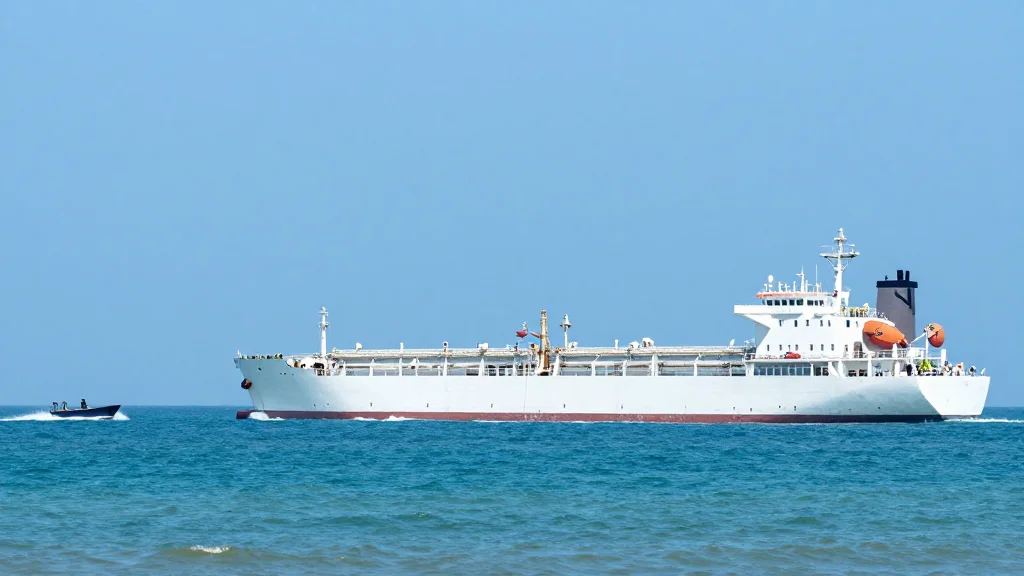
Vessel Attacks Continue in the Mideast Gulf
Why It Matters
The spate of attacks threatens the safety of critical oil and trade routes, potentially disrupting global supply chains and raising insurance costs for shippers.
Key Takeaways
- •UKMTO logged three vessel attacks in Gulf on 3 May.
- •Tanker hit 78 nm north of Fujairah; crew unharmed.
- •Bulk carrier attacked near Sirik, Iran; no damage reported.
- •Suspicious VHF orders forced vessels to relocate near Ras Al Khaimah.
- •41 incidents reported since Feb 28, including 23 attacks and 2 hijacks.
Pulse Analysis
The Middle East Gulf has become a flashpoint for maritime security since the escalation of the US‑Israel conflict with Iran in late February. While the region already hosts a dense concentration of oil tankers and bulk carriers, the recent wave of projectile strikes and small‑craft assaults underscores a shift from isolated incidents to a pattern of coordinated aggression. Analysts link these actions to Iran’s broader strategy of pressuring shipping lanes that funnel a significant share of global energy supplies, turning the Gulf into a high‑risk corridor for commercial navigation.
UKMTO’s three reports on 3 May illustrate the evolving threat landscape. The tanker struck north of Fujairah, the bulk carrier attacked near Sirik, and the VHF‑driven relocations near Ras Al Khaimah each demonstrate different tactics—projectile fire, swarm‑style small‑craft attacks, and psychological pressure via communications. Although no crew injuries or environmental damage were recorded, the incidents compel ship operators to adopt heightened vigilance, reroute vessels, and engage security escorts, driving up operational costs. Insurers are also recalibrating premiums, reflecting the heightened probability of loss in a region where 41 incidents have already been logged.
For global trade, the implications are profound. Persistent disruptions could choke the flow of crude oil and dry bulk commodities, prompting shippers to consider alternative routes such as the Cape of Good Hope, albeit at higher fuel and time expenses. Moreover, the uncertainty fuels geopolitical tension, prompting diplomatic efforts to de‑escalate while nations reassess naval deployments. In the near term, the shipping industry must balance risk mitigation with cost efficiency, while policymakers grapple with the broader security calculus that could reshape maritime trade dynamics for years to come.
Vessel attacks continue in the Mideast Gulf
Comments
Want to join the conversation?
Loading comments...