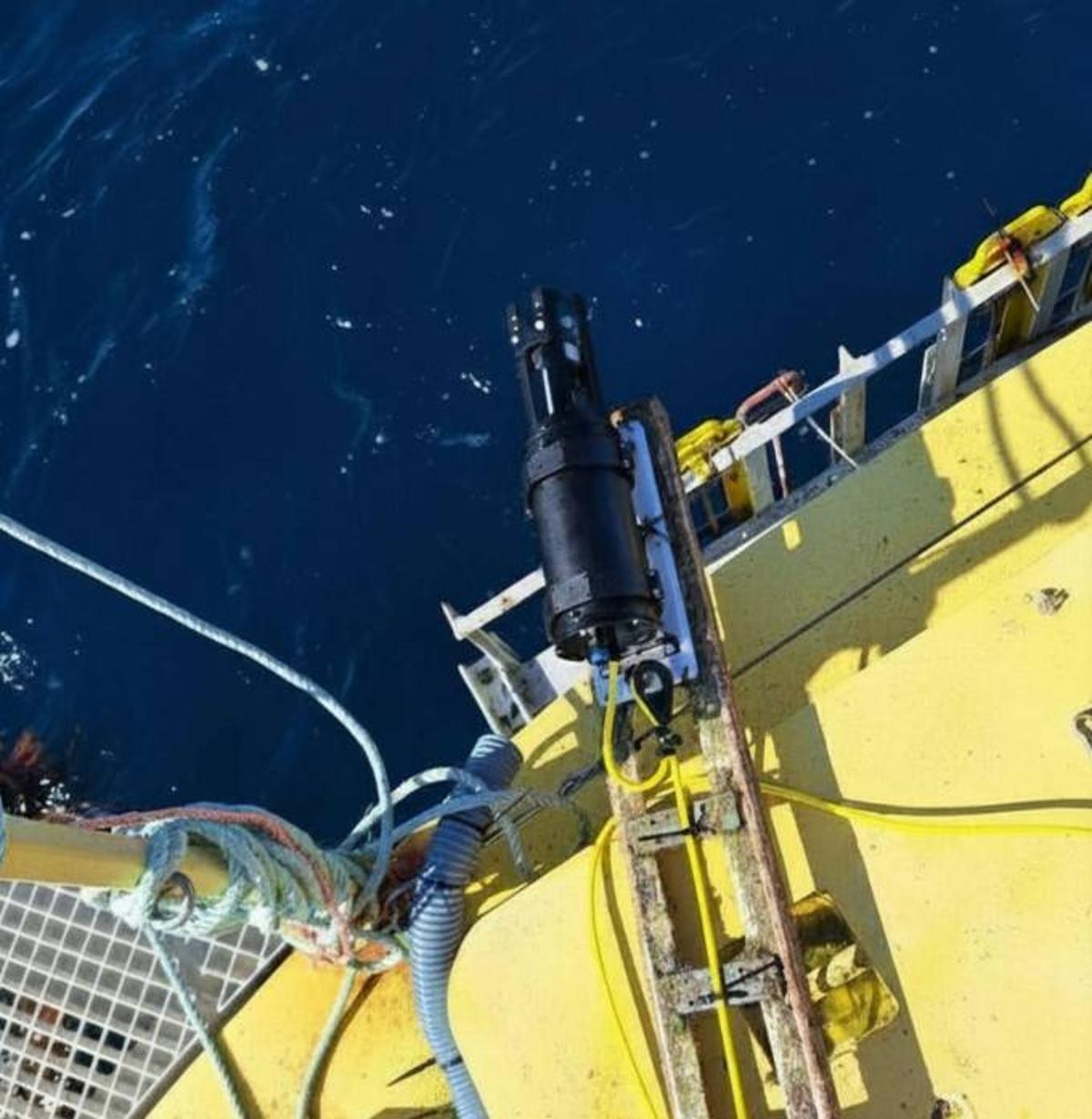
Vicinay Marine, Tecnalia Develop Remote Offshore Mooring Corrosion Sensor
Why It Matters
Accurate, continuous corrosion monitoring enables offshore operators to shift from reactive repairs to data‑driven maintenance, reducing downtime and capital expenditures. The sensor’s broader applicability could transform asset management across maritime industries.
Key Takeaways
- •Real-time corrosion data via electrical resistance measurements
- •Predictive model forecasts remaining service life of mooring components
- •Reduces costly manual inspections for offshore wind farms
- •Enhances maintenance scheduling and lowers lifecycle costs
- •Applicable to shipping, ports, and other submerged metal structures
Pulse Analysis
The new sensor from Vicinay Marine and Tecnalia tackles a long‑standing challenge in offshore engineering: hidden corrosion that silently degrades mooring lines. By measuring electrical resistance across a metal strand, the device quantifies material loss instantly, feeding the data into algorithms that map degradation trajectories and estimate remaining useful life. Validation on the HarshLab floating test platform—exposed to real‑world wave, salt, and temperature cycles—demonstrated reliable performance, confirming the sensor’s durability in the harsh marine environment.
For offshore wind developers, the implications are immediate. Mooring integrity directly influences turbine uptime and the economics of floating platforms. Traditional inspection regimes rely on divers or remotely operated vehicles, incurring high labor costs and operational downtime. The sensor’s continuous monitoring enables predictive maintenance, allowing operators to schedule interventions only when degradation thresholds approach critical levels. Early detection not only averts catastrophic failures but also informs optimal material thickness and design choices, potentially shaving millions of dollars from lifecycle budgets.
Beyond wind, the technology’s modular design makes it suitable for any submerged metallic infrastructure, from shipping hulls to port loading equipment. As the maritime sector embraces digital twins and condition‑based monitoring, such sensors become foundational data sources. Their adoption could accelerate the shift toward smarter, more resilient offshore assets, driving investment in advanced corrosion‑management solutions across global supply chains.
Vicinay Marine, Tecnalia Develop Remote Offshore Mooring Corrosion Sensor
Comments
Want to join the conversation?
Loading comments...