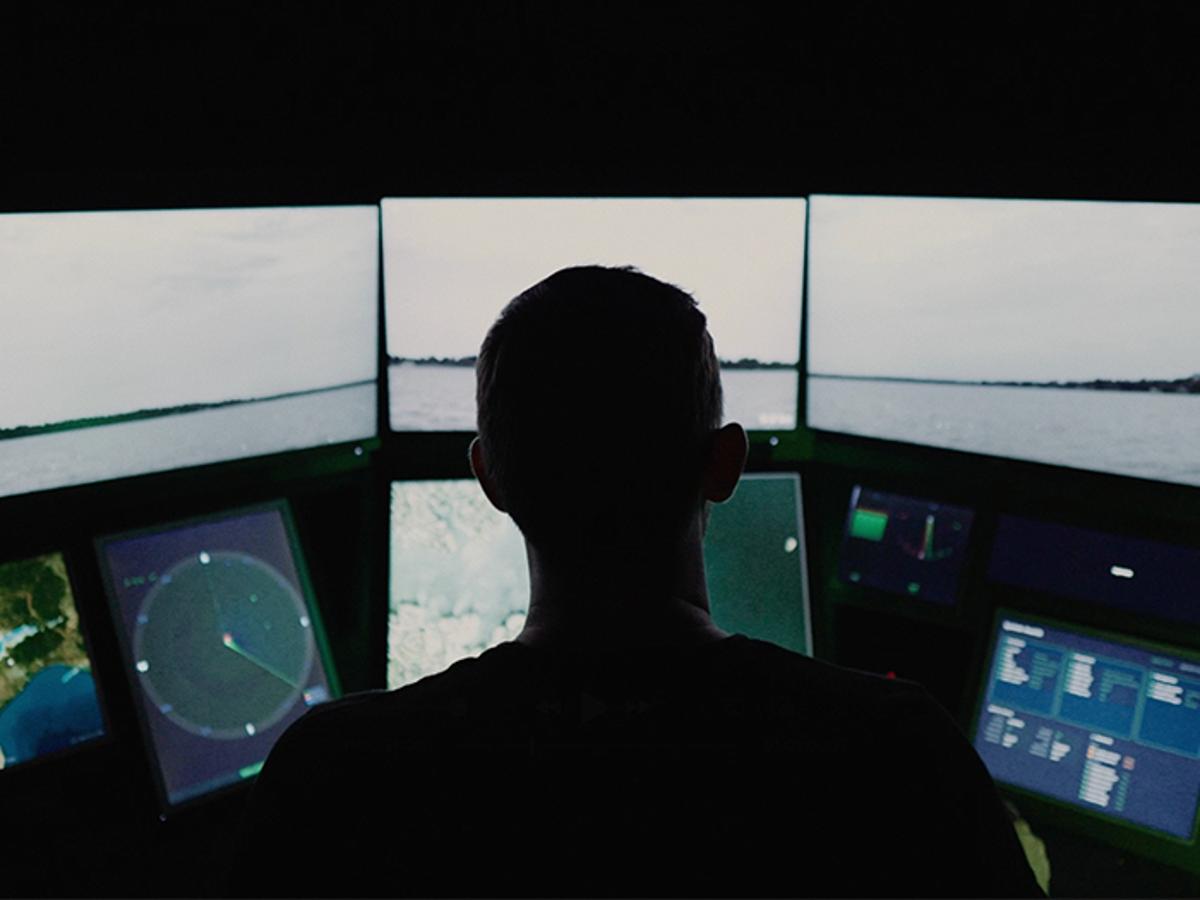
VIDEO: Fleetzero Enters the Autonomous and Remotely Crewed Vessel Market.
Why It Matters
The stack lowers crew costs and safety risks while unlocking remote operation of electric ships, a capability poised to accelerate maritime electrification and reshape logistics and defense deployments.
Key Takeaways
- •OctoDrive offers plug‑and‑play autonomy for new builds and retrofits
- •OctoPod provides shore‑based control of vessels from thousands of miles away
- •OctoBox fits in a suitcase, turning any ship into an autonomous platform
- •System integrates GPS, AIS, radar, INS, and cameras for sensor fusion
- •Built by U.S. Navy veterans, targeting commercial shipping lanes and defense missions
Pulse Analysis
The maritime industry is at a turning point as electric propulsion gains traction, removing the heavy mechanical complexity that has long limited remote operation. Fleetzzero, a Houston‑based developer known for its Leviathan battery containers and Kraken DC‑hub power systems, is leveraging that momentum to enter the autonomous‑vessel arena. By pairing its proven energy‑storage hardware with a purpose‑built software suite, the company aims to deliver a seamless on‑ramp for ship owners who want to transition from conventional crews to electric, hands‑off platforms.
The newly unveiled autonomy stack consists of three tightly integrated products. OctoDrive, the core AI‑driven software, fuses data from GPS, AIS, INS, radar and onboard cameras to generate low‑latency navigation decisions and autonomous route planning. OctoPod acts as a shore‑based mission‑control cockpit, giving operators full situational awareness and the ability to tele‑pilot vessels across global distances. For fleets that cannot afford a full vessel redesign, OctoBox delivers the same capabilities in a suitcase‑sized package that can be bolted onto existing hulls, effectively turning any ship into a remotely crewed asset.
These tools could reshape both commercial logistics and naval operations. Shipping companies stand to cut crew expenses, lower accident risk, and keep cargo moving through hazardous corridors such as the Arctic or congested ports. Defense customers gain a low‑signature, rapidly deployable platform that can operate in contested littorals without exposing personnel. However, regulatory frameworks for unmanned commercial vessels remain nascent, and integration with legacy maritime traffic management systems will be critical. Fleetzzero’s Navy‑veteran engineering team and its emphasis on modular, sensor‑agnostic design position it well to navigate those hurdles and drive broader adoption.
VIDEO: Fleetzero enters the autonomous and remotely crewed vessel market.
Comments
Want to join the conversation?
Loading comments...