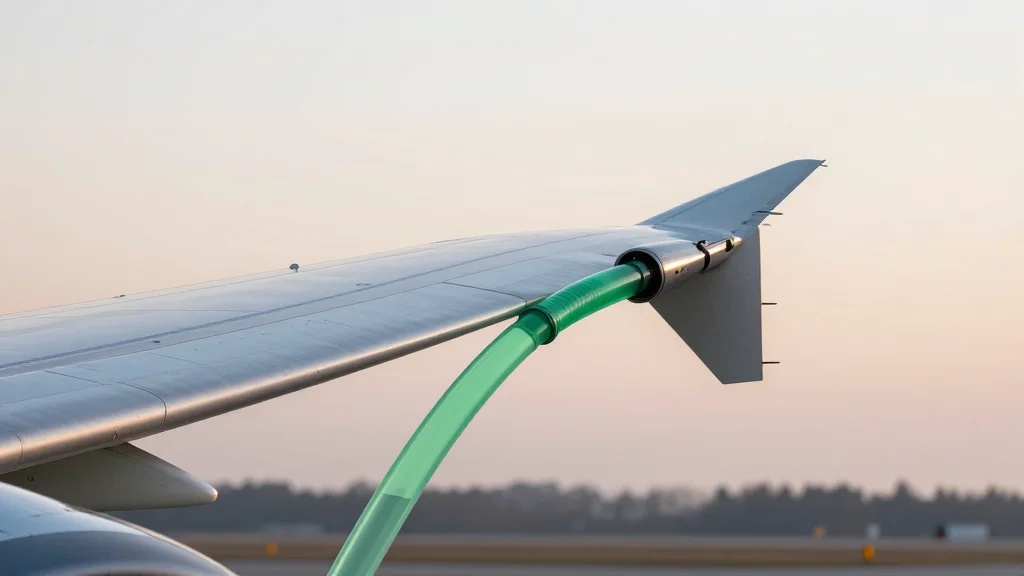
Video of the Week: Decarbonising Flight - Aviation’s Race Against Time
Why It Matters
Delays in SAF uptake and fleet renewal threaten cost structures, regulatory compliance, and the industry’s credibility with investors and passengers, potentially reshaping competitive dynamics.
Key Takeaways
- •SAF output remains far below European blending mandates
- •Aircraft delivery delays push fleet upgrades into the 2030s
- •Regulators debate cost‑pass‑through limits for sustainability premiums
- •Airlines are revising or deferring 2030‑mid‑term targets
- •Coordinated efficiency gains could offset some decarbonisation costs
Pulse Analysis
The aviation sector’s race to decarbonise has accelerated from a long‑term vision to an immediate operational imperative. While the International Air Transport Association’s net‑zero by 2050 goal sets a clear horizon, the pathway is riddled with bottlenecks: SAF plants are struggling to scale, aircraft manufacturers face supply‑chain constraints, and fragmented airspace reforms slow efficiency gains. These structural challenges force airlines to reassess capital allocation, balancing fleet renewal against the urgency of meeting interim emissions targets.
Regulatory frameworks are now a double‑edged sword. Europe’s SAF blending mandates and emerging emissions‑trading schemes aim to spur investment, yet the cost of passing these expenses to price‑sensitive passengers remains contentious. Airlines report limited willingness among corporate travelers and governments to absorb a sustainability premium, prompting a re‑evaluation of ticket pricing strategies. Simultaneously, short‑haul flight restrictions and carbon‑offset requirements add layers of complexity, influencing route planning and network profitability.
Amid these pressures, industry leaders are reframing sustainability as a lever for systemic efficiency rather than mere compliance. Greater collaboration between carriers, OEMs, fuel producers and airport operators can unlock operational synergies—such as optimized flight paths, weight‑reduction initiatives, and shared SAF procurement—that mitigate cost impacts. By aligning incentives and standardising cost‑sharing mechanisms, the sector can transform its decarbonisation narrative from rhetoric to resilient, long‑term value creation.
Video of the week: Decarbonising flight - aviation’s race against time
Comments
Want to join the conversation?
Loading comments...