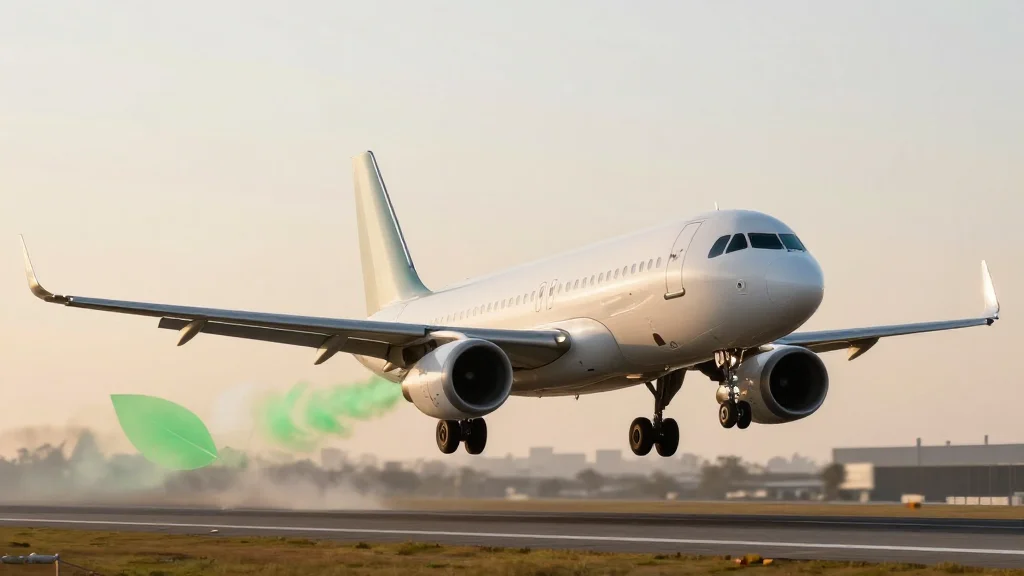
Video of the Week: Fleet First, Fuel Later - Asia's Diverging Green Growth
Why It Matters
The shift signals the first tangible steps toward carbon‑neutral flight in a high‑growth market, affecting airline economics and regional climate goals. Aligning policy with supply will determine whether Asia can meet its emissions targets without stalling traffic growth.
Key Takeaways
- •Singapore, Japan, South Korea draft SAF policy frameworks
- •SAF production capacity rising in Northeast and Southeast Asia
- •Airlines favour fleet upgrades over immediate SAF use
- •Cost‑pass‑through risk may deter price‑sensitive passengers
- •ASEAN coordination could prevent market fragmentation
Pulse Analysis
Asia‑Pacific aviation is entering a pragmatic phase of sustainability, moving beyond years of lobbying to concrete policy action. Governments in Singapore, Japan and South Korea have begun drafting SAF mandates and incentive schemes, signaling a shift from rhetoric to regulatory frameworks. This policy momentum is critical because the region accounts for a third of global passenger traffic growth, and early regulatory clarity can steer capital toward low‑carbon solutions.
At the same time, the Sustainable Aviation Fuel supply chain is still nascent. New production facilities are sprouting in countries such as Indonesia and South Korea, but total output falls short of the projected demand from rapidly expanding airlines. The high cost of SAF relative to conventional jet fuel poses a challenge in markets where passengers are highly price‑sensitive. Consequently, carriers are focusing on fleet renewal—adopting newer, fuel‑efficient aircraft—and operational measures like optimized routing, which deliver immediate emissions reductions without relying on large‑scale SAF availability.
Regional coordination emerges as a decisive factor for the next decade. ASEAN could harmonise standards, share SAF infrastructure, and prevent a patchwork of divergent national policies that would distort competition. Unlike Europe’s aggressive SAF mandates, Asia’s approach balances environmental ambition with economic growth, aiming for a gradual transition that aligns with market readiness. Successful alignment will not only curb aviation emissions but also position the region as a leader in scalable, cost‑effective green aviation solutions.
Video of the week: Fleet first, fuel later - Asia's diverging green growth
Comments
Want to join the conversation?
Loading comments...