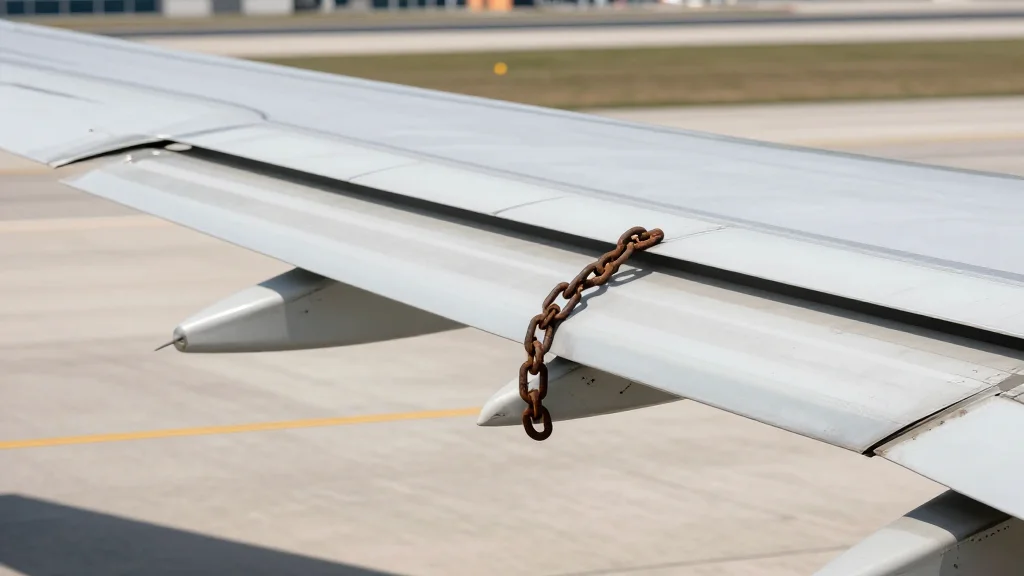
Video of the Week: The Supply Chain Crisis Reshaping Aviation’s Future
Why It Matters
The crisis directly erodes airline revenue and hampers manufacturers’ ability to meet demand, reshaping competitive dynamics across the sector. Strengthening supply‑chain resilience is essential for sustaining growth and protecting profit margins.
Key Takeaways
- •Aircraft deliveries delayed up to 18 months, throttling fleet growth
- •Engine shortages force airlines to retire planes early
- •Labor constraints increase maintenance costs and turnaround times
- •Geopolitical tensions disrupt parts sourcing from key Asian suppliers
- •Digital twins and AI improve supply chain visibility and risk mitigation
Pulse Analysis
The aviation supply‑chain shock began as a temporary pandemic fallout, but it has morphed into a persistent structural challenge. Early 2020 saw factories shut and logistics snarled, leading to a backlog of airframe components that still lingers. Today, the ripple effect touches every tier—from engine manufacturers grappling with raw‑material scarcity to MRO providers wrestling with a dwindling skilled workforce. Coupled with rising inflation and heightened geopolitical friction, the industry faces a perfect storm that threatens to outpace the robust rebound in passenger traffic.
Financially, the supply‑chain strain translates into higher capital expenditures and operating costs. Airlines are forced to defer fleet expansion, renegotiate delivery contracts, or even retire newer aircraft prematurely to manage engine shortages. Maintenance providers incur premium labor rates and longer turnaround times, squeezing margins. For OEMs, the inability to meet order pipelines erodes cash flow and can trigger penalties, while investors grow wary of delayed revenue streams. The cumulative effect is a drag on earnings forecasts and a shift in competitive advantage toward firms that can secure reliable parts and labor.
In response, the sector is embracing technology and collaborative models to rebuild resilience. Digital twins simulate supply‑chain flows, allowing firms to anticipate bottlenecks and re‑route components proactively. Artificial intelligence optimizes inventory levels and predicts demand spikes, while blockchain pilots aim to increase transparency across cross‑border transactions. Strategic partnerships—such as airlines co‑investing in component production or joint procurement consortia—are also gaining traction. These initiatives not only mitigate immediate risks but also lay the groundwork for a more adaptable, sustainable aviation ecosystem poised for the next wave of growth.
Video of the week: The supply chain crisis reshaping aviation’s future
Comments
Want to join the conversation?
Loading comments...