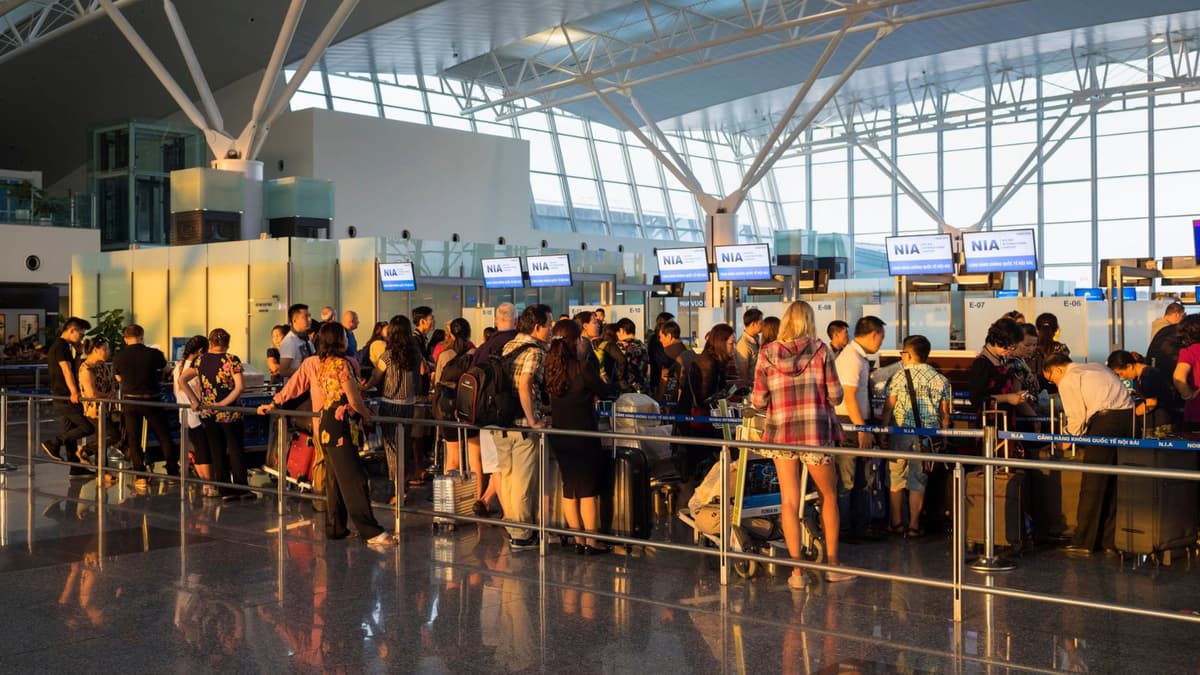
Vietnam Targets Shorter Airport Queues with VNeID, Biometrics, and Automated Gates Under New Scheme
Why It Matters
The initiative will streamline passenger processing, boost airport capacity and enhance Vietnam’s competitiveness as a regional aviation hub, while reinforcing security standards in line with ICAO guidelines.
Key Takeaways
- •Vietnam targets >60% digitisation of security checks by 2027
- •Three airports selected as pilots for smart, biometric gates
- •National Population Database to integrate with airport security systems
- •UAV detection pilots to counter drone threats at airports
- •Goal to rank a Vietnamese airport in top‑20 globally by 2030
Pulse Analysis
Around the world, airlines and airports are racing to adopt smart‑airport technologies that reduce wait times and tighten security. Vietnam’s new scheme, formalised in June 2026, aligns with this trend by mandating biometric identification, automated control gates and AI‑driven risk analytics. The government’s roadmap sets clear milestones: digitising over 30% of security procedures by the end of 2026, scaling to 60% by 2027, and reaching 80% adoption across airports by 2030. Pilot projects at Long Thanh, Da Nang and Phu Bai will serve as sandboxes for testing these systems before a nationwide rollout.
The integration of the National Population Database with airport security platforms is a cornerstone of the plan, enabling real‑time passenger verification and streamlined customs clearance. Coupled with drone‑detection pilots, the technology stack aims to pre‑empt both traditional threats and emerging risks such as unmanned aerial vehicles. By standardising passenger touch‑points and deploying smart queue‑management tools, the scheme promises to cut average processing times, improve resource allocation and enhance the overall traveler experience.
Strategically, the reforms position Vietnam as a more attractive destination for carriers seeking efficient hub operations in Southeast Asia. Faster processing and higher security compliance can draw additional international routes, boosting tourism and trade revenues. However, successful implementation will hinge on inter‑agency data sharing, robust cybersecurity measures and sustained investment in staff training. If these challenges are met, Vietnam could see a measurable uplift in airport capacity, passenger satisfaction and global airport rankings, reinforcing its role as a key gateway in the region.
Vietnam targets shorter airport queues with VNeID, biometrics, and automated gates under new scheme
Comments
Want to join the conversation?
Loading comments...