Viewpoint: Handling Autonomous Risks
Companies Mentioned
Why It Matters
The rapid deployment of autonomous transport reshapes risk profiles for insurers, demanding new coverage frameworks or risk of market exclusion. Clear liability solutions will be pivotal for scaling these technologies while protecting consumers and businesses.
Key Takeaways
- •Waymo runs ~100 driverless cars in Atlanta, 3,000 nationwide
- •Serve Robotics' Kaito and Margo bots deliver meals in 18‑minute average
- •Insurers confront blended liability across auto, product, and general coverage
- •Marsh Risk and Apollo launched a master policy for autonomous fleets
- •Cities impose e‑scooter speed caps to reduce accidents and fire risk
Pulse Analysis
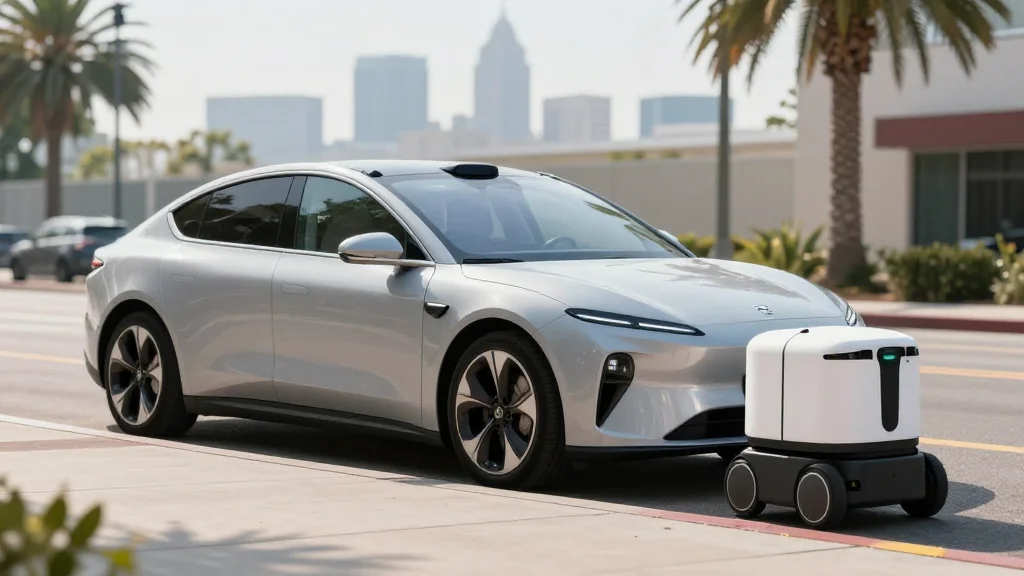
Atlanta is emerging as a proving ground for autonomous mobility, with Waymo’s driverless taxis weaving through the city’s notorious congestion and Serve Robotics’ delivery bots zipping meals from Shake Shack to diners in under twenty minutes. The 65‑square‑mile service zone reflects a broader industry push to embed robotaxis and last‑mile robotics into everyday urban life, a trend mirrored in other metros where fleets are scaling toward thousands of vehicles. For consumers, the convenience is tangible, but the visible presence of empty driver seats also signals a shift in how transportation assets are valued and regulated.
The insurance landscape, however, is still catching up. Traditional auto liability policies were never designed for a vehicle that may not have a human behind the wheel, while product liability considerations arise when software glitches or sensor failures cause crashes. Micromobility adds another layer: e‑scooters and e‑bikes, now limited by municipal speed caps, have generated a spate of injury claims and fire‑related property losses, prompting landlords to ban indoor charging. Insurers must therefore craft hybrid solutions that address employer exposure when employees use autonomous fleets for work, as well as the intersecting risks of autonomous delivery robots and drones.
Industry players are responding with innovative underwriting structures. Marsh Risk’s recent alliance with Apollo’s ibott division delivers a single‑master policy that bundles primary and excess liability for developers, fleet operators, manufacturers and OEMs, simplifying coverage while offering scalability. Captive insurers are also being explored as a way to retain capital and tailor risk appetite. As autonomous vehicle adoption accelerates, insurers that swiftly define their appetite and provide clear, adaptable policies will secure a competitive edge, whereas those that lag risk being left in the rear‑view mirror.
Viewpoint: Handling autonomous risks
Comments
Want to join the conversation?
Loading comments...