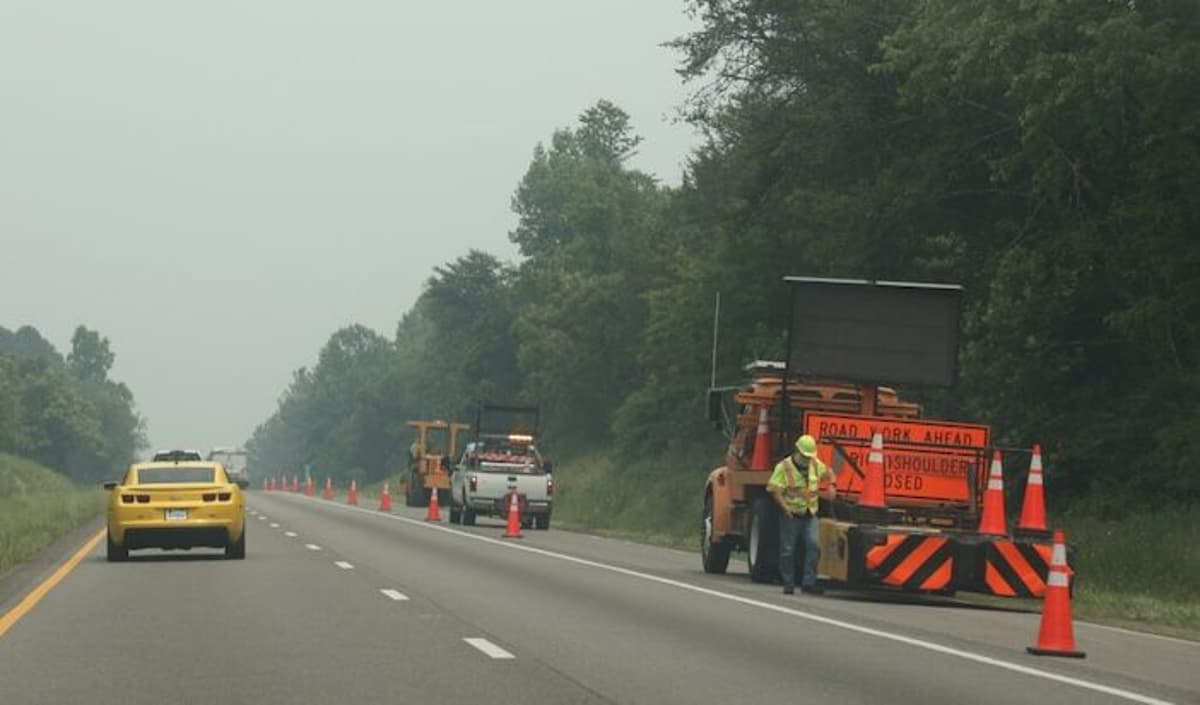
Virginia Focuses on Reducing Crashes in National Work Zone Awareness Week
Why It Matters
The surge in work‑zone crashes threatens both construction workers and motorists, underscoring the need for stricter driver compliance and enhanced safety protocols as Virginia’s infrastructure program expands.
Key Takeaways
- •2024 saw >4,000 work zone crashes, 2,300 injuries, 17 deaths
- •Speeding and distraction cause 85% of Virginia work zone crashes
- •Rear‑end collisions represent 75% of work zone incidents
- •Over 600 projects and 7,000 miles of pavement slated for 2024
- •Increased fines target moving violations when workers present
Pulse Analysis
National Work Zone Awareness Week, born in Virginia in 1997, has become a nationwide safety campaign that draws attention to the growing risk of accidents in construction zones. Virginia’s latest figures reveal a troubling upward trend: more than 4,000 crashes, 2,300 injuries and 17 fatalities in 2024, eclipsing the previous year’s numbers. The spike coincides with an unprecedented construction season—over 600 projects and 7,000 miles of pavement slated for resurfacing—meaning drivers will encounter far more lane closures, orange cones, and on‑site workers than in recent years.
VDOT’s analysis points to driver behavior as the primary variable. Speeding and mobile‑phone distraction together account for 85% of work‑zone crashes, while rear‑end collisions make up 75% of incidents. To mitigate these risks, the agency deploys reflective apparel, flaggers, enhanced signage and reduced speed limits, and it enforces higher fines for violations in active zones. Motorists are urged to slow down, silence phones, obey flaggers and allow extra stopping distance. Real‑time information is available through the 511 Virginia service, accessible online, via a mobile app, or by phone, helping drivers plan routes around upcoming work zones.
The broader implication is clear: as states accelerate infrastructure upgrades, the safety of both workers and the traveling public hinges on integrating technology and stricter enforcement. Intelligent transportation systems, such as connected‑vehicle alerts and dynamic speed‑limit signage, could further reduce human error. For contractors and equipment manufacturers, the heightened focus on safety translates into demand for better protective gear and automated monitoring tools. Ultimately, sustained reductions in work‑zone crashes will require a coordinated effort among agencies, industry stakeholders and drivers, turning temporary inconveniences into long‑term safety gains.
Virginia focuses on reducing crashes in National Work Zone Awareness Week
Comments
Want to join the conversation?
Loading comments...