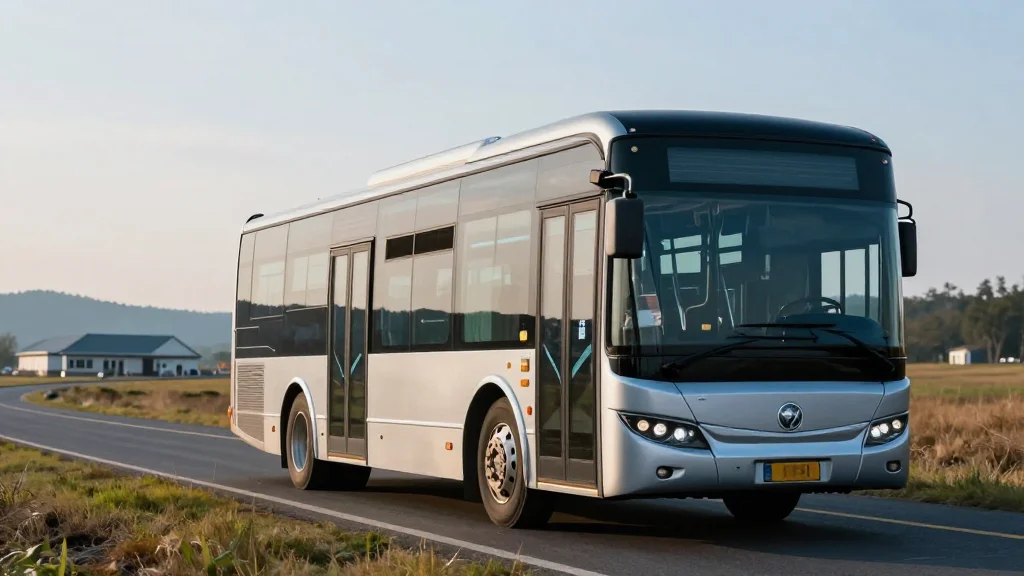
Virginia Launches Cross-State Bus Service
Why It Matters
The new east‑west corridor expands affordable intercity mobility, bolstering tourism, college access, and economic activity in both urban and rural Virginia. It also positions the state among a growing list of jurisdictions using federal subsidies to revitalize regional bus networks.
Key Takeaways
- •Virginia Breeze adds Tidewater Current, linking 10 cities east‑west.
- •One bus runs daily each direction, connecting to north‑south routes.
- •System carried 68,000 riders in 2025, up 5% year‑over‑year.
- •Service supports tourism, college travel, and rural economic development.
Pulse Analysis
State‑backed intercity bus services are gaining traction as a cost‑effective solution for regional connectivity, and Virginia’s latest addition underscores that trend. The Tidewater Current, part of the Virginia Breeze portfolio, leverages Federal Transit Administration Section 5311 grants to subsidize operations in less‑dense corridors. By stitching together ten municipalities along the I‑81 corridor, the route fills a historic east‑west gap, offering a reliable alternative to personal vehicle travel and complementing existing north‑south services that reach Washington, D.C., and beyond.
Beyond sheer convenience, the service carries strategic economic implications. Universities and colleges in Charlottesville, Staunton and Harrisonburg stand to benefit from increased student mobility, while tourism hotspots along the coast and in the Shenandoah Valley gain a new feeder line that can attract out‑of‑state visitors. The inclusion of amenities such as Wi‑Fi and power outlets aligns with modern traveler expectations, potentially boosting ridership among business professionals and remote workers who value productivity on the move. Early ridership data suggests the route could quickly become a catalyst for local commerce, especially in smaller towns that previously lacked direct intercity links.
Virginia joins a cohort of states—including Colorado, Maine, North Carolina, Oregon and Washington—that have embraced subsidized bus networks to address rural transportation gaps. As the Virginia Breeze system reports a steady 5% annual growth, policymakers are likely to view the Tidewater Current as a proof point for further expansion. Continued investment could see additional east‑west corridors, integrated ticketing with Amtrak, and enhanced frequency, positioning Virginia as a model for balanced, multimodal regional transit in the United States.
Virginia launches cross-state bus service
Comments
Want to join the conversation?
Loading comments...