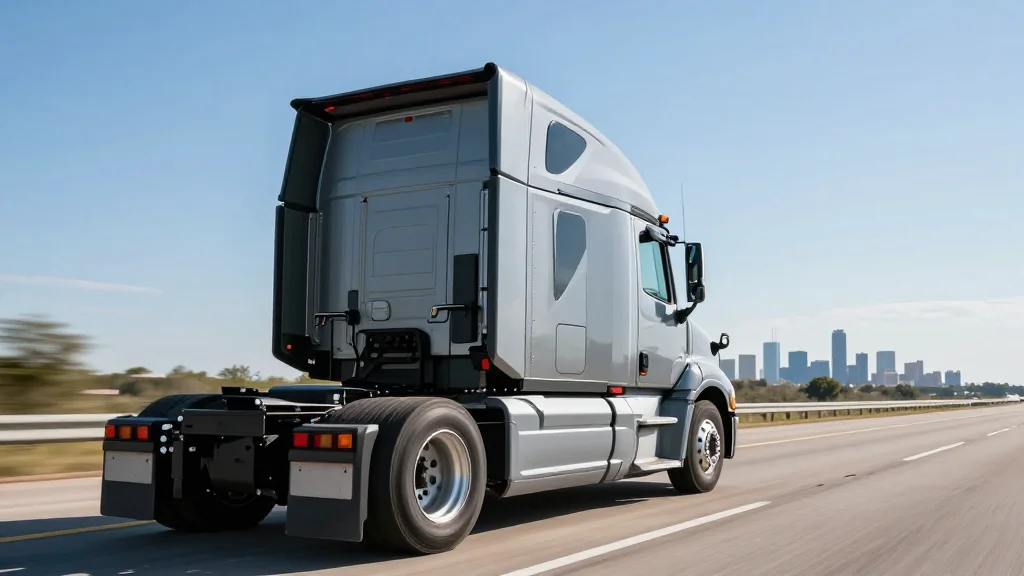
Volvo and Roehl Launch First Commercial Autonomous Freight Runs in Texas

Companies Mentioned
Why It Matters
The debut of commercial autonomous freight runs in Texas provides a real‑world testbed for technologies that have long been confined to pilot programs. Successful scaling could alleviate the driver shortage that threatens to cap growth in the U.S. trucking sector, while also delivering measurable gains in safety and efficiency. Moreover, the Texas pilots demonstrate how autonomous trucks can be woven into existing logistics networks, a prerequisite for broader adoption across the nation. If the safety‑driver model proves effective, regulators may grant broader waivers, accelerating the transition to fully driver‑less operations. The data emerging from these runs will inform fleet investment decisions, insurance underwriting, and the design of future autonomous standards, potentially reshaping the economics of long‑haul trucking for years to come.
Key Takeaways
- •Volvo VNL Autonomous trucks begin DSV‑backed service on Dallas‑Houston lane with safety driver
- •Roehl Transport launches Kodiak Driver‑equipped trucks, completing four round‑trips per week
- •Both pilots aim to improve asset utilization by up to 30 % and address driver shortage
- •Safety drivers satisfy Texas regulatory waivers for limited autonomous operations
- •Plans to add additional Texas lanes by Q4 2026 and expand Kodiak fleet to ten trucks by early 2027
Pulse Analysis
The simultaneous rollout of two autonomous freight pilots in Texas signals a convergence of technology readiness and market pressure. Volvo’s partnership with DSV leverages a mature hardware platform (the VNL chassis) and a proven software stack from Aurora and Waabi, while Roehl’s collaboration with Kodiak showcases a leaner, AI‑centric approach that can be retrofitted onto existing rigs. This dual strategy reflects a broader industry split: legacy OEMs betting on integrated, end‑to‑end solutions versus pure‑play software firms offering modular autonomy kits.
Historically, autonomous trucking pilots have struggled to move beyond limited test routes due to regulatory hurdles and fleet integration challenges. Texas’ willingness to grant safety‑driver waivers, combined with the high freight volume of the Dallas‑Houston corridor, creates a low‑risk environment for carriers to validate cost and safety claims. If the pilots deliver on promised efficiency gains, they could catalyze a wave of similar waivers in other logistics hubs, effectively lowering the barrier to entry for smaller carriers that lack the capital to purchase fully autonomous rigs.
Looking ahead, the key question is scalability. Both Volvo and Kodiak must demonstrate that their safety‑driver model can transition to fully driver‑less operation without sacrificing reliability. The forthcoming performance data will be scrutinized by insurers, shippers, and policymakers. A positive outcome could accelerate capital allocation toward autonomous fleets, reshape driver labor dynamics, and force traditional trucking firms to rethink fleet composition. Conversely, any safety incident or operational shortfall could reinforce regulatory caution and stall broader adoption. The Texas pilots, therefore, are not just a regional experiment but a bellwether for the future trajectory of autonomous freight in North America.
Volvo and Roehl Launch First Commercial Autonomous Freight Runs in Texas
Comments
Want to join the conversation?
Loading comments...