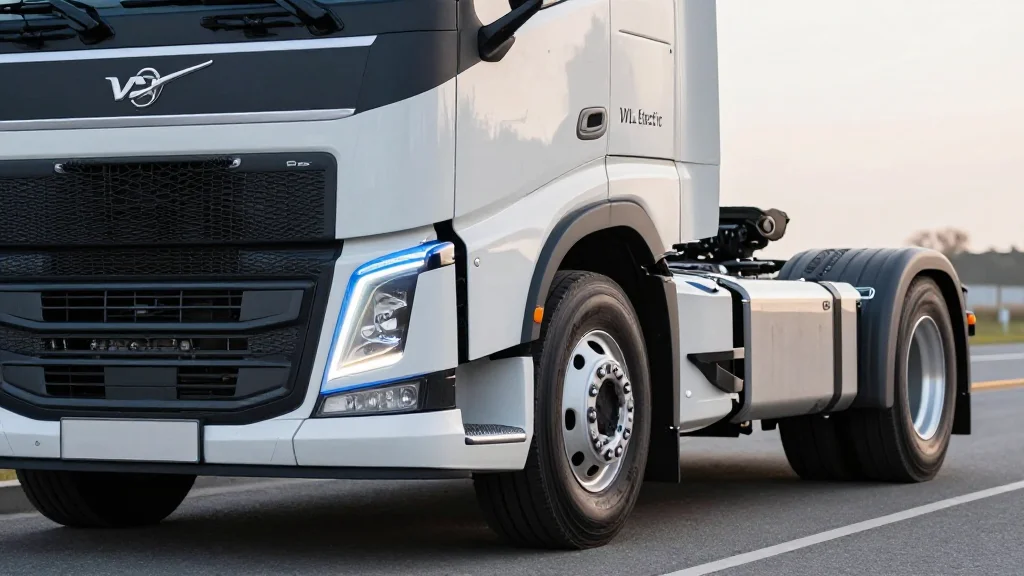
VTNA to Begin Taking VNL Electric Orders by End of 2026
Companies Mentioned
Why It Matters
The postponement highlights how U.S. policy shifts can directly impact heavy‑duty EV rollouts, affecting fleet investment decisions and supplier momentum. It also signals that demand from drayage, regional‑haul and urban distribution will be a key driver for future electric truck adoption.
Key Takeaways
- •VTNA orders for VNL Electric start by end‑2026, delayed from 2025
- •Proterra’s Onyx battery platform powers the VNL Electric after $210M acquisition
- •$400M plant upgrade in Dublin, VA readies production of revamped VNL
- •Demand expected from drayage, regional‑haul, and urban distribution segments
- •Longer sales cycles reflect reduced political support for battery‑electric trucks
Pulse Analysis
The heavy‑duty electric truck market in the United States has been a bellwether for broader clean‑transport trends, and Volvo Trucks North America (VTNA) remains a pivotal player. By pushing VNL Electric order intake to the close of 2026, VTNA acknowledges the heightened uncertainty that follows a political environment less favorable to zero‑emission mandates. This shift underscores the delicate balance OEMs must strike between ambitious product roadmaps and the regulatory signals that drive fleet purchasing behavior.
Technologically, the VNL Electric leans on Proterra’s Onyx battery platform, a strategic asset acquired for $210 million after Proterra’s parent filed for bankruptcy. The Onyx system promises higher energy density and faster charging, essential for the drayage and regional‑haul segments where turnaround time is critical. VTNA’s $400 million plant revamp in Dublin, Virginia, equips the facility with the necessary tooling and safety infrastructure to assemble these high‑voltage vehicles at scale, positioning the company to meet anticipated demand once the market stabilizes.
From a market perspective, the delayed rollout may compress the sales cycle for electric trucks, as fleets weigh financing options and potential incentives against a backdrop of policy volatility. Nevertheless, VTNA’s focus on drayage, regional‑haul, and urban distribution reflects a pragmatic approach: these segments benefit most from electric power‑trains due to shorter routes and frequent stops. As competitors accelerate their own electric offerings, Volvo’s investment in battery technology and manufacturing capacity could prove decisive in capturing a growing share of the U.S. Class 8 electric market.
VTNA to Begin Taking VNL Electric Orders by End of 2026
Comments
Want to join the conversation?
Loading comments...