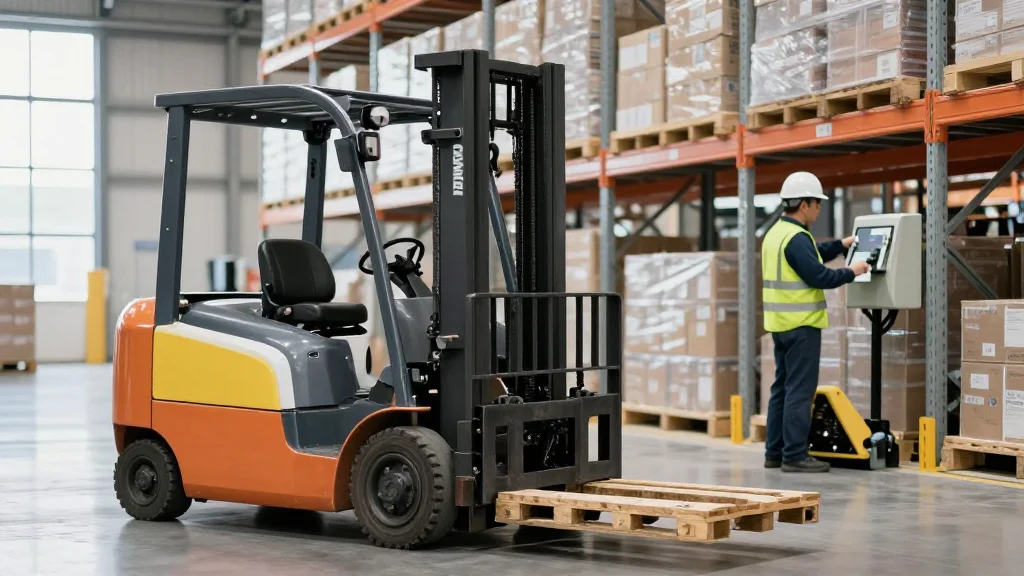
Warehouse Design Layout: Key Elements for Efficient Storage & Workflow Optimization
Why It Matters
A well‑designed warehouse directly cuts operating costs, accelerates order fulfillment, and strengthens a company’s competitive edge in a fast‑moving logistics market.
Key Takeaways
- •Scalable design cuts future expansion expenses.
- •Optimized flow lowers handling time and bottlenecks.
- •Vertical racking maximizes space without sacrificing access.
- •Integrated WMS and AS/RS boost accuracy and labor efficiency.
- •Ergonomic workstations improve safety and employee productivity.
Pulse Analysis
Modern supply chains demand warehouses that can adapt as quickly as market demands shift. A scalable layout—featuring modular racking, adjustable aisles, and clear expansion zones—allows businesses to add new product lines or increase capacity without major construction. This flexibility not only preserves capital but also shortens the time to market for emerging SKUs, a critical advantage in today’s e‑commerce driven environment.
Operational flow and space utilization are the twin engines of warehouse efficiency. Designing a logical path from receiving through storage to shipping eliminates unnecessary handling steps, cutting labor hours and reducing error rates. Leveraging vertical space with high‑rise pallet racks, mezzanines, and automated storage and retrieval systems (AS/RS) maximizes cubic footage while keeping high‑turn items within easy reach. Coupled with a robust warehouse management system (WMS), real‑time inventory visibility further streamlines pick‑pack‑ship cycles, driving higher order accuracy and faster delivery.
Ergonomics and safety, often overlooked, deliver measurable ROI by reducing injury‑related downtime and boosting employee morale. Adjustable workstations, proper lighting, and clear signage minimize strain and prevent accidents, translating into lower workers’ compensation costs. When safety protocols are baked into the layout, the facility not only complies with regulations but also creates a culture of responsibility that sustains long‑term productivity. Together, these design pillars future‑proof warehouses, ensuring they remain agile, cost‑effective, and resilient against evolving industry pressures.
Warehouse Design Layout: Key Elements for Efficient Storage & Workflow Optimization
Comments
Want to join the conversation?
Loading comments...