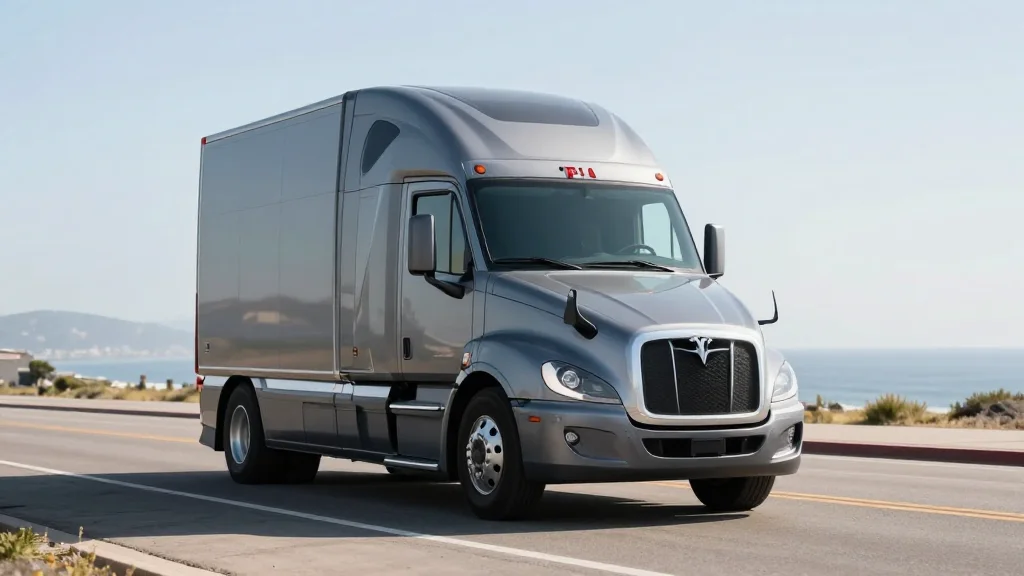
WattEV Orders 370 Tesla Semis in Record California EV Deployment
Companies Mentioned
Why It Matters
The deployment accelerates electrification of heavy‑duty freight on the West Coast, proving the commercial viability of Tesla’s Semi and providing a scalable template for large‑scale electric truck fleets.
Key Takeaways
- •WattEV orders 370 Tesla Semis, largest California EV truck deployment.
- •First 50 Semis arrive 2026; full fleet complete by 2027.
- •MCS chargers add 300 miles in 30 minutes at Oakland, Fresno.
- •Joint program with Port of Oakland powers over 300 trucks.
- •Turnkey leasing eliminates capital risk for carriers.
Pulse Analysis
Tesla’s Semi has finally entered mass production at the Nevada Gigafactory, and WattEV’s 370‑truck order marks the first truly large‑scale commercial commitment to the platform. The order not only secures a fleet that will dominate California’s drayage and long‑haul corridors, but it also signals confidence in the Semi’s payload capacity, operating cost advantage, and reliability after years of speculation. By aligning the purchase with a public request for proposals, WattEV underscores that cost and performance have reached a tipping point for carriers seeking to replace diesel power.
The success of the deployment hinges on the supporting Megawatt Charging System (MCS) network that WattEV plans to roll out at the Port of Oakland, Fresno, and later in Stockton and Sacramento. MCS can replenish roughly 300 miles of range in half an hour, effectively eliminating the downtime that has plagued earlier electric‑truck pilots. This rapid‑charge capability, combined with a vertically integrated leasing model, removes the capital barrier for shippers and allows them to transition to zero‑emission freight without disrupting service levels. The charging depots also create ancillary revenue streams for WattEV through energy management and grid services.
Industry analysts view WattEV’s approach as a blueprint for scaling electric freight across the United States. The turnkey lease‑to‑operate structure mitigates financial risk, while the joint program with the Port of Oakland demonstrates how public‑private partnerships can accelerate infrastructure rollout. As energy costs rise and emissions regulations tighten, carriers that adopt such integrated solutions are likely to enjoy lower total‑cost‑of‑ownership and a competitive edge. WattEV’s ambitious California rollout could therefore catalyze a broader shift toward electrified long‑haul logistics nationwide.
WattEV orders 370 Tesla Semis in record California EV deployment
Comments
Want to join the conversation?
Loading comments...