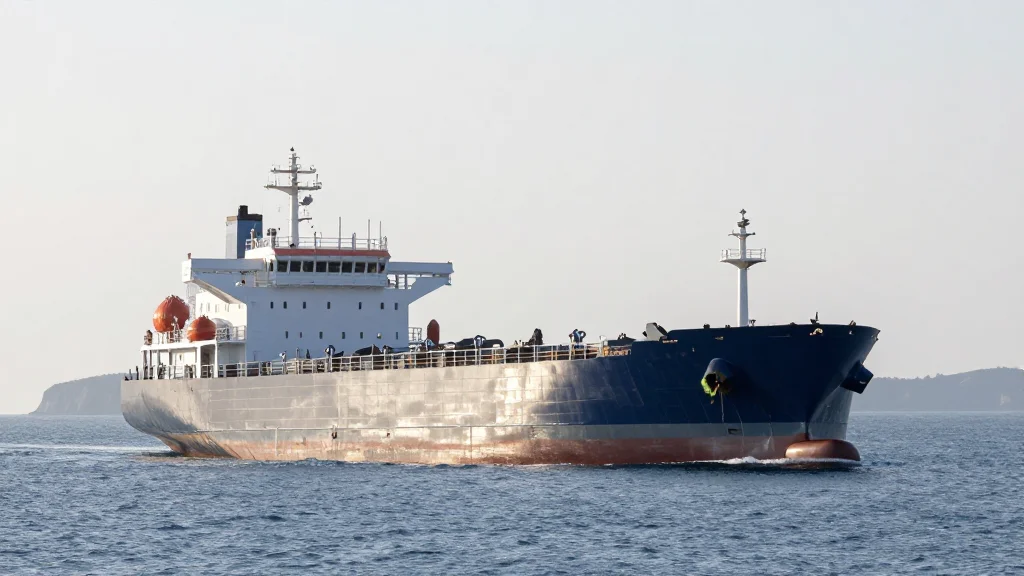
Wavelength Podcast: Ceasefire Confusion in the Middle East
Why It Matters
Shipping routes, insurance costs, and green‑fuel innovations are pivotal to global trade resilience and the industry’s decarbonisation agenda, while regulatory shifts shape competitive dynamics across regions.
Key Takeaways
- •Ceasefire does not guarantee safe Strait of Hormuz traffic
- •Insurers warn conflicts could spike marine casualty costs
- •Exmar launches first dual‑fuel ammonia carriers, cutting emissions 95%
- •New US FMC chair aims to revive US‑flag fleet
- •EU hull‑coating approval delays hurt competitiveness versus Asian yards
Pulse Analysis
The fragile ceasefire that emerged in the Middle East this spring has left the strategic Strait of Hormuz in a state of limbo. While hostilities have eased, ship operators remain wary of sudden flare‑ups, prompting many to await explicit government guidance before resuming regular transits. This uncertainty ripples through freight rates and supply‑chain planning, underscoring how geopolitical stability remains a prerequisite for the smooth flow of oil and container traffic through one of the world’s most vital chokepoints.
Parallel to the security concerns, the maritime insurance market is bracing for heightened exposure. Major P&I clubs, represented by International Group chair Rolf Thore Roppestad, warn that lingering sanctions and the potential for renewed conflict could drive up casualty premiums and tighten coverage terms. At the same time, the sector sees a breakthrough in green shipping: Exmar’s newly delivered dual‑fuel ammonia carriers promise up to a 95% reduction in CO₂ emissions, signaling a shift toward alternative fuels that could reshape vessel design and charter economics. These vessels also test the market’s readiness for large‑scale ammonia logistics, from bunkering infrastructure to regulatory frameworks.
Regulatory developments add another layer of complexity. The newly appointed chair of the US Federal Maritime Commission is signaling an aggressive agenda to bolster the US‑flag fleet, aiming to capture market share lost to foreign registries and stimulate domestic shipbuilding. Across the Atlantic, European shipyards and hull‑coating manufacturers are grappling with a slow‑moving approval process for new biocide additives, a bottleneck that threatens to erode Europe’s competitive edge as Asian yards offer faster, more innovative solutions. Together, these dynamics illustrate how geopolitics, insurance, green technology, and policy intersect to define the next chapter of global shipping.
Wavelength podcast: Ceasefire confusion in the Middle East
Comments
Want to join the conversation?
Loading comments...