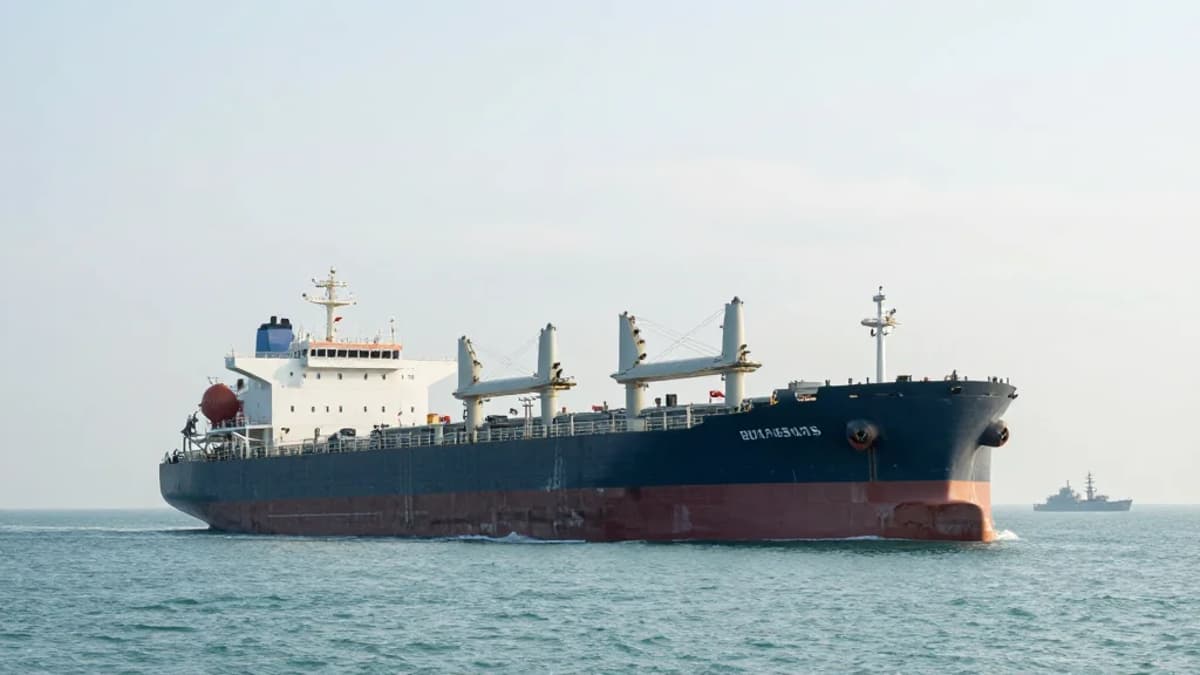
Wavelength Podcast: Episode 100. War Risk, Rates and Bad Planning?
•March 6, 2026
0
Why It Matters
The episode highlights how sudden geopolitical shocks can reshape freight pricing, insurance markets, and regulatory responses, directly influencing global trade flows and industry strategy.
Key Takeaways
- •US/Israel strikes on Iran raise shipping war‑risk concerns
- •VLCC day rates climb toward $700,000 amid crude shortage
- •London market confirms Strait of Hormuz insurance remains available
- •IMO secretary‑general reports seafarers stranded in Gulf region
- •EU unveils largest maritime investment programme to boost competitiveness
Pulse Analysis
The escalation of hostilities in the Middle East, epitomized by the US and Israel’s strikes on Iran, has thrust war‑risk considerations back into the spotlight for shipowners and charterers. Operation Epic Fury, while primarily a military campaign, reverberates through maritime logistics, prompting vessels to reroute, adjust speed, and reassess cargo exposure. This sudden shift forces operators to balance safety with cost efficiency, underscoring the fragile interplay between geopolitics and the global supply chain.
Concurrently, the tanker market has experienced a dramatic price surge, with VLCC fixtures approaching $700,000 per day as crude shortages tighten. Despite rumors of a coverage vacuum, London’s insurance market confirms that Strait of Hormuz policies remain on offer, albeit at premium rates reflecting heightened perceived risk. The International Maritime Organization’s secretary‑general has also highlighted the human dimension, noting seafarers left idle in Gulf ports due to uncertain clearance procedures. These operational bottlenecks illustrate how conflict can amplify both financial and labor challenges across the sector.
Looking ahead, the European Commission’s sweeping maritime investment package aims to position Europe as a “leading waterborne continent.” By channeling funds into greener vessels, digital infrastructure, and port modernization, the EU seeks to mitigate future disruptions and enhance competitiveness. This strategic push not only supports resilience against geopolitical shocks but also aligns with broader decarbonisation goals, signaling a long‑term shift in how the industry balances security, sustainability, and profitability.
Wavelength podcast: Episode 100. War risk, rates and bad planning?
0
Comments
Want to join the conversation?
Loading comments...