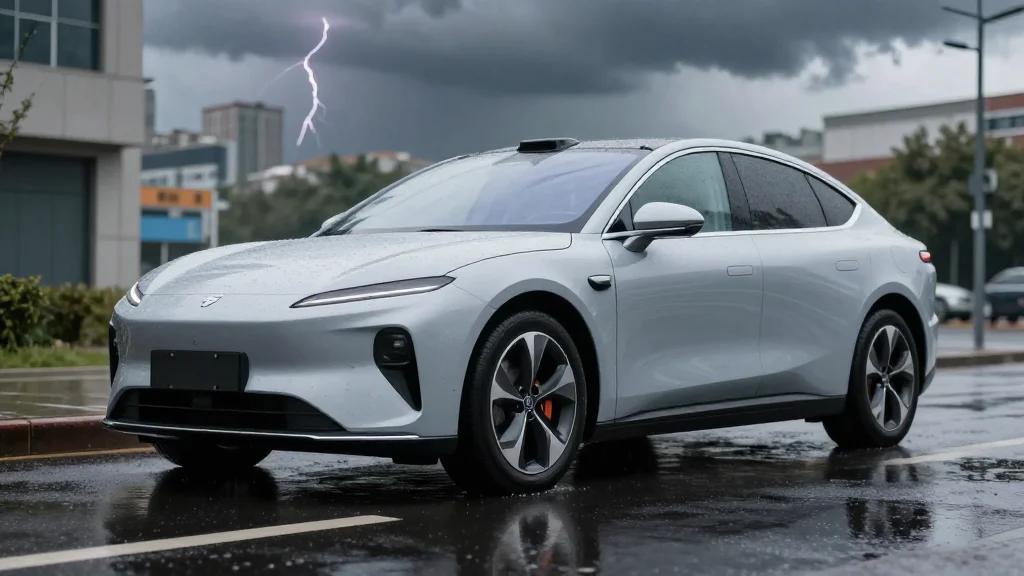
Waymo Pauses Driverless Car Service in Atlanta and Texas Ahead of Potentially Dangerous Storms
Companies Mentioned
Why It Matters
The shutdown highlights the operational risks autonomous fleets face from extreme weather, potentially slowing broader adoption and prompting tighter safety protocols.
Key Takeaways
- •Waymo halted driverless rides in Atlanta and Texas due to flooding
- •One Waymo vehicle stranded, another waylaid during heavy rain
- •Service pause is precautionary amid forecasted severe thunderstorms
- •Waymo operates only in Atlanta and several Texas markets
- •Weather‑related disruptions raise safety concerns for autonomous fleets
Pulse Analysis
Waymo’s decision to suspend its driverless‑car service in Atlanta and Texas underscores a growing challenge for autonomous‑vehicle operators: weather resilience. While the technology excels in predictable conditions, heavy rain, flash flooding, and severe thunderstorms can impair sensor performance, traction control, and real‑time mapping. The recent incident, where a Waymo vehicle was immobilized by flood‑water, illustrates how even a single event can trigger broader operational pauses, especially when safety‑critical systems are compromised. Companies must therefore invest in robust weather‑detection algorithms and contingency plans that can dynamically reroute or suspend service without eroding consumer confidence.
Beyond immediate safety, the pause has strategic implications for the rollout of autonomous mobility services. Investors and city planners watch Waymo’s operational decisions closely, using them as barometers for the technology’s readiness at scale. A weather‑induced service interruption can affect revenue forecasts, fleet utilization rates, and partnership negotiations with municipalities. As climate patterns shift toward more frequent extreme events, autonomous providers will likely need to integrate climate‑risk assessments into their expansion models, ensuring that fleet deployment aligns with regional weather profiles.
Regulators are also taking note. The incident may prompt transportation authorities to revisit guidelines governing autonomous vehicles in adverse conditions, potentially mandating stricter performance standards for sensor suites and emergency response protocols. For consumers, the temporary halt serves as a reminder that autonomous rides are not immune to the same disruptions that affect traditional transport. Transparency about weather‑related service limitations will be crucial for maintaining trust as the industry moves toward broader adoption across diverse geographic markets.
Waymo pauses driverless car service in Atlanta and Texas ahead of potentially dangerous storms
Comments
Want to join the conversation?
Loading comments...