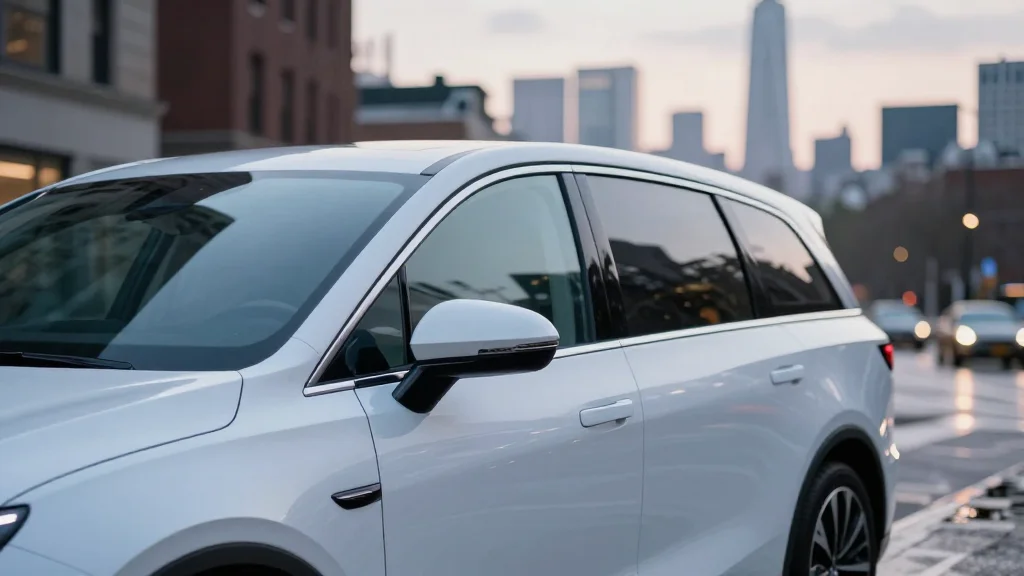
Waymo Suspends New York City Robotaxi Tests After Permit Expiry

Why It Matters
The suspension of Waymo’s robotaxi trials in New York City highlights the growing friction between innovative mobility technologies and entrenched regulatory frameworks. As autonomous vehicles promise to reshape urban transportation, the ability of city and state agencies to grant or withhold testing permits will directly influence rollout timelines, investment decisions, and the competitive dynamics among firms like Waymo, Zoox, Uber, and Lyft. Moreover, the dispute underscores labor concerns, with traditional taxi drivers fearing displacement, which could shape future policy debates around job protection and technology adoption. If New York maintains a restrictive stance, other dense urban markets may follow suit, potentially slowing the nationwide diffusion of driverless taxis. Conversely, a clear regulatory pathway could accelerate deployment, prompting a cascade of investments in AV fleets, infrastructure, and related services, ultimately affecting traffic patterns, emissions, and urban mobility economics.
Key Takeaways
- •Waymo halts testing of eight robotaxis in NYC after city and state permits expired last month.
- •Mayor Zohran Mamdani warned the city will protect taxi drivers, reflecting labor‑policy tension.
- •Governor Kathy Hochul rolled back upstate testing proposals, signaling broader state resistance.
- •Competitors Zoox, Uber, and Lyft continue expanding AV services in other U.S. cities.
- •No collisions reported during Waymo’s NYC trial; safety record remains strong.
Pulse Analysis
Waymo’s retreat from New York underscores a pivotal inflection point for autonomous‑vehicle rollouts: regulatory certainty is as critical as technological readiness. Historically, early AV pilots have thrived in jurisdictions that offered clear, supportive frameworks—Arizona, Nevada, and California being prime examples. New York’s complex political ecosystem, however, blends labor unions, legacy taxi lobbies, and heightened public scrutiny, creating a tougher entry barrier. Waymo’s decision to pause rather than push ahead suggests a strategic recalibration, likely reallocating engineering and capital resources to markets with smoother permitting processes.
The broader AV field is witnessing a divergence in tactics. Uber’s partnership with Rivian and Lyft’s Atlanta launch illustrate a bet on scaling through private‑sector alliances, sidestepping the most contentious urban environments for now. Zoox’s incremental city‑by‑city expansion mirrors a cautious, data‑driven approach. Waymo’s setback may accelerate this trend, prompting firms to prioritize regulatory‑friendly corridors before tackling megacities. Investors will watch how Alphabet balances its long‑term vision for driverless mobility against short‑term revenue pressures, especially as the company’s autonomous‑taxi unit has yet to achieve commercial profitability.
Looking ahead, the outcome of New York’s budget negotiations and any subsequent permit renewals will serve as a litmus test for the nation’s willingness to integrate autonomous taxis into its most congested streets. A favorable resolution could unlock a $10‑plus billion market opportunity, while continued resistance may relegate driverless taxis to peripheral roles for years, reshaping the competitive hierarchy among AV pioneers.
Waymo Suspends New York City Robotaxi Tests After Permit Expiry
Comments
Want to join the conversation?
Loading comments...