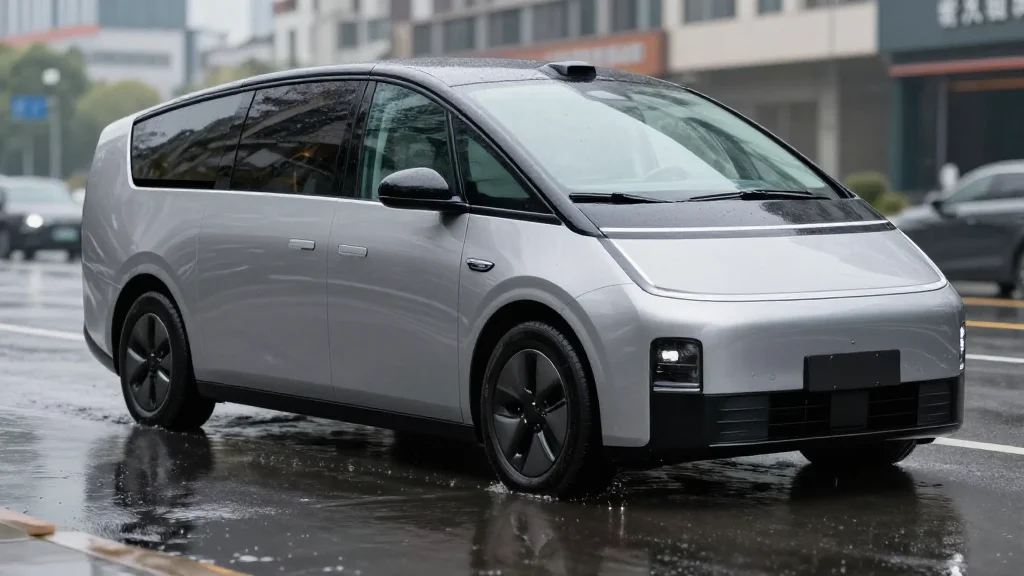
Waymo Suspends Service in 4 Cities After Robotaxi Drives Into Floodwaters
Companies Mentioned
Why It Matters
The suspension highlights the operational risks autonomous fleets face in extreme weather, prompting tighter safety protocols and regulatory scrutiny. It also signals to the broader industry that real‑world conditions can outpace software safeguards.
Key Takeaways
- •Waymo halted robotaxi service in Atlanta, San Antonio, Houston, Dallas
- •Fleet of nearly 4,000 driverless cars received a flood‑driving software update
- •The flooded vehicle remained stuck for about an hour before removal
- •Incident prompts tighter safety protocols and regulatory scrutiny for autonomous fleets
Pulse Analysis
Waymo’s decision to pause service in four major cities underscores the growing pains of scaling autonomous mobility in a climate‑changing world. The company’s nearly 4,000‑vehicle fleet, a benchmark for driverless technology, was caught off‑guard when a robotaxi entered rising floodwaters in Atlanta despite a recent software patch designed to curb such behavior. The vehicle stayed submerged for roughly an hour, drawing public attention and forcing Waymo to act preemptively ahead of forecasted storms across the Southern United States.
The episode raises critical questions about the robustness of safety algorithms under extreme conditions. While Waymo rolled out a flood‑avoidance update last week, the incident suggests that real‑time environmental data integration and rapid response mechanisms remain imperfect. Regulators are likely to scrutinize the incident, potentially tightening reporting requirements for autonomous operators. Industry peers may also revisit their own risk‑mitigation strategies, emphasizing redundancy in sensor suites, dynamic routing, and clearer protocols for vehicle withdrawal during severe weather events.
For investors and competitors, the suspension serves as a reminder that operational reliability is as vital as technological advancement. Market confidence in autonomous ride‑hailing hinges on demonstrable safety records, especially as cities grapple with more frequent extreme weather. Waymo’s next steps—whether refining its software, enhancing weather‑alert systems, or collaborating with municipal emergency services—will shape the narrative around driverless cars’ readiness for widespread deployment. The incident could accelerate broader industry efforts to embed climate resilience into autonomous vehicle platforms, influencing future regulatory frameworks and consumer adoption rates.
Waymo suspends service in 4 cities after robotaxi drives into floodwaters
Comments
Want to join the conversation?
Loading comments...