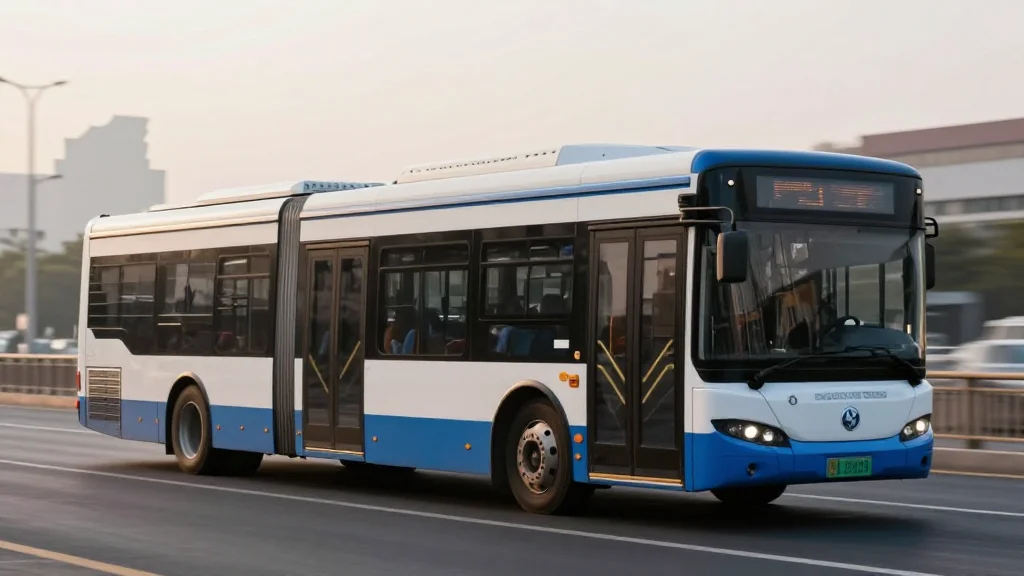
Wayne County Transit Millage Targets $57 Million to Expand Service Across Detroit and 16 Communities

Why It Matters
The Wayne County transit millage could reshape public‑transportation accessibility for more than a million residents across Detroit and its suburbs, directly influencing commuting patterns, labor market reach and environmental outcomes. By plugging service gaps, the funding aims to reduce car dependency, lower emissions and support equitable mobility for seniors, veterans and people with disabilities—groups historically underserved by the region’s fragmented transit landscape. Beyond the immediate service improvements, the millage serves as a test case for regional financing mechanisms that transcend municipal boundaries. If successful, it may inspire similar cross‑jurisdictional tax structures in other sprawling metros, prompting a shift away from piecemeal, city‑centric transit planning toward integrated, basin‑wide solutions.
Key Takeaways
- •Wayne County proposes a 0.9831‑mill tax ($0.98 per $1,000 taxable value) for 10 years.
- •Estimated first‑year revenue: $57 million to fund transit operations and expansions.
- •The levy would affect 17 municipalities, including Detroit, that currently opt out of SMART.
- •A lawsuit alleges the ballot language was approved in secret and the tax is too costly.
- •2025 state law signed by Gov. Whitmer ends opt‑out rights, forcing all county jurisdictions to contribute.
Pulse Analysis
The millage reflects a broader trend of metropolitan regions turning to dedicated taxes to fund transit, a strategy that gained traction after the federal infrastructure bill stalled on long‑term operational funding. Michigan’s approach is notable for its blend of property‑value based revenue and a legally mandated participation clause, which could mitigate the classic “free‑rider” problem that plagues regional transit authorities. By locking in a decade‑long revenue stream, the Wayne County Transit Authority can pursue capital projects—such as bus rapid transit lanes or electric fleet upgrades—without the annual uncertainty that has historically hampered SMART’s expansion plans.
Politically, the proposal underscores the tension between local fiscal sovereignty and the perceived necessity of regional coordination. The lawsuit’s focus on procedural transparency may resonate in other states where municipalities fear top‑down mandates. However, the Whitmer‑signed law signals a willingness to prioritize systemic connectivity over fragmented local control, a stance that could accelerate similar legislative moves in the Midwest. If voters approve the millage, Detroit and its suburbs could witness a measurable shift in ridership, reduced congestion on I‑75 and I‑94 corridors, and a modest but meaningful decline in per‑capita vehicle miles traveled—outcomes that align with both economic development goals and climate‑action targets.
Looking ahead, the real test will be the millage’s implementation. Effective allocation of the $57 million will require robust coordination between SMART, DDOT and emerging micro‑mobility providers. Missteps could erode public trust and fuel future opposition, while a well‑executed rollout could set a benchmark for how regional transit systems secure sustainable financing in an era of constrained federal aid.
Wayne County Transit Millage Targets $57 Million to Expand Service Across Detroit and 16 Communities
Comments
Want to join the conversation?
Loading comments...