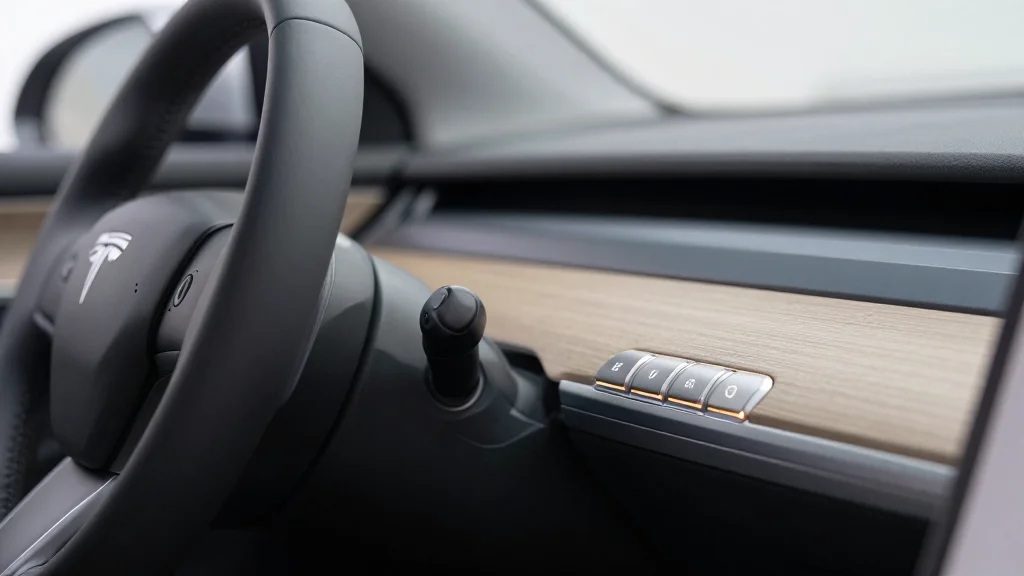
'We Will Do Buttons:' Polestar Promises More Physical Controls In Future Models
Companies Mentioned
Why It Matters
Physical controls reduce driver distraction and help Polestar meet emerging safety standards, giving it a competitive edge as consumers and regulators push back against screen‑only interiors.
Key Takeaways
- •Polestar 3 refresh will feature tactile steering‑wheel buttons
- •Customer feedback cited as primary driver for adding physical controls
- •EU NCAP and China MIIT require physical safety function controls
- •Physical knobs improve driver distraction safety versus touchscreens
- •Automakers reintroducing buttons to meet safety and usability demands
Pulse Analysis
The automotive market has been racing toward fully digital cabins, but driver fatigue and usability concerns are prompting a reversal. Polestar, known for its minimalist Scandinavian design, initially stripped its interiors to a single central touchscreen, leaving only a volume knob. Recent buyer surveys, however, revealed a strong preference for tactile feedback, especially for frequently used functions. By re‑introducing physical buttons on the Polestar 3, the brand aims to blend sleek aesthetics with practical ergonomics, addressing a growing pain point among tech‑savvy yet safety‑conscious consumers.
Regulatory pressure is accelerating this trend. The European New Car Assessment Programme (NCAP) now ties five‑star safety ratings to the presence of dedicated physical controls for essential actions such as turn signals, wipers, and emergency calls. A parallel mandate from China’s Ministry of Industry and Information Technology (MIIT) enforces similar requirements for domestic sales. These standards reflect a consensus that tactile interfaces reduce glance time and cognitive load, directly influencing crash avoidance metrics. Polestar’s decision therefore aligns with compliance timelines, mitigating the risk of costly redesigns later in the vehicle’s lifecycle.
Beyond compliance, the shift has strategic implications for the EV sector. Competitors like Tesla and Lucid have faced criticism for over‑reliance on touchscreens, prompting them to add physical knobs in recent updates. Polestar’s early adoption positions it as a user‑experience leader, potentially attracting buyers who value intuitive controls without sacrificing the brand’s high‑tech image. As more manufacturers adopt hybrid cockpit designs, the market may see a new benchmark where digital displays coexist with essential physical buttons, balancing innovation with safety and driver comfort.
'We Will Do Buttons:' Polestar Promises More Physical Controls In Future Models
Comments
Want to join the conversation?
Loading comments...