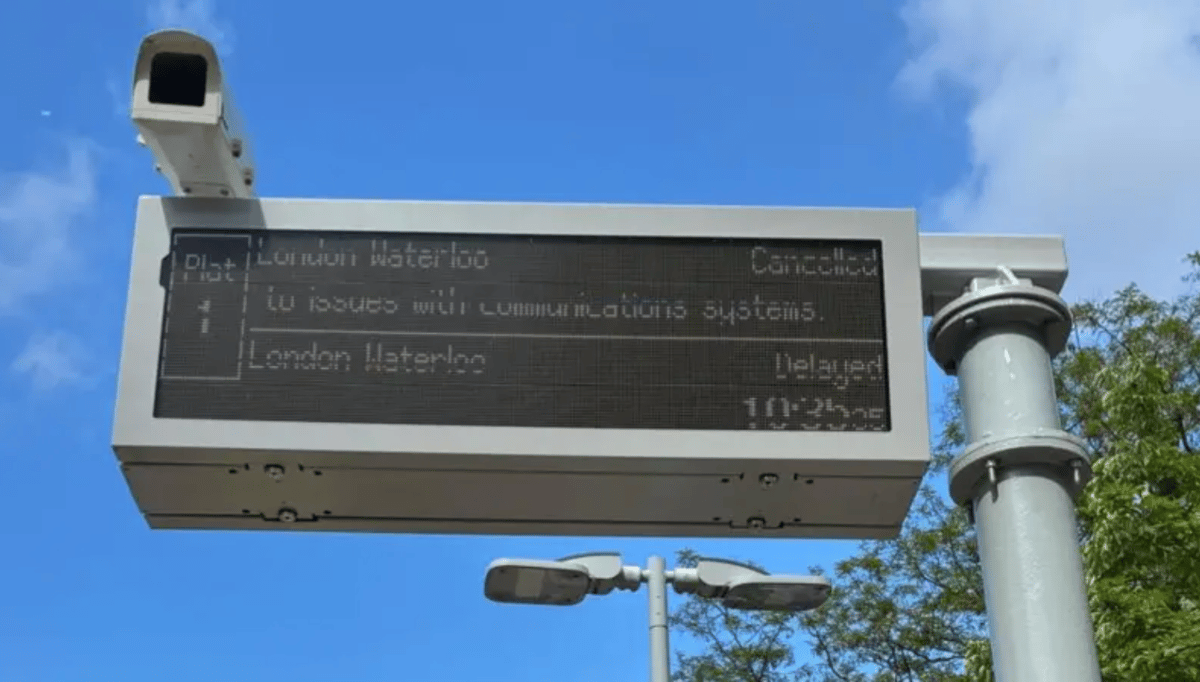
Weekly Wrap: GSM-R Meltdown Shows Need for Upgrade
Key Takeaways
- •GSM‑R outage halted services in southern England, exposing legacy rail radio reliance
- •FRMCS, a 5G‑derived system, is slated to replace GSM‑R by ~2030
- •Dual‑mode migration will require overlapping GSM‑R and FRMCS networks for years
- •Ofcom’s 1900‑1910 MHz band allocation accelerates UK’s FRMCS rollout
Pulse Analysis
The recent GSM‑R failure in southern England offered a rare glimpse into the hidden infrastructure that keeps trains moving. GSM‑R, standardized across Europe on a 900 MHz 2G platform, has long been praised for its interoperability, but its reliance on obsolete hardware now threatens safety‑critical communications. When the radio link falters, operators must curtail or stop services until they can guarantee that drivers receive emergency instructions, a scenario that directly translates into passenger delays and revenue loss.
Enter FRMCS, the Future Railway Mobile Communication System, which leverages 5G‑derived technologies to deliver higher bandwidth, lower latency, and robust cybersecurity. Developed by the UIC in partnership with ETSI and 3GPP, FRMCS will operate on dedicated 900 MHz (band n100) and 1900 MHz spectra, providing a unified platform for voice, data, and emerging autonomous‑train applications. The migration path is complex: rail operators must deploy dual‑mode terminals and manage overlapping networks while preserving safety margins. This hybrid approach could extend for a decade, demanding careful coordination of spectrum sharing, equipment upgrades, and procedural changes.
For the rail industry, the stakes are both operational and financial. Network Rail’s CP7 strategic plan earmarks FRMCS as a core investment, while Ofcom’s decision to free the 1900‑1910 MHz band from 2029 aligns the UK with continental standards and accelerates funding discussions. Delays in migration risk repeated disruptions, eroding passenger confidence and hindering the rollout of advanced services such as automatic train operation. Consequently, rail operators, regulators, and equipment vendors must align on timelines, cost‑sharing models, and safety certifications to ensure a seamless transition that supports the next generation of rail mobility.
Weekly Wrap: GSM-R meltdown shows need for upgrade
Comments
Want to join the conversation?