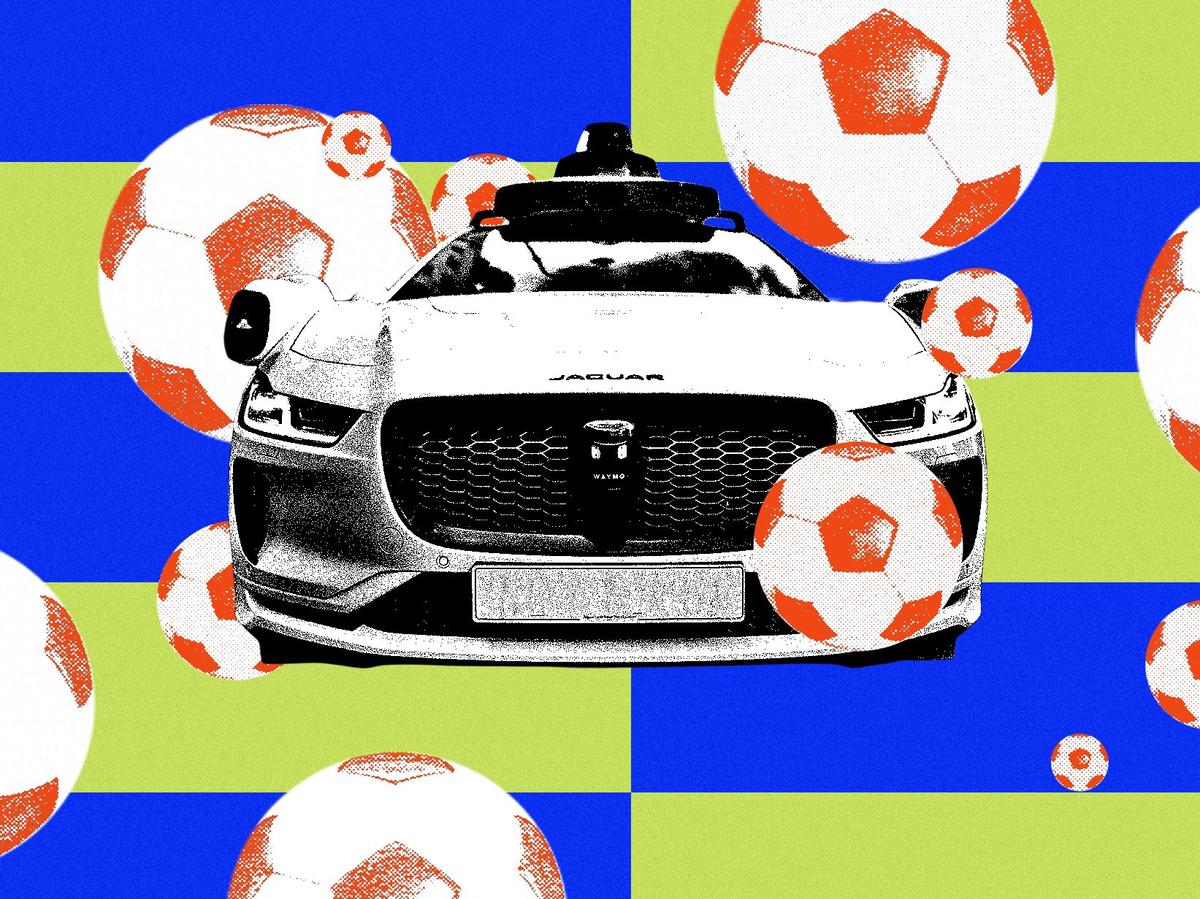
Welcome to the Waymo World Cup
Companies Mentioned
Why It Matters
The World Cup offers Waymo a rare showcase to prove autonomous mobility at scale, while exposing the technology to the logistical challenges of mass‑event traffic. Success or failure will influence public perception and regulatory attitudes toward robotaxis worldwide.
Key Takeaways
- •Waymo will serve six World Cup venues across five U.S. cities
- •Expected 6.5 million visitors could generate half‑a‑million weekly rides
- •Service expansions target 20 new U.S. markets plus London and Tokyo
- •Recent floods and construction concerns have forced temporary service suspensions
Pulse Analysis
Waymo’s involvement in the 2026 FIFA World Cup marks the first time an autonomous‑vehicle fleet will be deployed at a global sporting event. By covering six stadiums in five major metros, the robotaxi service aims to move a fraction of the estimated 6.5 million attendees, translating to roughly 500,000 rides per week. This exposure not only puts Waymo’s technology under the spotlight but also provides a live laboratory for testing fleet coordination, demand‑responsive routing, and multilingual app support across 13 countries.
The rollout, however, is not without hurdles. Recent floods forced Waymo to suspend service in several markets, and a nationwide software recall highlighted vulnerabilities in adverse weather. Construction zones around stadiums have also prompted a temporary halt to highway rides, underscoring the difficulty of navigating dynamic, high‑density environments. Compared with Uber and Lyft, Waymo’s single‑operator model could theoretically orchestrate more orderly pickup queues, yet the sheer volume of fans converging on limited roadways means congestion remains inevitable. The company’s partnership with local authorities, such as Santa Clara’s designated ride‑hail zones, illustrates the need for coordinated infrastructure.
Looking ahead, Waymo’s expansion agenda—20 new U.S. cities plus launches in London and Tokyo—signals confidence that autonomous mobility can scale beyond niche markets. Success at the World Cup could accelerate regulatory acceptance and encourage other venues to integrate robotaxi zones into their transportation plans. Moreover, the event may spur hybrid solutions that blend autonomous fleets with traditional public transit, offering a blueprint for future large‑scale deployments. For investors and industry watchers, the tournament serves as a litmus test for whether driverless cars can move from novelty to a reliable component of urban mobility ecosystems.
Welcome to the Waymo World Cup
Comments
Want to join the conversation?
Loading comments...