Why It Matters
Declining fuel‑tax receipts jeopardize the financing of critical transportation projects, forcing a costly overhaul of the nation’s funding model.
Key Takeaways
- •Gas‑tax holidays cut revenue while prices surge from Iran conflict.
- •EV adoption accelerates decline of traditional fuel‑tax collections.
- •Mileage‑based fees and tolls proposed as next‑generation user fees.
- •Federal Highway Trust Fund faces solvency risk without tax reform.
Pulse Analysis
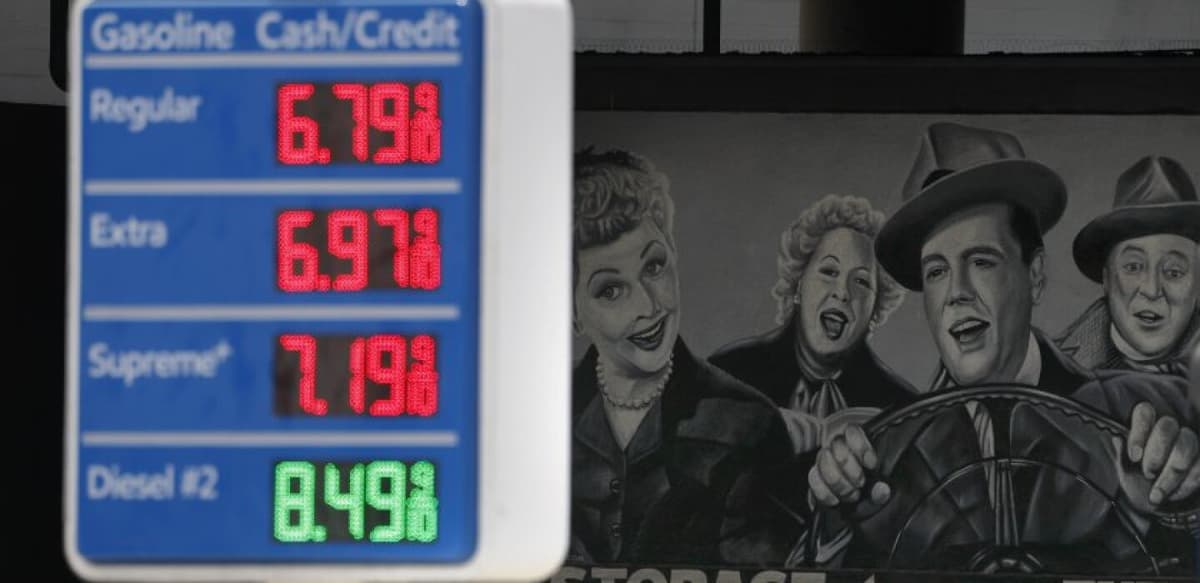
The surge in gasoline prices sparked by the Iran conflict has reignited calls to suspend or reduce fuel taxes, a move that instantly shrinks the revenue pool for the Highway Trust Fund. Historically, the federal gasoline excise of 18.8 cents per gallon and diesel’s 24.4 cents have underpinned road and bridge budgets, but they have been static for three decades. As Congress leans on general‑revenue appropriations to fill the gap, the fiscal strain becomes more visible, especially amid rising deficits and inflation‑driven spending.
Simultaneously, electric‑vehicle adoption is accelerating, cutting fuel‑tax collections at the source. States are already implementing EV‑specific registration fees—ranging from $260 in New Jersey to $50 in Hawaii—and experimenting with mileage‑based fees that track road usage more precisely. Toll expansions and congestion‑pricing pilots, like New York City’s, illustrate a broader shift toward usage‑based user fees. While these mechanisms promise a closer match between road wear and payment, they introduce privacy concerns, require sophisticated GPS or odometer reporting, and demand a unified national framework to avoid a patchwork of state rules.
Policymakers face a pivotal decision: raise stagnant gas taxes, risk accelerating the revenue decline, or transition to a comprehensive user‑fee system that balances equity, efficiency, and privacy. A coordinated federal approach could integrate tolls, mileage fees, and congestion charges into a modernized Highway Trust Fund, preserving infrastructure investment while reflecting the evolving vehicle fleet. The urgency is clear—without reform, the United States may confront a funding shortfall that hampers road safety, economic competitiveness, and climate goals.
We’ll Miss Gas Taxes When They’re Gone
Comments
Want to join the conversation?
Loading comments...