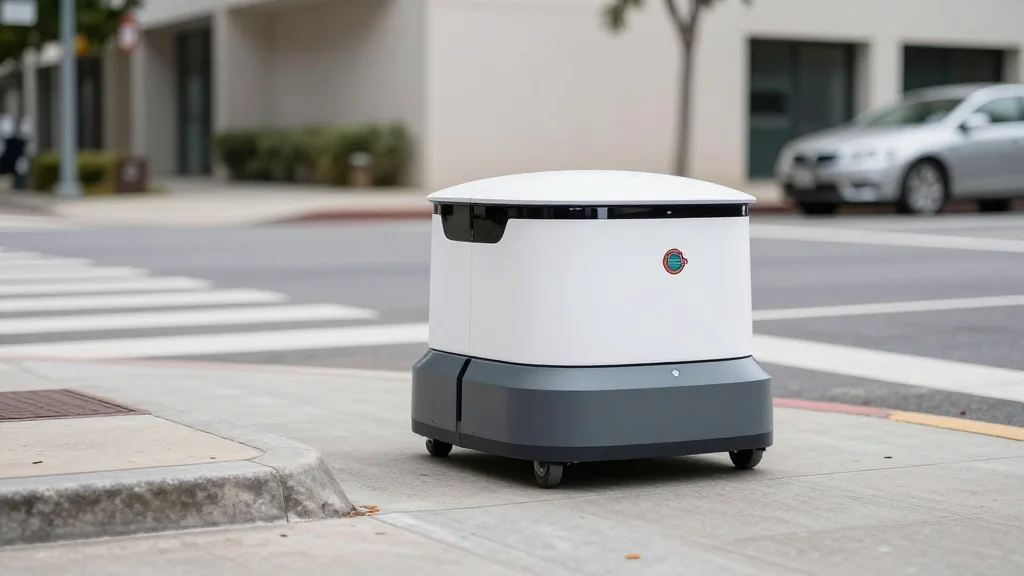
West Hollywood Makes Delivery Robots Paying Road Users
Why It Matters
By monetizing robot traffic, West Hollywood creates a new revenue stream for sidewalk upgrades while setting a regulatory precedent that could shape how cities manage autonomous delivery fleets nationwide.
Key Takeaways
- •West Hollywood requires robots to pay annual sidewalk fees.
- •Operators must share advertising revenue for accessibility upgrades.
- •Estimated revenue: $40k‑$80k annually for sidewalk improvements.
- •Robots can collect data to flag ADA compliance gaps.
- •Other cities explore bots for real‑time pedestrian traffic monitoring.
Pulse Analysis
The rapid deployment of autonomous delivery robots on U.S. sidewalks has prompted cities to rethink how public right‑of‑way is managed. West Hollywood’s licensing framework goes beyond safety rules, attaching a financial obligation to each robot operator. By tying fees and advertising‑revenue sharing to a dedicated accessibility fund, the city aims to address long‑standing sidewalk deficiencies without tapping general‑purpose budgets. This approach mirrors broader municipal efforts to capture value from emerging technologies that use public infrastructure.
Financially, the program’s projected $40,000‑$80,000 annual intake may seem modest, yet it represents a scalable model. As robot fleets expand, cumulative contributions could fund significant upgrades—ramp installations, tactile paving, and curb cuts—directly benefiting pedestrians with disabilities. Moreover, the data‑collection capability of these bots offers a dual benefit: real‑time identification of ADA violations and a data‑driven roadmap for future investments. Cities like Helsinki are already partnering with robot firms to monitor pedestrian flow, underscoring a shift toward data‑centric urban planning.
Industry observers see West Hollywood’s policy as a bellwether for nationwide regulation. By treating robots as paying road users, municipalities can offset maintenance costs and enforce compliance, while operators gain clearer rules of engagement. However, challenges remain, including ensuring equitable fee structures and protecting user privacy. As the autonomous delivery market matures, policymakers will likely refine licensing, fee, and data‑sharing standards, shaping a new ecosystem where technology, revenue, and public‑space stewardship intersect.
West Hollywood makes delivery robots paying road users
Comments
Want to join the conversation?
Loading comments...