What Are The Differences Between Billet And Forged Car Parts?

Why It Matters
Understanding the trade‑off helps manufacturers and enthusiasts select the optimal method for performance, cost, and durability, influencing everything from prototype development to final‑stage production in the automotive sector.
Key Takeaways
- •Billet parts are CNC‑machined from solid metal blanks
- •Forged parts undergo heat‑forming, aligning grain structure
- •Billet offers tighter tolerances, ideal for complex geometries
- •Forged components deliver superior strength for high‑load applications
- •Manufacturers blend both methods to balance cost, speed, and performance
Pulse Analysis
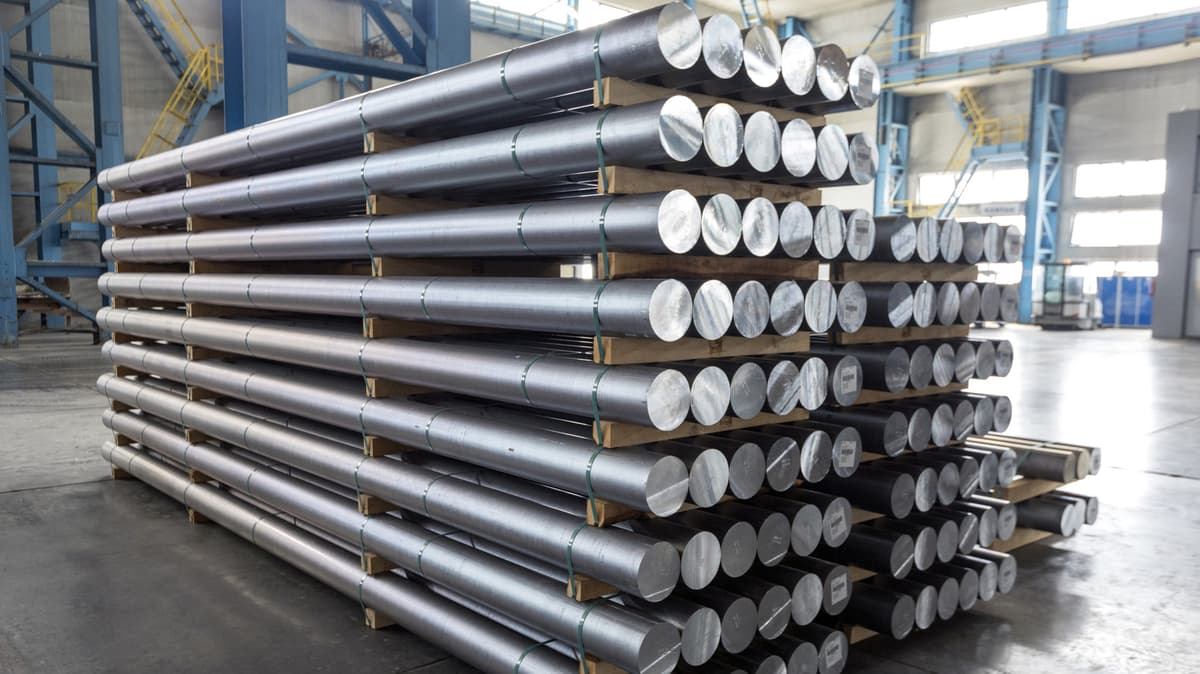
The distinction between billet and forged automotive components goes beyond a simple manufacturing label; it reflects two fundamentally different approaches to metalworking that have shaped performance engineering for decades. Billet parts originate from a solid forging blank that is precisely milled using computer‑numerical‑control (CNC) equipment. This process, popularized in the early 1970s by hot‑rod legend John Buttera, enables engineers to achieve intricate shapes and exacting tolerances without the need for costly re‑forging cycles. As a result, billet machining is favored for low‑volume runs, custom prototypes, and parts where dimensional accuracy—such as interior trim or specialty brackets—is paramount.
From a metallurgical perspective, forging excels at enhancing material strength. By heating the billet and compressing it under high pressure, the grain structure is refined and aligned, producing a denser, more resilient lattice. Smaller, uniformly oriented grains translate to higher fatigue resistance, making forged pistons, connecting rods, and crankshafts indispensable in high‑output engines that experience extreme stresses. Conversely, the cutting action of CNC machining can disrupt grain flow, potentially weakening the material if the part is subjected to heavy loads. Therefore, performance‑focused manufacturers often reserve forging for critical load‑bearing components while leveraging billet machining for rapid iteration and design flexibility.
The practical outcome for the automotive market is a hybrid strategy that balances cost, speed, and durability. Billet machining reduces lead times and tooling expenses, allowing small manufacturers and aftermarket tuners to bring innovative designs to market quickly. Forging, though more capital‑intensive, delivers the reliability required for production‑grade high‑performance vehicles, such as the $4‑million Bugatti Tourbillon. As additive manufacturing matures, the industry may see even tighter integration of these methods, but the core trade‑off—precision versus strength—will remain a central decision point for engineers and enthusiasts alike.
What Are The Differences Between Billet And Forged Car Parts?
Comments
Want to join the conversation?
Loading comments...