Companies Mentioned
Why It Matters
Understanding the nuances of D and S helps drivers choose between fuel efficiency and sportier performance, influencing purchase decisions and resale value in a competitive automotive market.
Key Takeaways
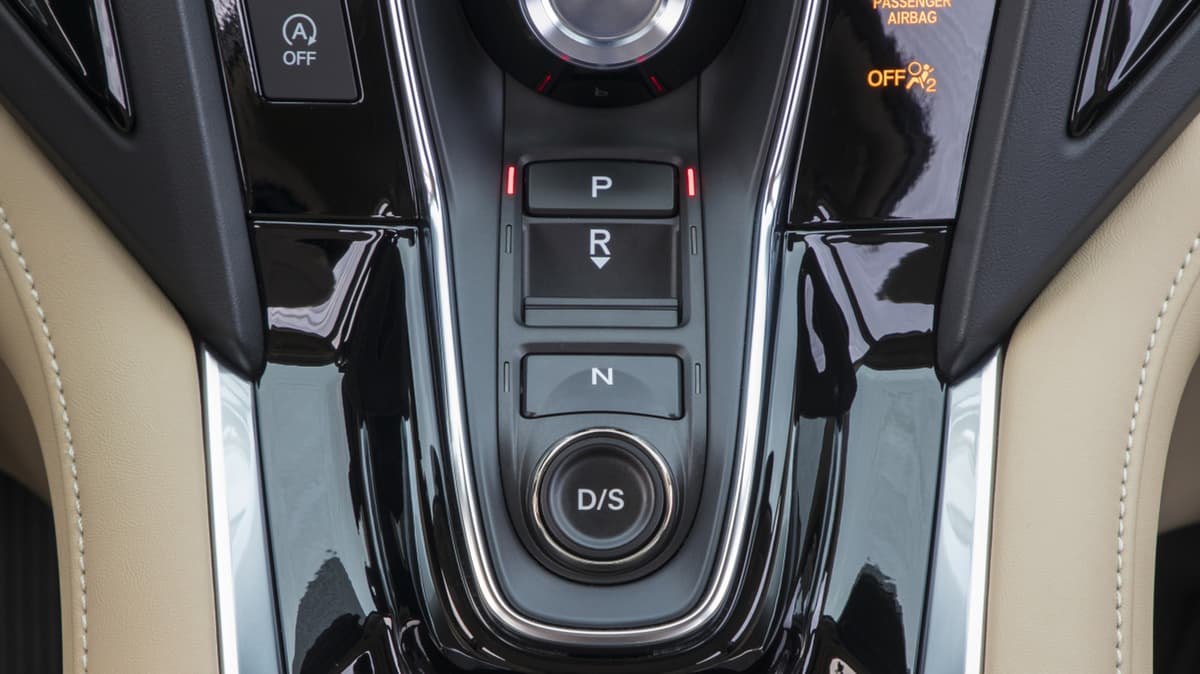
- •Honda/Acura use D/S toggle for Sequential SportShift mode
- •VW Group places D/S on selector lever, acting as Sport mode
- •S mode holds lower gears longer, raising revs and throttle response
- •Paddle shifters engage manual control only on Honda’s Sequential mode
- •Understanding D/S helps drivers optimize fuel efficiency versus performance
Pulse Analysis
The rise of sophisticated automatic transmissions has turned a simple "D" gear into a gateway for nuanced driving experiences. "D" still denotes the default drive mode, prioritizing smooth shifts and low engine speeds for optimal fuel economy. By contrast, "S" signals a shift toward performance, instructing the transmission to stay in lower gears longer, raise engine revs, and sharpen throttle response. This dual‑mode approach lets manufacturers cater to both commuter comfort and enthusiast demand without adding a separate manual gearbox.
Brand implementation diverges sharply. Honda and Acura bundle D/S into a dedicated button that toggles between conventional Drive and Sequential SportShift. In this mode, the transmission behaves like an automated manual, allowing drivers to upshift via paddles or let the system hold gears for a sportier feel. Volkswagen Group, including Audi and VW, integrates D/S directly on the shift lever, where pulling the lever switches to a traditional Sport mode that automatically adjusts shift points and throttle mapping. The physical placement and underlying software reflect each maker’s philosophy on driver engagement and cost efficiency.
For consumers, grasping these distinctions can affect ownership costs and driving satisfaction. Sport modes typically consume more fuel and may accelerate wear on clutch packs, but they also enhance acceleration and driver involvement—attributes prized in premium segments. As automakers push toward electrification, the line between drive‑by‑wire and traditional gear selectors blurs, yet the D/S concept persists as a familiar interface for performance tuning. Recognizing how D and S function across brands equips buyers to match vehicle dynamics with their daily needs, whether that’s maximizing miles per gallon or extracting every ounce of power from a ten‑speed automatic.
What Does D/S Mean On An Automatic Gear Shift?
Comments
Want to join the conversation?
Loading comments...