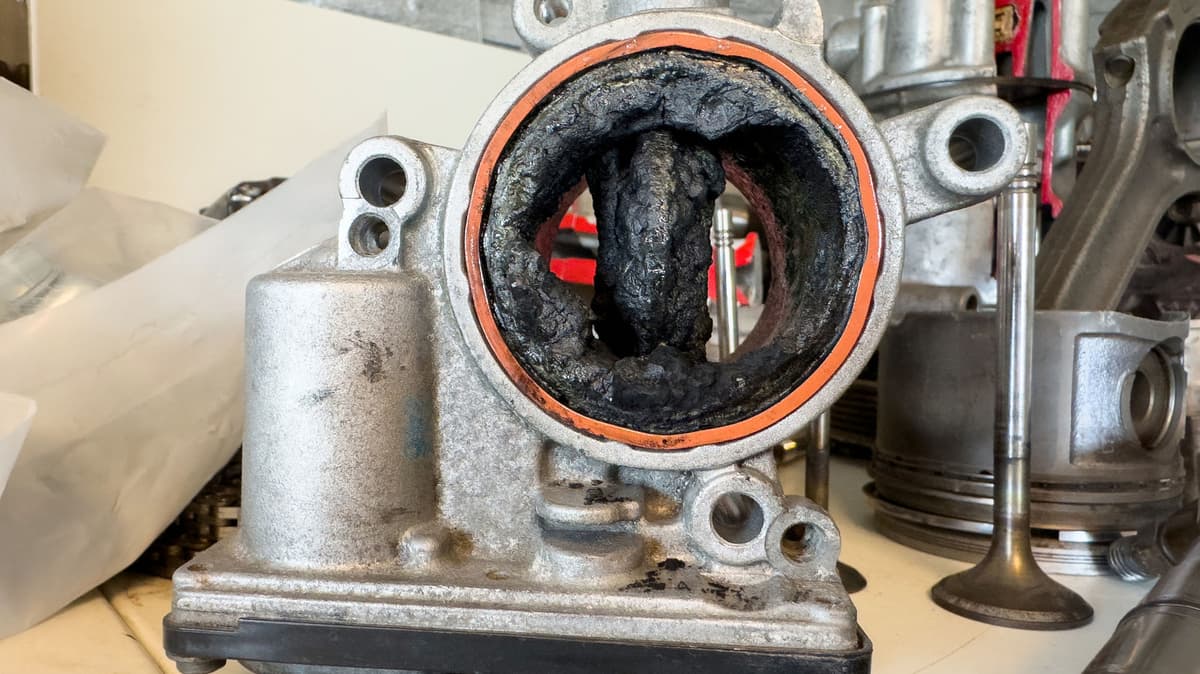
What Engine Parts Are Most Susceptible To Carbon Buildup?

Why It Matters
Carbon deposits erode engine performance, fuel economy, and emissions compliance, making maintenance a growing cost for modern vehicles. Understanding vulnerable components helps owners and service shops implement cost‑effective prevention and remediation strategies.
Key Takeaways
- •Intake valves are primary carbon buildup sites in GDi engines
- •Top‑Tier gasoline can cut valve deposits 45‑72% over 5,000 miles
- •Walnut blasting costs about $1,000 and removes deposits effectively
- •Synthetic oil reduces deposit formation versus conventional oil
- •Short trips increase pre‑ignition risk due to trapped carbon
Pulse Analysis
The rise of gasoline direct‑injection reshaped automotive engineering by allowing smaller, higher‑output engines that meet stringent fuel‑economy standards. However, the elimination of the fuel‑spray wash on intake valves introduced a new maintenance challenge: carbon deposits that cling to valve faces, head ports, and intake manifolds. These deposits form from incomplete combustion and are especially pronounced in engines without a secondary port‑injection system, leading to uneven airflow and reduced combustion efficiency.
When carbon accumulates, drivers notice rough idle, misfire codes, and a drop in power output. The deposits also raise the risk of low‑speed pre‑ignition in turbocharged GDi engines, a condition aggravated by short‑trip driving that prevents the engine from fully cooling. Over time, carbon on piston tops can cause ticking noises that evolve into knocking, while fouled injectors restrict fuel delivery, further compromising mileage and emissions compliance. Together, these symptoms translate into higher operating costs and more frequent service visits.
Mitigation hinges on both preventive and corrective actions. Using Top‑Tier gasoline—validated to cut intake‑valve deposits by up to 72 % over 5,000 miles—combined with high‑quality synthetic oil reduces the rate of carbon formation. Aftermarket catch cans capture crankcase vapors, preventing oil mist from baking onto valves. For entrenched buildup, professional cleaning methods like walnut blasting (approximately $1,000) or solvent‑based chemical treatments restore performance, though they address symptoms rather than the underlying design limitation. A balanced regimen of premium fuel, synthetic lubrication, and periodic cleaning offers the most sustainable path to preserving GDi engine health.
What Engine Parts Are Most Susceptible To Carbon Buildup?
Comments
Want to join the conversation?
Loading comments...