What Happens To Spirit Airlines’ Planes Now That It’s Gone?
Companies Mentioned
Why It Matters
The disposition of Spirit’s fleet reshapes the low‑cost carrier market and creates opportunities for airlines to acquire aircraft at discounted rates, while also affecting airport capacity and employment in the sector.
Key Takeaways
- •Spirit's 172 aircraft now split between lessors and storage.
- •Most planes stored at Phoenix Goodyear Airport under desert conditions.
- •Leased jets will be returned, potentially sold to other airlines.
- •JetBlue adds routes at former Spirit hub FLL, filling gap.
- •17,000 staff laid off, over 4,000 in Florida.
Pulse Analysis
When an airline files for bankruptcy, its aircraft become assets in a complex redistribution process. Most carriers operate with a mix of owned and leased planes; lessors typically repossess leased jets, inspect them, and place them on the secondary market. This cycle can accelerate aircraft turnover, allowing other airlines to acquire modern, fuel‑efficient fleets without the capital outlay of a new purchase. The process also involves regulatory approvals, maintenance checks, and often a repaint to align with the new carrier’s brand.
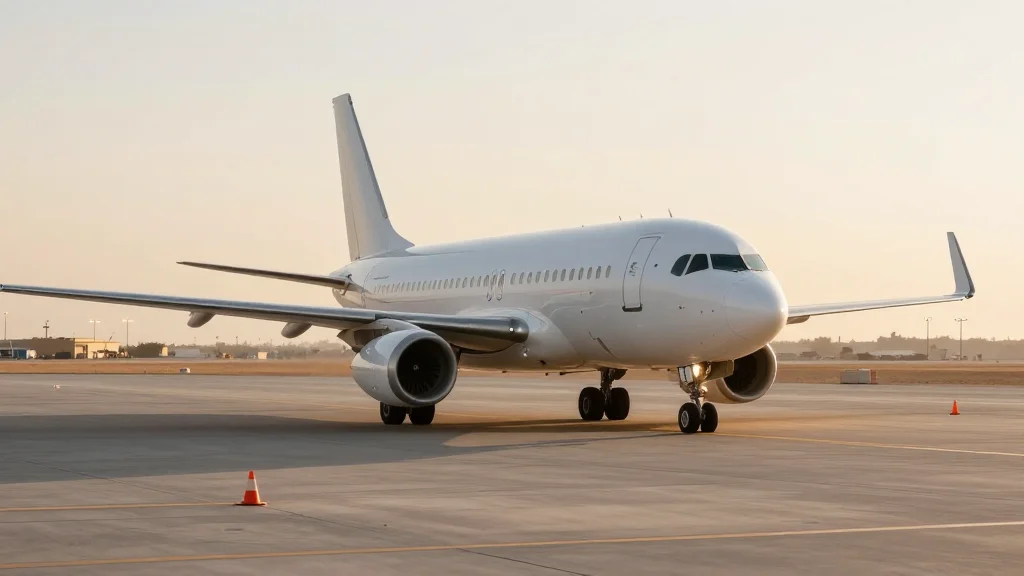
Spirit’s fleet, now largely under the control of lessors, is being stored at Phoenix Goodyear Airport, a desert facility prized for its low humidity and minimal corrosion risk. According to aviation analytics firm Cirium, 124 of the 172 aircraft are managed by lessors, leaving only 48 directly owned by Spirit. These stored jets are subject to periodic inspections and may be sold individually or in bulk to carriers seeking to expand capacity, especially as demand rebounds post‑pandemic. The desert climate reduces storage costs and preserves airframe integrity, making the aircraft more attractive to prospective buyers.
The broader industry feels the ripple effects. Spirit’s exit removes a major low‑cost competitor, potentially tightening fare competition on routes it once dominated. JetBlue’s swift introduction of new flights from Fort Lauderdale aims to capture displaced demand, illustrating how carriers can leverage gaps left by bankrupt rivals. Meanwhile, the layoff of 17,000 employees underscores the human cost of airline failures, while the redistribution of aircraft may stimulate ancillary markets such as aircraft refurbishment, parts salvage, and leasing services, reshaping the competitive landscape for years to come.
What Happens To Spirit Airlines’ Planes Now That It’s Gone?
Comments
Want to join the conversation?
Loading comments...