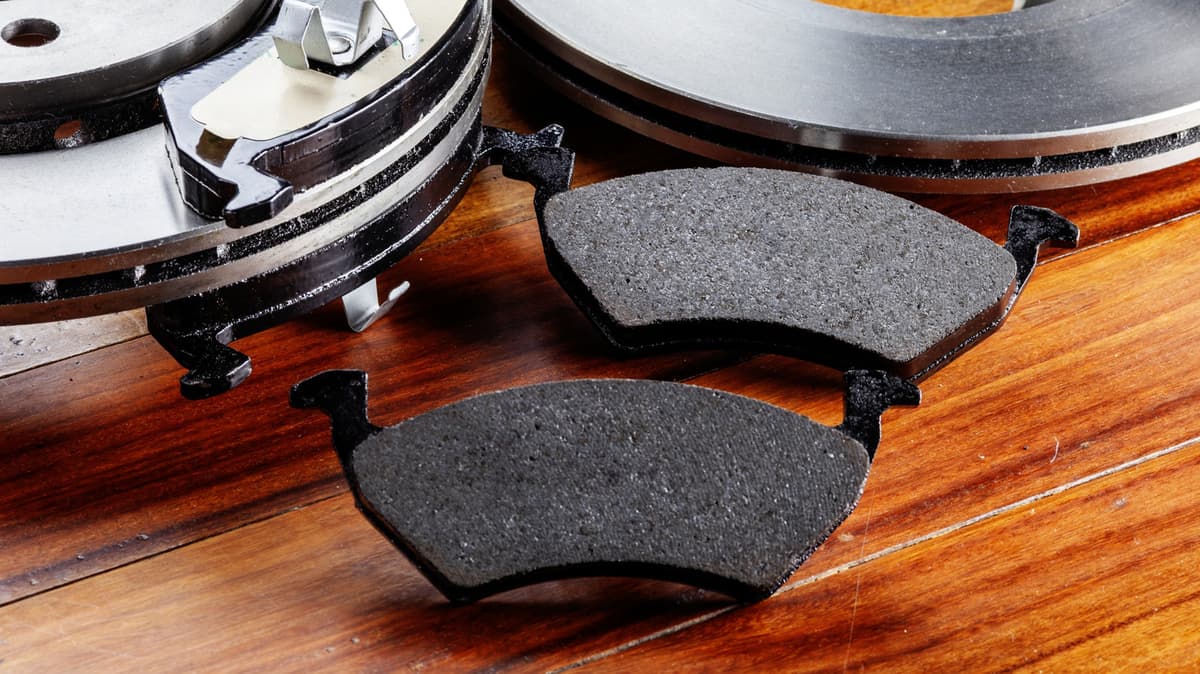
What Happens When You Don't Bed Your Brakes The Right Way
Why It Matters
Correct brake bedding maximizes stopping performance and extends component life, directly affecting vehicle safety and ownership costs. Ignoring it can increase maintenance expenses and compromise driver confidence on the road.
Key Takeaways
- •Improper brake bedding causes judder, glazing, and brake fade.
- •Bedding transfers pad material, achieving adherent friction for optimal stopping.
- •30‑30‑30 rule or similar method completes bedding in ~30 minutes.
- •Drive 10‑15 minutes after bedding before cooling to avoid warping.
Pulse Analysis
Brake bedding is a short, controlled break‑in that creates a uniform layer of pad material on the rotor surface. The process balances adhesive and abrasive friction, allowing the phenolic resin binder in the pads to cure properly. By heating the pads through a series of moderate stops—often described as the 30‑30‑30 rule—drivers ensure the pads achieve maximum coefficient of friction, which translates into consistent pedal feel and reliable stopping distances. This step is especially critical for high‑performance or aftermarket brake kits, where the material composition differs from stock components.
When bedding is omitted or performed aggressively, the pad material can smear unevenly, producing high‑spot and low‑spot rotors that manifest as brake judder. Glazing— a glass‑like coating on the pad face—reduces friction dramatically, while brake fade emerges as a spongy pedal due to vaporized resins forming a gas layer. These symptoms not only degrade safety but also accelerate wear, leading to premature rotor replacement and higher maintenance bills. Automotive service shops often see increased warranty claims linked to improper break‑in, underscoring the economic impact on manufacturers and owners alike.
For everyday drivers, the recommended approach is simple: find a safe stretch of road, perform a series of controlled stops from 40 mph to 10 mph, then repeat at higher speeds, and finally coast for 10‑15 minutes before parking. This routine takes roughly half an hour and eliminates most of the risks associated with new brakes. As vehicles become increasingly equipped with advanced driver‑assist systems, maintaining optimal brake performance remains a foundational safety practice, reinforcing the broader trend of proactive vehicle maintenance.
What Happens When You Don't Bed Your Brakes The Right Way
Comments
Want to join the conversation?
Loading comments...