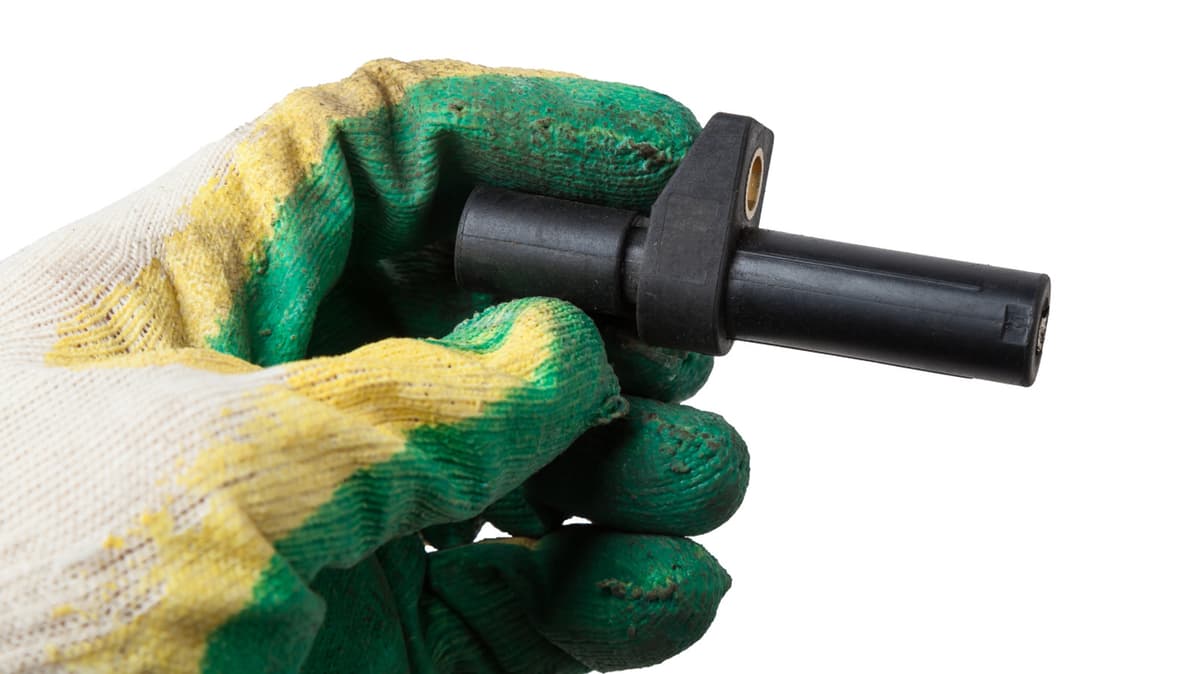
What Happens When Your Engine's Crankshaft And Camshaft Sensors Go Bad?

Why It Matters
Sensor failures directly impair engine performance and can trigger costly repairs, so early detection protects vehicle reliability and owner expenses. Understanding the symptoms and costs helps both consumers and service shops manage maintenance more efficiently.
Key Takeaways
- •Crankshaft sensor failures trigger P0335 error code.
- •Camshaft sensor failures trigger P0340 error code.
- •Typical sensor lifespan is 100,000‑150,000 miles.
- •Replacement parts cost $40‑$300; labor $75‑$400.
- •Heat, moisture, and wiring issues accelerate sensor wear.
Pulse Analysis
Modern engines rely on precise timing data from crankshaft and camshaft position sensors to synchronize combustion events. The crankshaft sensor monitors rotational speed, allowing the ECU to calculate spark timing and fuel delivery, while the camshaft sensor informs valve opening sequences, especially in engines equipped with variable valve timing. Accurate sensor input ensures optimal power output, emissions compliance, and fuel efficiency, making these components indispensable for both conventional and high‑performance powertrains.
When a sensor degrades, the ECU may misinterpret engine conditions, leading to error codes such as P0335 for the crankshaft and P0340 for the camshaft. Technicians typically use an OBD‑II scanner to retrieve these codes, but a thorough diagnosis must also verify wiring integrity, connector corrosion, and ECU health to avoid replacing a functional sensor unnecessarily. Preventive measures—regular coolant system checks, protecting sensor wiring from exposure, and addressing oil leaks—can extend sensor life and reduce unexpected failures.
Repair costs vary by vehicle make and labor rates, but parts are generally affordable, with crankshaft sensors priced between $40 and $150 and camshaft sensors between $100 and $300. Labor can dominate the total expense, especially on models where sensor access requires extensive disassembly. DIY enthusiasts equipped with the proper tools can save on labor, yet the complexity of sensor placement often warrants professional expertise. Understanding these factors helps owners gauge total cost of ownership and prioritize timely maintenance, ultimately preserving engine performance and resale value.
What Happens When Your Engine's Crankshaft And Camshaft Sensors Go Bad?
Comments
Want to join the conversation?
Loading comments...