What Happens When Your Power Steering Fluid Is Low?
Companies Mentioned
Why It Matters
Low power‑steering fluid compromises vehicle control and can lead to costly pump failure, affecting safety and repair expenses. Understanding the issue helps owners avoid downtime and maintain steering reliability.
Key Takeaways
- •Low fluid causes stiff steering and whining noises.
- •Leaks are primary cause; check reservoir and hoses.
- •Top up with correct fluid, then monitor for recurring symptoms.
- •Hydraulic systems use engine-driven pump; EPS replaces them for efficiency.
- •First production car with power steering: 1951 Chrysler Imperial.
Pulse Analysis
Hydraulic power steering remains a staple in many legacy vehicles, using a dedicated pump to pressurize a specialized fluid that assists the driver’s input. The fluid not only lubricates moving parts but also creates the hydraulic force needed to turn the rack with minimal effort. When the reservoir falls below the minimum mark, the pump can draw in air, producing the characteristic groan and making the wheel feel heavy. Recognizing these symptoms early prevents the pump from running dry, which can cause catastrophic wear and expensive replacements.
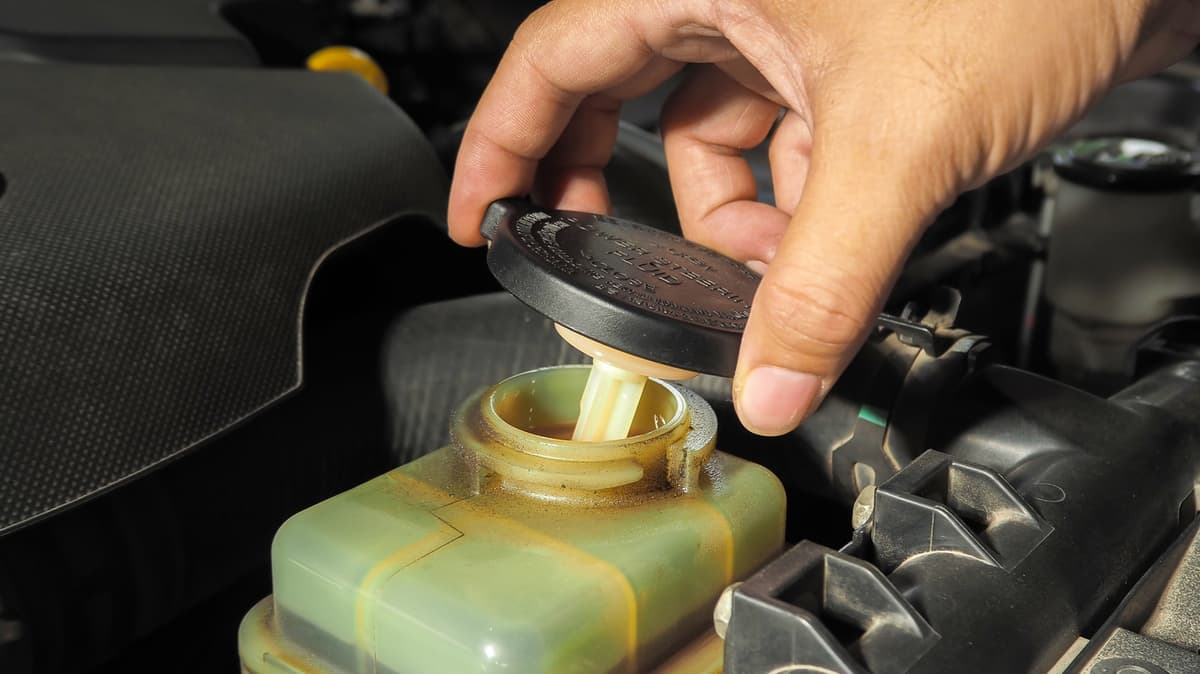
Routine maintenance is straightforward: consult the owner’s manual, locate the clear reservoir, and verify the fluid level against the “minimum” and “maximum” indicators. If low, add the manufacturer‑specified fluid—typically a synthetic hydraulic oil—ensuring the cap is securely resealed to avoid contamination. After refilling, a short test drive can confirm whether the steering returns to normal. Persistent stiffness or noise usually signals a leak in the high‑pressure lines, the rack, or the pump seal, requiring a mechanic’s diagnosis. Addressing leaks promptly saves on labor costs and prevents the pump from overheating, which can degrade fuel efficiency and increase emissions.
The automotive industry is gradually phasing out hydraulic systems in favor of electric power steering (EPS). EPS eliminates fluid‑related maintenance, reduces engine load, and integrates seamlessly with driver‑assistance features such as lane‑keep and automated parking. While EPS offers superior fuel economy and reliability, many consumers still own vehicles with hydraulic setups, making knowledge of fluid health essential. As regulations tighten around emissions and safety, the shift toward EPS is expected to accelerate, but the legacy fleet will continue to demand proper fluid management for years to come.
What Happens When Your Power Steering Fluid Is Low?
Comments
Want to join the conversation?
Loading comments...