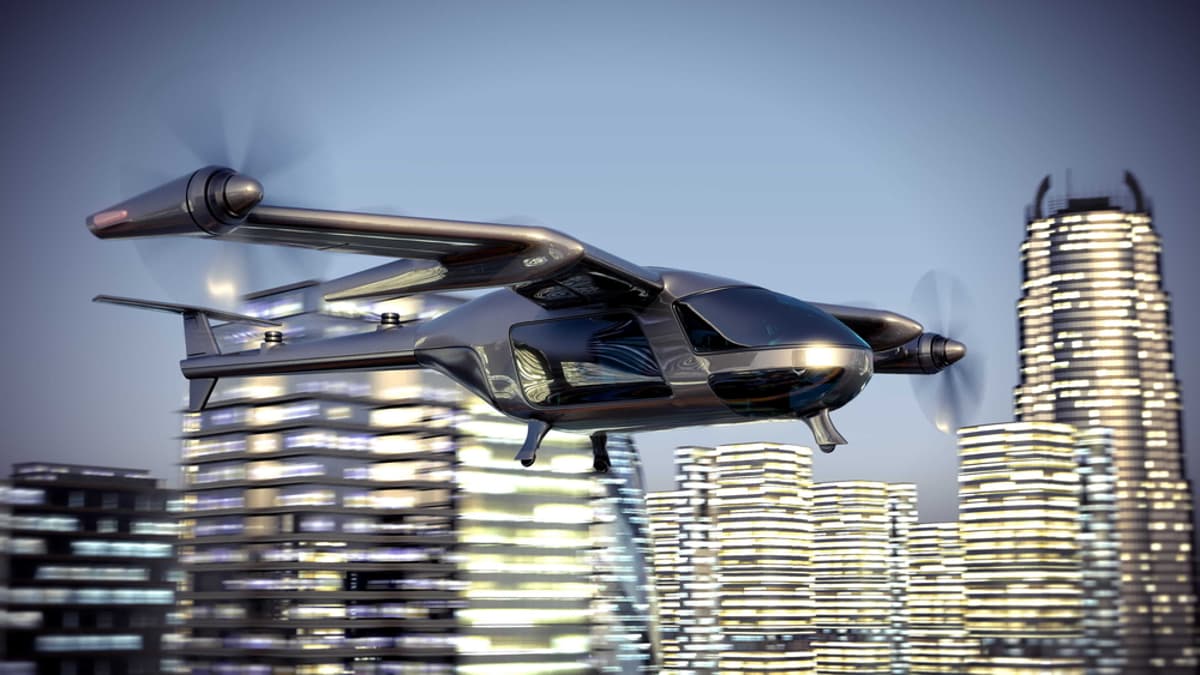
What Is a Drone? And an eVTOL? Are They the Same?
Companies Mentioned
Why It Matters
These developments accelerate the regulatory and technological pathway for scalable urban air mobility, reshaping how airlines, manufacturers, and regulators will bring passenger‑ready eVTOL services to market.
Key Takeaways
- •Joby’s NYC flights use experimental FAA Type Inspection Authorization.
- •FAA’s frameworks favor remote‑pilot operations for scalable urban air mobility.
- •Distributed electric propulsion enables lighter, higher‑payload eVTOL designs.
- •Pilots will transition from cockpit operators to remote fleet supervisors.
- •Archer secured a UAE Restricted Type Certificate to accelerate certification.
Pulse Analysis
The recent Joby Aviation flights over Manhattan illustrate a pivotal moment for advanced air mobility (AAM). While still under an experimental FAA Type Inspection Authorization, the missions signal the transition from early‑stage prototypes to the rigorous certification regime required for passenger service. This shift underscores the FAA’s strategic push toward remote‑pilot and autonomous operations, a stance reflected in initiatives like Innovate28 and emerging detect‑and‑avoid standards. By laying a regulatory foundation that anticipates high‑density, low‑altitude traffic, the agency is positioning the United States to lead a future where thousands of eVTOLs can safely share the skies.
From a technology perspective, modern eVTOLs are built around distributed electric propulsion, high‑bandwidth sensors, and sophisticated flight‑control software. These elements shift the aircraft’s “brain” from a physical cockpit to a digital core, enabling lighter structures, greater payload capacity, and reduced maintenance complexity. The move away from traditional VFR/IFR rules toward a yet‑to‑be‑finalized digital flying regime (DFR) reflects how software‑defined flight can deliver higher safety margins than human pilots alone. Companies like Archer are already seeking certification outside the U.S., such as the UAE’s Restricted Type Certificate, to amass flight hours and accelerate global approval pathways.
Human factors are evolving alongside hardware. Early AAM operations will retain onboard pilots to build public trust, but the long‑term vision casts pilots as remote mission managers overseeing multiple aircraft simultaneously. This supervisory model mirrors trends in rail, robotics, and spacecraft operations, where expertise is applied at the system level rather than the individual vehicle. As autonomy matures and regulatory confidence grows, the pilot’s role will become a strategic asset, ensuring safety while unlocking the scalability essential for urban air taxis to become a mainstream transportation option.
What is a Drone? And an eVTOL? Are they the Same?
Comments
Want to join the conversation?
Loading comments...