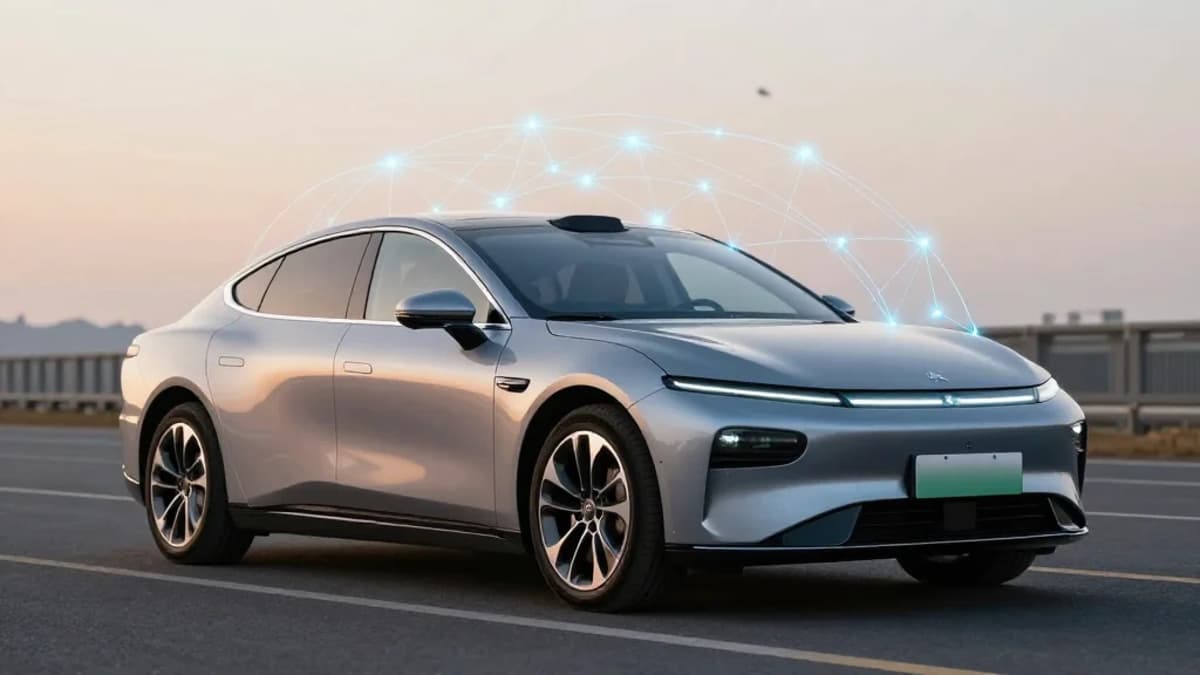
What Is a Software-Defined Vehicle (SDV) and Why Do They Matter?
•March 3, 2026
0
Companies Mentioned

Why It Matters
SDVs turn vehicles into upgradable digital products, boosting customer value, safety compliance, and recurring revenue for manufacturers. The shift accelerates the automotive industry's convergence with the tech sector, reshaping competitive dynamics.
Key Takeaways
- •Software now drives core vehicle functions
- •OTA updates extend vehicle lifespan and value
- •Subscription services create recurring revenue streams
- •OEMs partner with tech firms for SDV platforms
- •SDVs accelerate innovation cycles like smartphones
Pulse Analysis
The rise of software-defined vehicles marks a fundamental re‑engineering of automotive design, where a unified operating system orchestrates powertrain, safety, infotainment, and connectivity. By consolidating these functions onto high‑performance processors, manufacturers can push updates much like smartphone apps, delivering new driver‑assist features or performance tweaks without physical recalls. This flexibility not only reduces warranty costs but also extends the perceived lifespan of a vehicle, keeping it technologically current throughout its ownership.
From a business perspective, SDVs unlock a suite of monetisation opportunities. Over‑the‑air (OTA) capabilities enable automakers to roll out subscription‑based services—ranging from advanced driver‑assistance packages to premium infotainment suites—creating a steady revenue stream beyond the initial sale. Real‑time software patches also enhance safety compliance, allowing regulators to be met instantly, which mitigates recall risks. Moreover, an open‑app ecosystem invites third‑party developers to create bespoke experiences, further differentiating brands and deepening customer engagement.
The competitive landscape is rapidly coalescing around strategic alliances between traditional OEMs and technology specialists. Volvo and Daimler’s joint venture, Tata Elxsi’s AVENIR platform, BlackBerry QNX’s Alloy Kore, and Renesas’s R‑Car suite illustrate a trend toward shared, modular SDV architectures that lower development costs and accelerate time‑to‑market. As these collaborations mature, scalability and sustainability become central goals—optimising energy consumption and prolonging vehicle life cycles. By 2030, shared platforms among Nissan, Honda, and potentially Toyota could set industry standards, cementing software as the primary value driver in the next generation of automobiles.
What is a Software-Defined Vehicle (SDV) and why do they matter?
0
Comments
Want to join the conversation?
Loading comments...