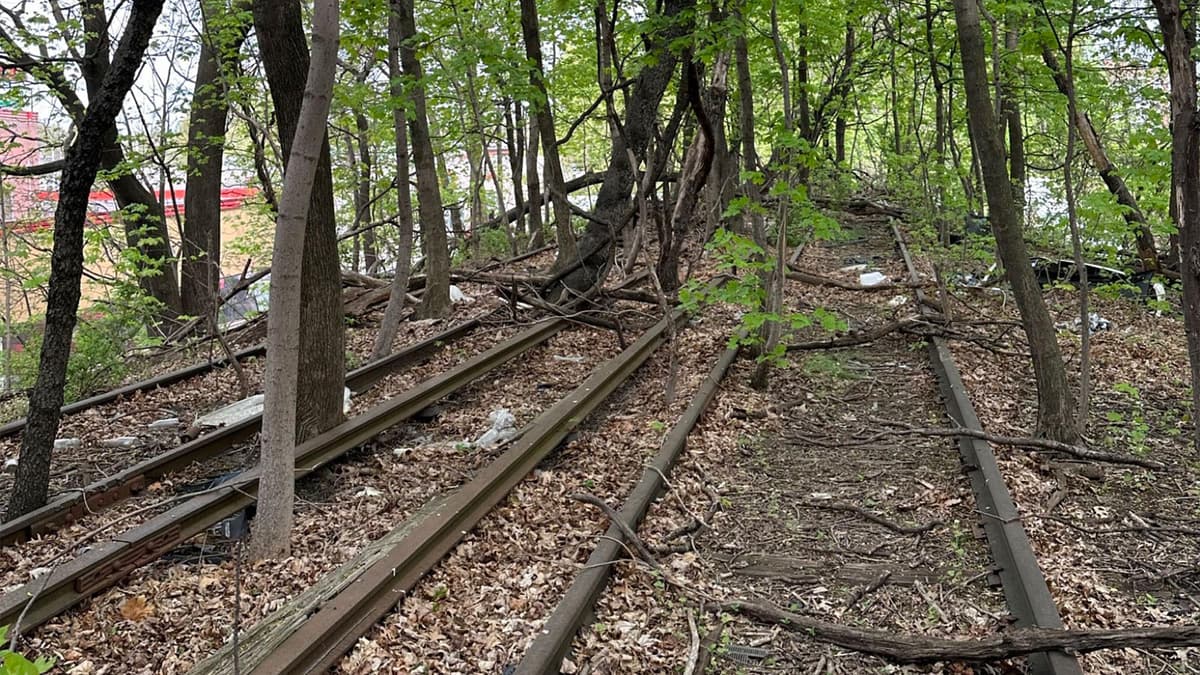
What Is the Best Use for Old Railroad Tracks? New Yorkers Have Opinions.
Why It Matters
The decision will determine whether Queens gains critical transit capacity to curb car use and support growing commuter demand, or prioritizes park access that addresses equity gaps in underserved neighborhoods.
Key Takeaways
- •QueensWay park project gets $43 million in mayoral budget.
- •QueensLink subway extension estimated cost $3.5‑$5.9 billion, serves 39‑75k riders.
- •Phase 1 of QueensWay (5‑acre linear park) starts construction 2026.
- •Federal grant for QueensWay Phase 2 rescinded, delaying expansion.
- •Park would improve equity for four underserved Queens neighborhoods.
Pulse Analysis
Across the United States, disused rail corridors have become a playground for cities seeking to blend recreation with sustainable mobility. Projects like the Atlanta Beltline and the 22‑mile High Line have demonstrated how linear parks can spur economic development, increase property values, and attract tourism. Yet many municipalities grapple with the trade‑off between preserving these green arteries and reinstating transit service that can alleviate congestion and reduce emissions. The Queens debate mirrors this national tension, highlighting the need for flexible design frameworks that accommodate both uses where feasible.
In Queens, the numbers sharpen the controversy. A 2024 MTA study placed the cost of the QueensLink extension between $5.9 billion and $8.1 billion, projecting 39,000 to 75,000 daily riders and a modest reduction of roughly 15,000 cars. Independent analysts argue the true cost may be nearer $3.5 billion, with higher ridership potential. By contrast, the QueensWay park is budgeted at about $350 million for its first phase, promising immediate equity gains for four neighborhoods that rank among the city’s lowest in park access. The divergent cost‑benefit profiles force policymakers to weigh long‑term transit capacity against short‑term community health and recreation.
Political dynamics now dictate the project’s trajectory. Mayor Mamdani’s inclusion of $43 million for QueensWay signals a commitment to green space, while his office insists the park does not preclude future rail construction. However, once ground is broken, the logistical and legal hurdles to retrofitting a subway line increase dramatically, as experts warn. The outcome will serve as a case study for other cities wrestling with legacy infrastructure, illustrating how funding decisions, community advocacy, and inter‑agency coordination can tip the balance between a park and a rail line.
What is the best use for old railroad tracks? New Yorkers have opinions.
Comments
Want to join the conversation?
Loading comments...