What Is Turbulent Jet Ignition And How Is It Different From An Everyday Spark Plug?

Companies Mentioned
Why It Matters
TJI boosts power, efficiency and emissions performance, giving Jeep a competitive edge while highlighting a technology that could reshape powertrain design if cost barriers fall.
Key Takeaways
- •Jeep's Hurricane 4 delivers 324 hp from a 2.0 L engine.
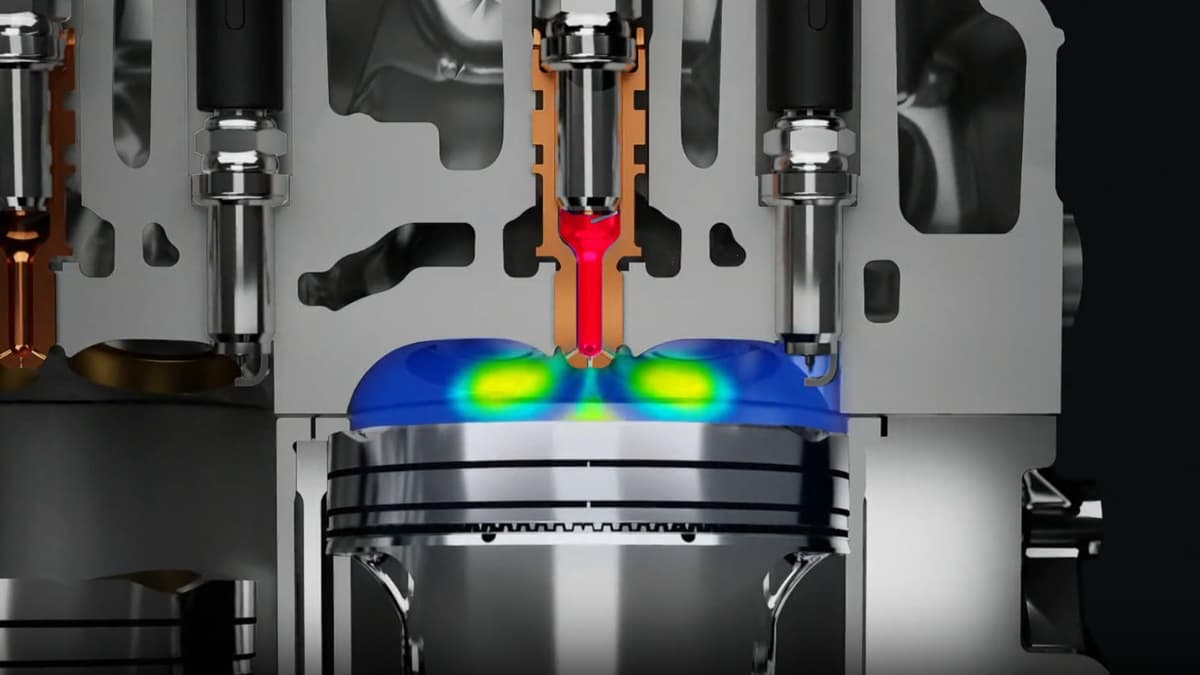
- •Turbulent Jet Ignition uses a pre‑ignition chamber and jet flames.
- •TJI enables a 12:1 compression ratio, 10 % better fuel economy.
- •System cuts knock risk, allowing higher power output.
- •Higher hardware cost limits TJI adoption in mass‑market cars.
Pulse Analysis
Turbulent Jet Ignition, a concept born in the 1950s and refined on Formula 1 circuits since the mid‑2010s, finally reaches a broader audience through Jeep’s 2026 Grand Cherokee. While the technology still relies on conventional spark plugs, a small pre‑ignition chamber creates a burst of flame that shoots through multiple ports, igniting the main cylinder volume in a fraction of a second. This rapid, multi‑directional combustion mirrors the way a cluster of blow‑torches would start a fire, delivering a more uniform burn than a single‑spark approach.
The engineering payoff is tangible. By delivering heat instantly across the chamber, TJI suppresses knock, permitting a 12:1 compression ratio that would otherwise be off‑limits for a gasoline engine. The result is a 20 % power uplift—324 hp from a modest 2.0‑liter block—and a 10 % reduction in fuel consumption compared with the outgoing inline‑4. The leaner burn also trims nitrogen‑oxide emissions and particulate formation, aligning the powertrain with tightening EPA standards without sacrificing performance.
Despite these gains, widespread adoption stalls because the extra hardware—additional injectors, a pre‑chamber and reinforced valve train—adds material and assembly costs. For manufacturers already meeting fuel‑efficiency mandates, the incremental expense is hard to justify. However, as regulatory pressure intensifies and consumers demand both power and sustainability, the cost‑benefit calculus may shift. Jeep’s move could act as a catalyst, prompting other brands to explore TJI or similar advanced ignition schemes as a pathway to higher efficiency and lower emissions.
What Is Turbulent Jet Ignition And How Is It Different From An Everyday Spark Plug?
Comments
Want to join the conversation?
Loading comments...