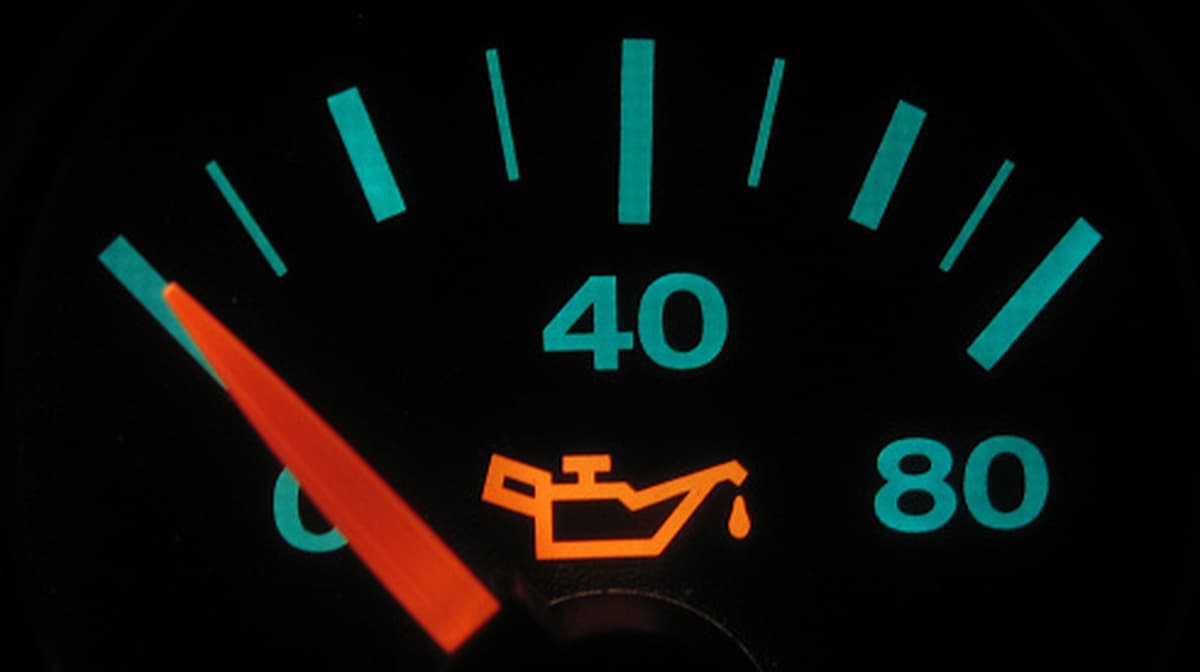
What Might Be Causing Your Low Engine Oil Pressure, And What Fixes We'd Be Trying First

Why It Matters
Low oil pressure can cause catastrophic engine damage, leading to costly repairs or total loss, making early detection and proper maintenance critical for vehicle owners and the automotive service market.
Key Takeaways
- •Check oil level; low level triggers warning light.
- •Use correct viscosity oil; wrong grade reduces pressure.
- •Inspect for leaks around pan, filter, valve cover.
- •Faulty sensor replacement costs ~$80 parts, $180‑$240 labor.
- •Worn rings or pump can require $1,000+ overhaul.
Pulse Analysis
Low oil pressure warnings are a frequent yet often misunderstood symptom in today’s vehicles. Because many newer models have eliminated the traditional pressure gauge, drivers depend on a dashboard light that can appear suddenly, prompting immediate action. Understanding that normal oil pressure typically sits between 25 and 65 psi helps owners gauge the severity of the alert and avoid unnecessary panic. The key is to treat the warning as a call to inspect the engine rather than ignore it, especially since prolonged operation under low pressure can quickly erode critical components.
The most common culprits are straightforward: insufficient oil volume, incorrect viscosity, and a clogged filter. A quick dipstick check confirms whether the oil sits between the low (L) and high (H) marks; if not, topping up with the manufacturer‑specified grade often resolves the issue. Viscosity matters because oil that is too thin may not maintain adequate film strength, while overly thick oil can strain the pump. Additionally, a blocked filter restricts flow, mimicking low‑pressure symptoms. Beyond these basics, technicians should examine seals, gaskets, and the oil pan for leaks, as even minor seepage can deplete the reservoir and trigger the warning.
When basic remedies fail, the problem may lie in the sensor or internal engine wear. Replacing a faulty oil‑pressure sensor is a relatively inexpensive fix—about $80 for the part and $180‑$240 for labor—yet it restores accurate monitoring. However, worn piston rings, bearing degradation, or a failing oil pump signal deeper mechanical issues that often require a comprehensive engine teardown, with costs easily surpassing $1,000. Preventive maintenance, such as regular oil changes, using the correct oil type, and timely filter replacement, remains the most cost‑effective strategy to avoid these expensive repairs and extend engine life.
What Might Be Causing Your Low Engine Oil Pressure, And What Fixes We'd Be Trying First
Comments
Want to join the conversation?
Loading comments...