What the Gulf Conflict Means for Airlines
Companies Mentioned
Why It Matters
The surge in fuel prices threatens airline profitability and could suppress passenger traffic across Southeast Asia, pressuring the region’s tourism‑dependent economies. Policy interventions will be crucial to prevent a cascade of cancellations and higher fares that could further dampen recovery.
Key Takeaways
- •Thai airlines cut May capacity up to 15% amid jet‑fuel price surge
- •Jet fuel now >60% of operating costs, double pre‑conflict levels
- •AirAsia leads reductions; overall global capacity growth slows to 3.4% YoY
- •Phuket airport sees 8% drop in international flights, 4.8% overall
- •CAAT explores fee waivers and tax cuts to ease airline cost burden
Pulse Analysis
The ripple effect of the Gulf conflict has turned jet fuel into a strategic commodity, with prices soaring beyond 60% of airline operating costs. While the shock originated in the Middle East, its impact is global: carriers are forced to re‑evaluate route economics, defer expansion, and in some cases, consolidate flights to preserve cash flow. Low‑cost airlines, which operate on razor‑thin margins, feel the pressure most acutely, prompting aggressive capacity reductions that reshape seasonal demand curves.
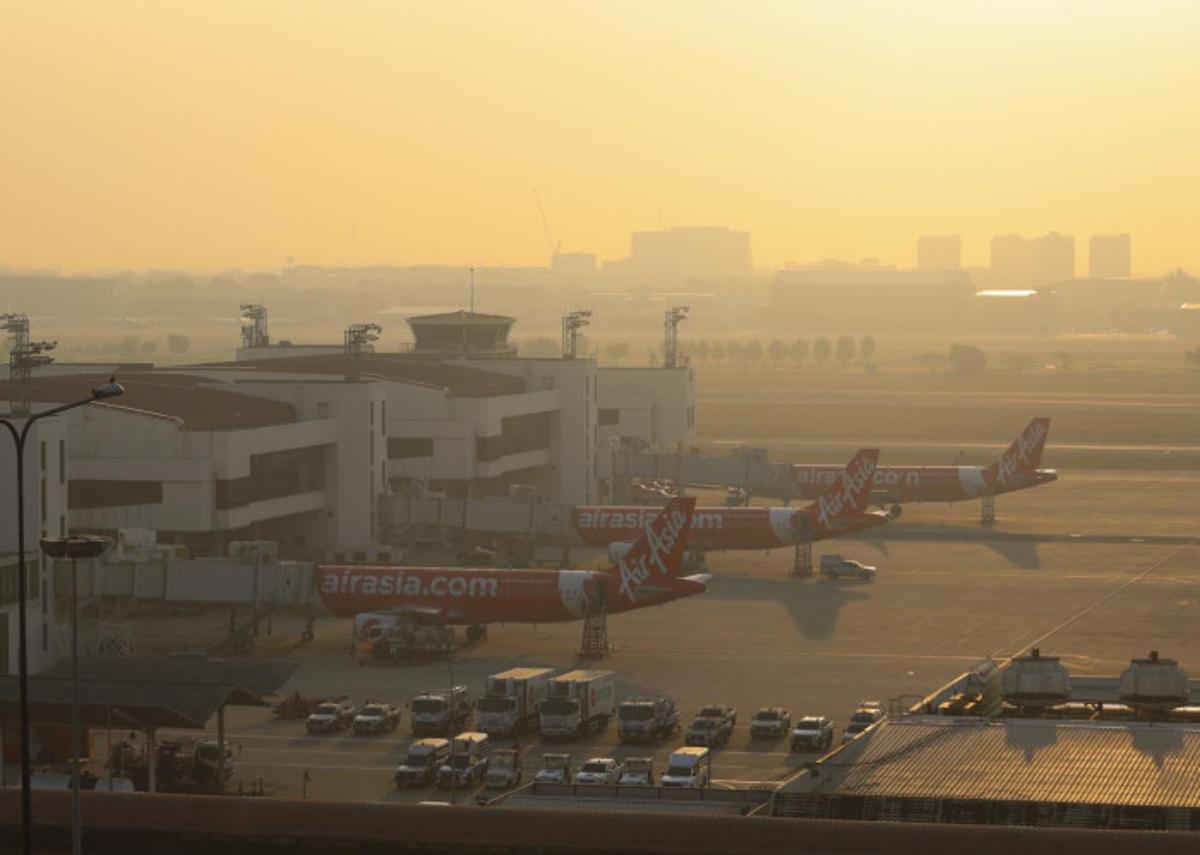
In Thailand, the timing is especially painful. The country’s peak travel season falls in the first and fourth quarters, leaving the April‑October window reliant on modest margins. With fuel costs doubling, routes that were previously profitable now generate losses, prompting AirAsia and other carriers to trim schedules by up to 15% for May. The downstream effect is evident at hubs like Phuket, where international departures fell 8% and overall movements slipped 4.8%, signaling a broader slowdown that could reverberate through tourism‑linked businesses.
Regulators are stepping in to mitigate the fallout. The Civil Aviation Authority of Thailand is negotiating reductions in jet‑fuel excise taxes, parking fees, and navigation charges to lower the cost base for airlines. Such measures aim to prevent a cascade of cancellations that would inflate ticket prices and suppress demand further. Meanwhile, airlines with newer, fuel‑efficient fleets—such as Vietjet Thailand’s 737 Max 8s—are better positioned to weather the storm, while older aircraft face potential parking or delayed deliveries. The industry’s resilience will hinge on a combination of policy support, fleet modernization, and the eventual de‑escalation of the Middle‑East conflict.
What the Gulf conflict means for airlines
Comments
Want to join the conversation?
Loading comments...