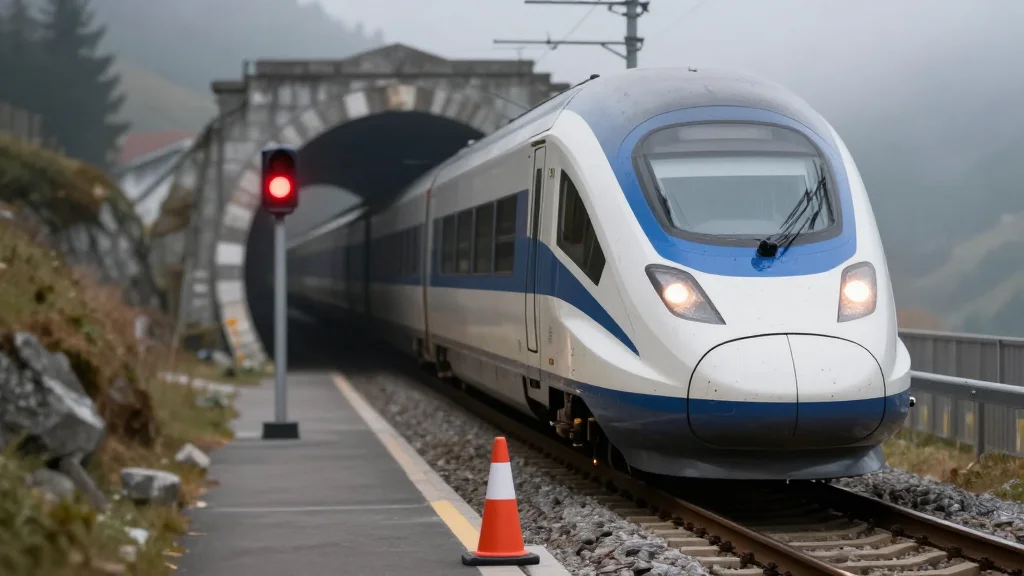
What To Know: Europe Train Travel In 2026 — Advisories, Disruptions, And How To Prepare
Why It Matters
These disruptions threaten the reliability of Europe’s rail network, a cornerstone for tourism and cross‑border commerce, prompting travelers and operators to adapt quickly. Proactive planning can preserve trip value and reduce economic fallout for the hospitality sector.
Key Takeaways
- •Italy railway unions strike April 11, causing nationwide disruptions
- •Belgium De Lijn bus and tram strike April 7‑10 disrupts Flanders
- •UK advises travelers to monitor Belgium strike updates for sudden changes
- •Flexible tickets and carrier apps recommended to pivot quickly during strikes
- •Alternative transport options—buses, cars—should be pre‑planned as backup
Pulse Analysis
Europe’s rail system has long been a magnet for tourists seeking seamless, scenic travel, but 2026 brings a convergence of labor actions and regulatory change that could erode that advantage. In Italy, the RFI infrastructure workers and COBAS affiliates have scheduled a full‑day strike on April 11, followed by a shorter nationwide walkout on April 13. The timing coincides with peak spring tourism, meaning hotels, tour operators, and local economies could see booking cancellations or reduced foot traffic if travelers cannot rely on train schedules. Belgium’s De Lijn strike earlier in the month further illustrates how regional transit can be abruptly halted, affecting major cities like Antwerp and Bruges that depend on public transport for visitor flow.
For the travel industry, the ripple effects extend beyond immediate inconvenience. The EU’s new Entry/Exit System, designed to streamline biometric border checks, adds another layer of complexity for tourists who must coordinate visa compliance with unpredictable transport windows. Agencies and online booking platforms are therefore incentivized to embed real‑time strike alerts and flexible rebooking policies into their offerings. By promoting carrier‑specific apps and encouraging travelers to store customer‑service contacts, operators can reduce support call volumes and maintain brand trust during disruptions.
Practical advice for travelers centers on redundancy. Booking tickets with change‑free clauses, mapping alternative bus or car routes, and staying tuned to official rail operator feeds can transform a potential crisis into a manageable detour. Moreover, leveraging multilingual social‑media monitoring tools helps decode local strike announcements quickly. As Europe’s rail network navigates these labor challenges, the ability to pivot will define both passenger satisfaction and the sector’s resilience in a year marked by heightened mobility expectations.
What To Know: Europe Train Travel In 2026 — Advisories, Disruptions, And How To Prepare
Comments
Want to join the conversation?
Loading comments...