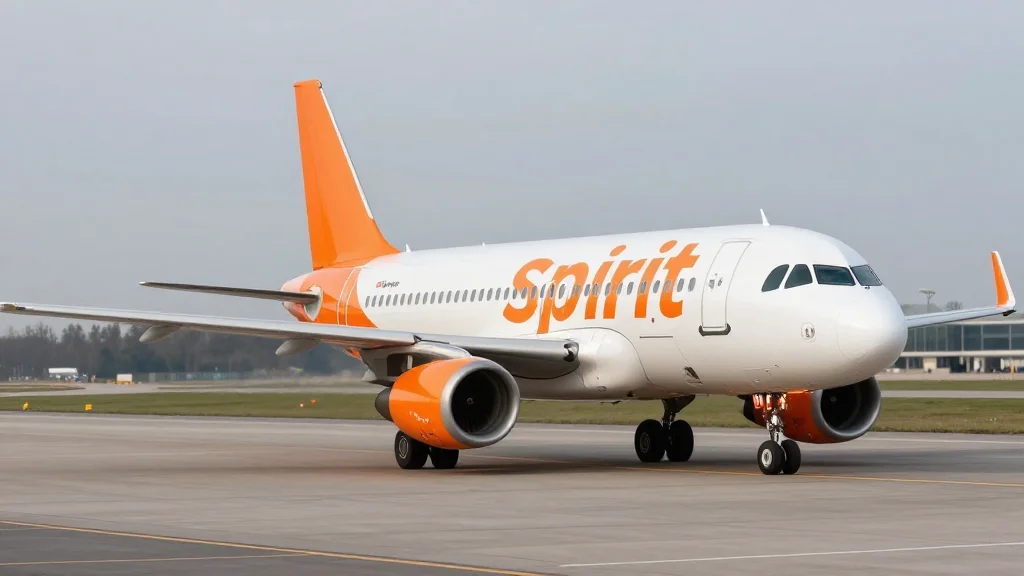
What You Need to Know About the Spirit Airlines Shutdown
Companies Mentioned
Why It Matters
Spirit's collapse threatens competition in the U.S. budget‑airline segment and could trigger price hikes as rivals absorb displaced demand. A federal rescue would set a precedent for government intervention in a market traditionally driven by private cost discipline.
Key Takeaways
- •Spirit's debt exceeds $2.8 billion, fueling bankruptcy risk
- •Federal bailout under discussion: $500 million proposed by administration
- •Liquidation could impact 12,000 workers and 18 million passengers
- •Antitrust block of JetBlue merger left Spirit without strategic partner
- •Ticket refunds will be processed through bankruptcy court, not automatic transfers
Pulse Analysis
Spirit Airlines’ downfall underscores the fragility of the ultra‑low‑cost model when external shocks converge. While the airline once thrived on stripped‑down fares, a perfect storm of record fuel prices, a $2.8 billion debt burden and intensifying competition from Frontier, Allegiant and legacy carriers’ basic‑economy cabins eroded margins. The aborted JetBlue merger removed a potential scale advantage, leaving Spirit with limited options and prompting a second bankruptcy filing in under two years. This scenario illustrates how leveraged growth strategies can become liabilities when market conditions shift dramatically.
The prospect of a $500 million federal bailout has ignited a partisan debate about the role of government in rescuing private carriers. Proponents argue that preserving Spirit maintains essential low‑fare options for price‑sensitive travelers, especially in high‑traffic leisure hubs like Florida, Nevada and Texas. Critics contend that subsidizing an airline with an unsustainable cost structure sets a risky precedent and could distort competition. Any aid would likely be tied to strict performance metrics, fleet rationalization and route consolidation, echoing past interventions in the airline industry.
For travel advisors and consumers, the immediate priority is navigating the refund process, which will flow through the bankruptcy court rather than automatic re‑booking. Advisors should advise clients to retain booking confirmations, file claims promptly, and explore travel‑insurance policies covering supplier defaults. In the longer term, the market may see modest fare increases as competitors absorb Spirit’s displaced demand, potentially reshaping pricing dynamics on short‑haul domestic routes. Monitoring the bailout outcome will be crucial for stakeholders assessing the future landscape of budget air travel in the United States.
What You Need to Know About the Spirit Airlines Shutdown
Comments
Want to join the conversation?
Loading comments...